

Merative Zelta alternatives for studies where the participant experience matters as much as the database
Zelta, Merative's clinical trial platform (formerly Merative Clinical Development and IBM Clinical Development), is a unified EDC and data management system with ePRO, eConsent and RTSM built in. If your study needs a branded app participants keep using, native wearable data, education and engagement your own team can configure, WeGuide is built for that. And if Zelta is the right fit for your trial, we'll say so.
No pressure, no hard sell. A 30 minute walkthrough with a research colleague who's built platforms like yours.


Where WeGuide differs
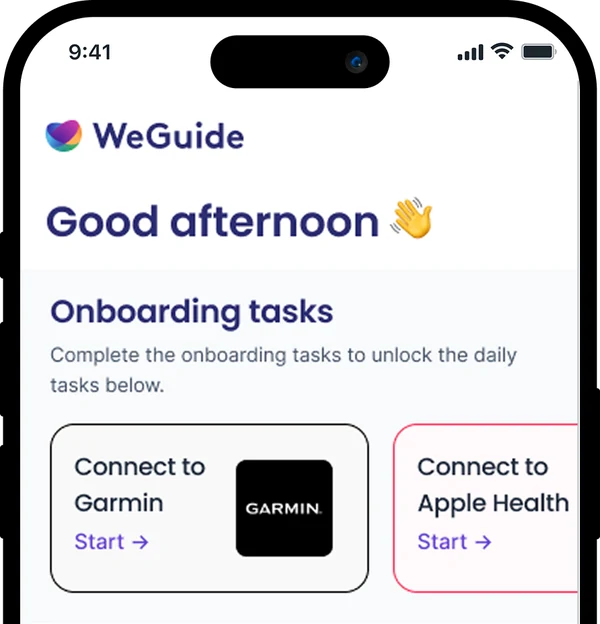
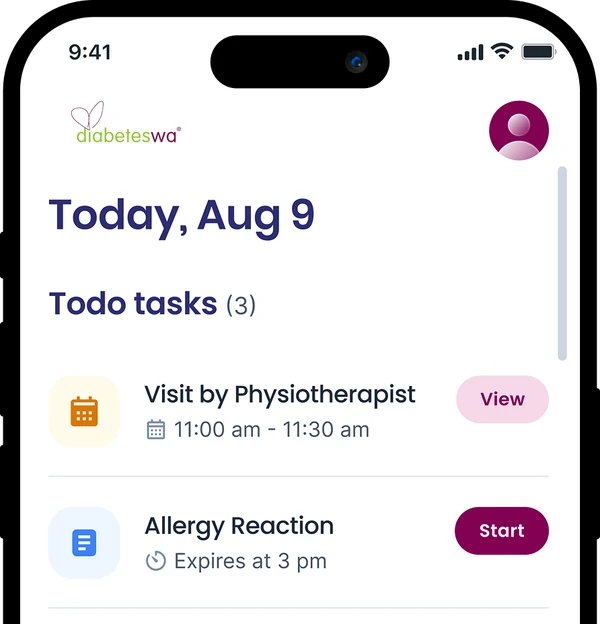
Whitelabel participant apps under your brand
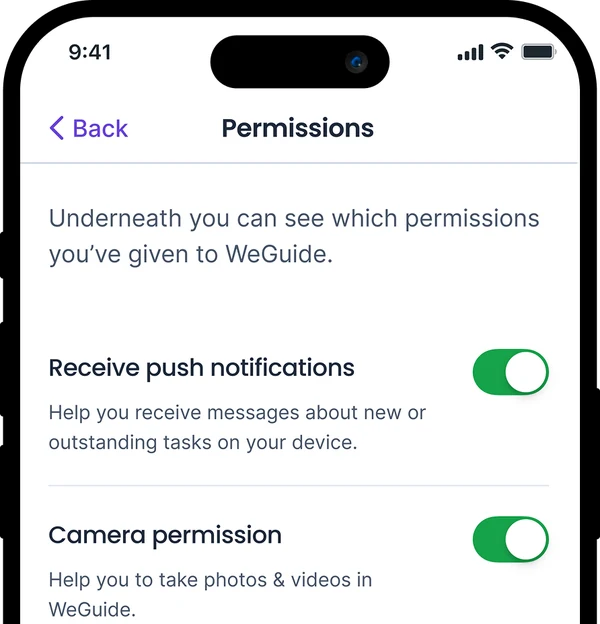
Engagement and education between assessments
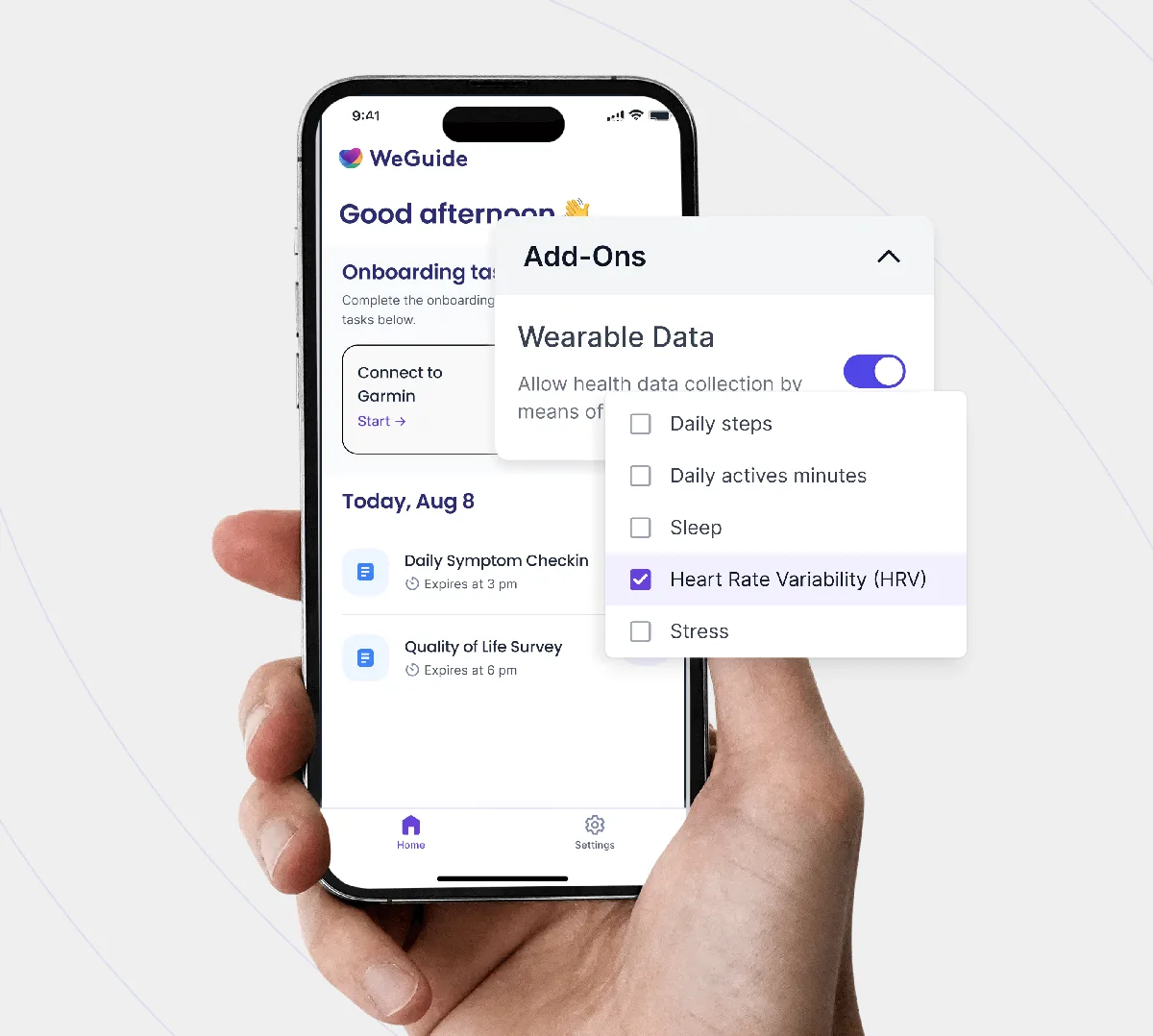
Wearables, next to the EDC you already run
Used by leading research and medical institutes.


Why research teams look for a Merative Zelta alternative
The short version
Zelta is Merative's clinical trials business: a cloud based clinical data management platform built around EDC, with eCOA and ePRO, eConsent, randomisation and trial supply management, medical coding and endpoint adjudication as modules, plus study build, advisory and support services. Merative says Zelta has hosted more than 4,500 clinical studies, including over 500 Phase III trials, for biopharma, medical device, CRO and university teams.
Why teams look elsewhere
The questions usually start on the participant side. Zelta's eCOA and ePRO module lives inside the EDC, and Merative describes participants reaching it through a browser or on iOS and Android devices, with real time notifications, multilingual support and single sign on to eConsent. That's an efficient design for data managers, because the data is already in the database. Teams whose study depends on participants staying active for months, such as a registry, a long term follow up or a decentralised study, often want more than that: an app under their own brand, wearable data collected automatically, education content and messages between visits. Zelta's public pages don't describe a whitelabel app, wearable integration or patient education inside the study.
The other pattern is about scope. Zelta is a full clinical data management system, sold as modules you choose per study or per portfolio. If you need EDC, RTSM, coding and adjudication from one vendor, that breadth is the point. If your team already captures site data in REDCap, Castor or Medidata Rave and is really looking for the participant layer, a new data management system is a bigger change than the problem needs.
WeGuide is a participant platform. We put eCOA and ePRO, eScreening, eConsent, wearables, telehealth and engagement into one whitelabel app that your team configures with a no code Program Builder, and we connect it to the data capture system you already run. The two products solve different problems, and this page is an honest attempt to show which is which.
A simple test helps. If the main deliverable of your study is a clean, locked trial database with randomisation, supply and coding handled in one system, Zelta was designed for that job. If the main deliverable is a participant relationship, where consent, questionnaires, wearable data, education and contact with the study team all have to work together under your name, WeGuide was designed for that one.
For hospitals, clinics and health plans looking at Merative for patient engagement or education, the relevant Merative product is a different one: Micromedex CareNotes, a library of patient education documents for care settings. It's content rather than a patient app. WeGuide's patient education module delivers your own materials on a schedule inside a branded app and shows who has read them. The FAQs below cover both products.
Key differences between WeGuide and Merative Zelta
For teams that like Zelta's single data platform but need a richer participant experience, here's what changes when you choose WeGuide.
Whitelabel participant apps under your brand
Engagement and education between assessments
Wearables, next to the EDC you already run
Full comparison: WeGuide vs Merative Zelta
Top alternatives to Merative Zelta in 2026
Here's the shortlist most teams evaluate alongside Zelta, or instead of it when the study needs a different mix of data management, participant experience and services. Each one has a different sweet spot.


Where WeGuide goes further
For teams that want the participant side of a study in one platform, here's what changes when you move to WeGuide.

Whitelabel apps participants recognise
WeGuide ships native iOS and Android apps fully branded under your organisation's name and identity, published under your own App Store account or through the existing WeGuide app. The app becomes the home of the study, the registry or the programme, which matters most when you need participants to stay with you for months or years rather than for a visit schedule.

Engagement built for retention
Push notifications, in app messaging, scheduling, patient education content and gamification are part of the platform, not an add on to a questionnaire schedule. That's what patient engagement software means to us, and it's how we approach patient retention in clinical trials: give participants a reason to open the app on days when nothing is due.

Native consumer wearables
WeGuide has a native Garmin integration and reads Apple Health and Health Connect, and Fitbit Air is supported. Participants connect their device once in the app and data syncs into the study, with no separate wearable vendor to procure for activity, sleep or heart rate data. On supported Garmin models, WeGuide also collects raw accelerometer and gyroscope data at 25 Hz.

eScreening and eConsent in the same app
Screening, consent and ongoing data collection happen in one place. eConsent includes version control, re-consent tracking and an audit trail, and supports legally authorised representatives and multiple signatories, so protocol amendments reach every participant without a paper chase.

Patient education inside the programme
Education content runs through the same Program Builder as questionnaires, so materials reach participants at the right point in the study or care pathway. Your team can see who has read them and who has completed educational tasks, and follow up with the people who need more support. See how patient education works in WeGuide.

Built for registries and longitudinal cohorts
WeGuide runs the FSHD Global registry and supports Generation Victoria (GenV), a whole of state birth cohort in Victoria. If your programme continues after the trial, or was never a trial in the first place, the same platform carries it. Read how to set up a patient registry on WeGuide.

Works with your EDC instead of replacing it
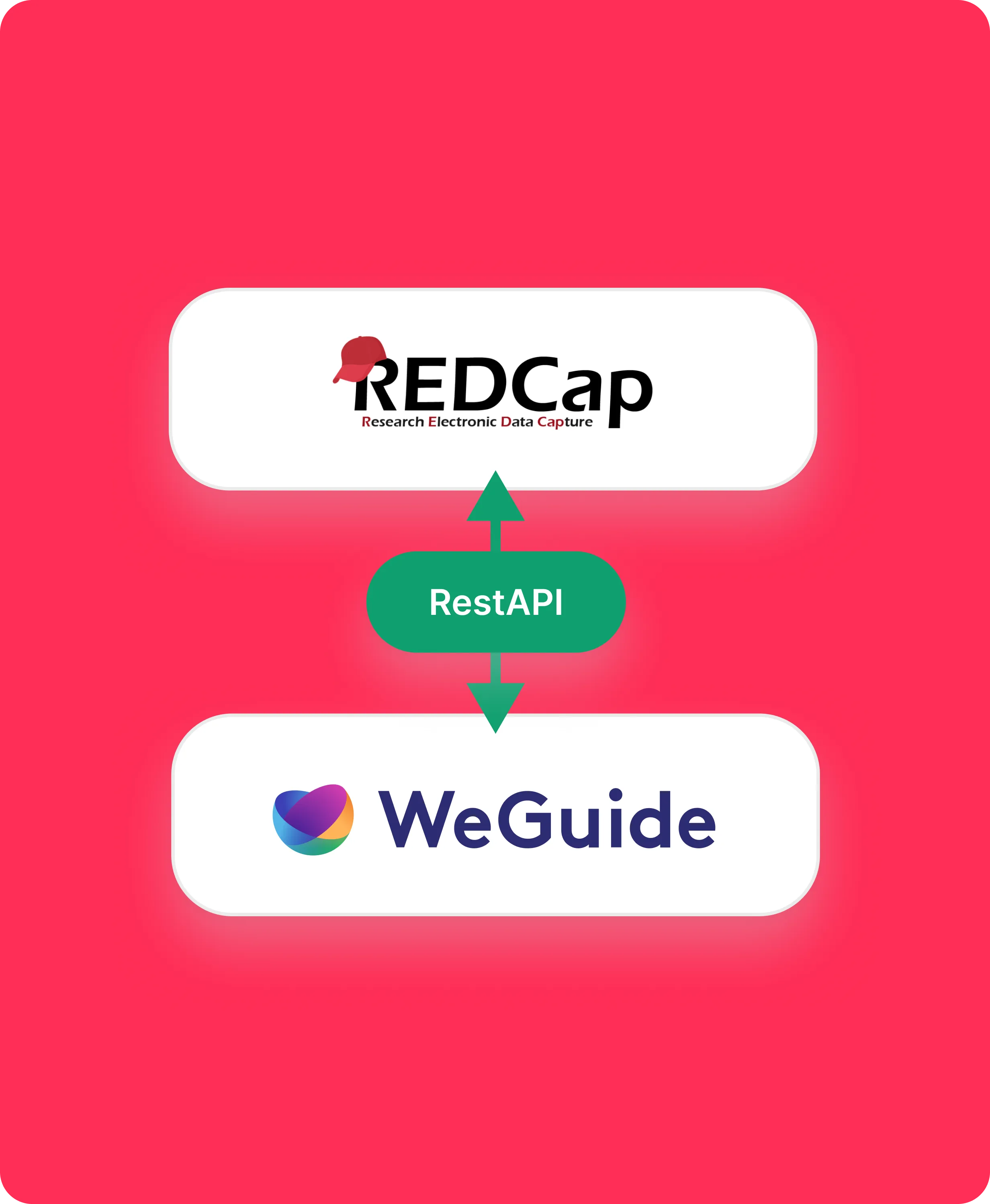
The Integration Engine connects to REDCap through the REDCap API and also connects to Castor and Medidata Rave. Teams keep the database they already validated and add a participant app on top, rather than migrating everything to a new data management system at once.
Telehealth inside the participant app
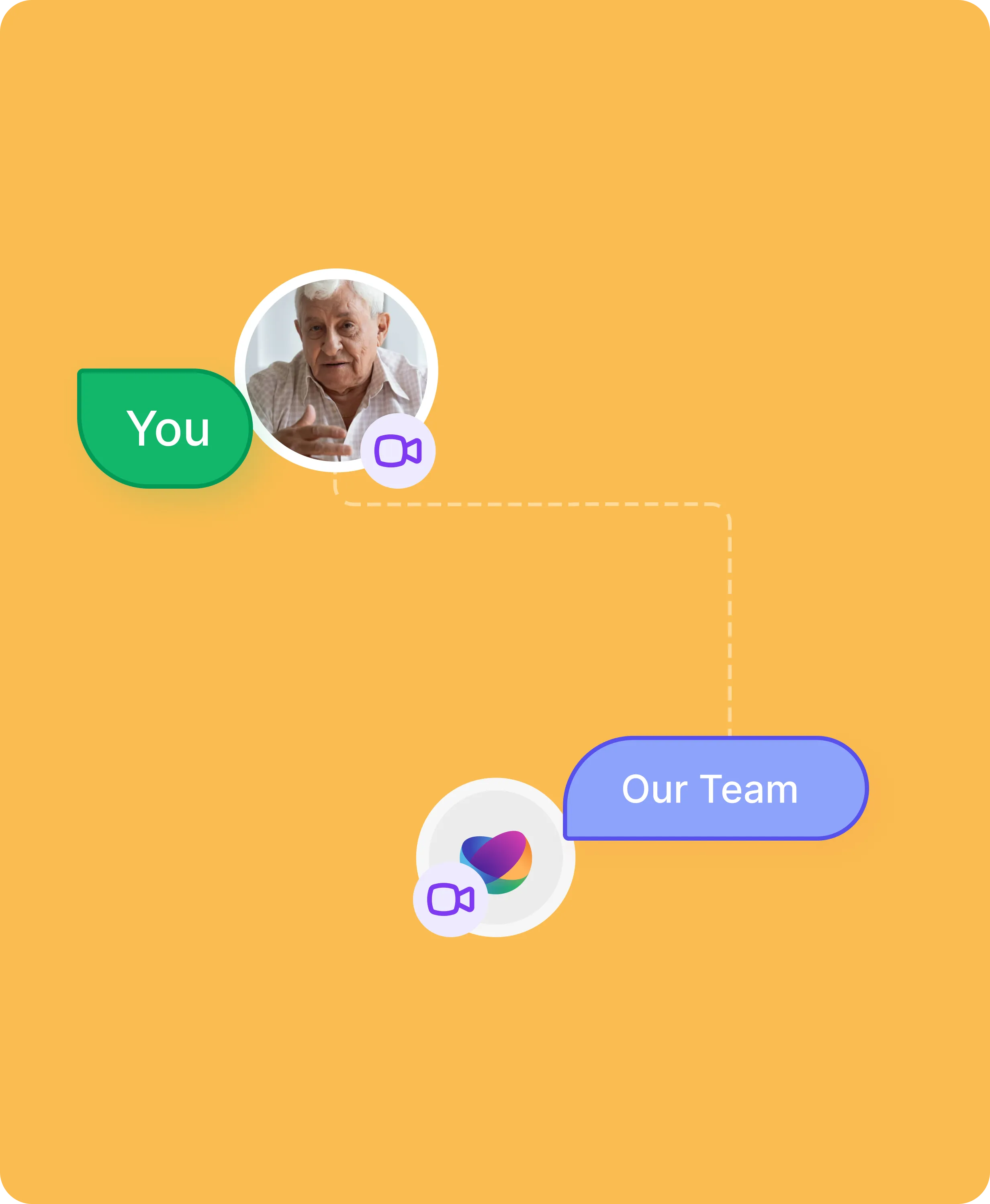
Televisits run inside the same whitelabel app participants already use for consent and questionnaires, which supports hybrid designs where some visits happen in clinic and others from home. More on telehealth in WeGuide.
Compliance your procurement team can check
WeGuide is ISO 27001:2022 certified, supports HIPAA (BAA on request), GDPR and FDA 21 CFR Part 11 requirements, and is included in the Australian Register of Therapeutic Goods as Class I medical device software (ARTG 355337). Participant data is hosted in Australian data centres, encrypted. Multilingual studies use built in translation management, as on the INHERIT study. See multilingual support.
Built for regulated research
Every WeGuide study runs on our managed infrastructure. Your IT team doesn't patch servers, manage backups, or run disaster recovery drills.

TGA Registered

ISO 27001

Data Hosted in Australia

GDPR Compliant
Biometric Security

256-bit AES Encryption
Where Zelta genuinely excels
One platform for the trial database. EDC, query management, monitoring, reporting, local labs, medical coding, endpoint adjudication, RTSM and eLearning sit on one code base with single sign on. Merative says Zelta has hosted more than 4,500 clinical studies across all phases, including over 500 Phase III trials in 23 therapeutic areas. WeGuide is not an EDC or a clinical data management system.
Data managers in control. A no code, point and click study designer, reusable study objects from earlier trials or Zelta's library, and automatic design validation let teams build studies in house. Merative says mid study updates can deploy with under 30 minutes of data entry lock, and one published customer, Alira Health, describes building its first Zelta study in two weeks.
Randomisation and supply in the same system. Zelta's RTSM includes a predictive resupply algorithm and runs from the same platform as the EDC. WeGuide has a separate randomisation tool, but no trial supply management.
Practical AI with a track record. Medical coding with AI for MedDRA and WHODrug, which Merative says cuts manual coding searches by more than half, and supervised machine learning for CDASH annotation of CRFs. Its stated approach is to let the use case decide, rather than putting large language models into every workflow.
Scale, security and support. More than 70 languages and dialects across more than 100 countries, a HIPAA enabled cloud, ISO 27001:2022 alongside four other ISO standards, stated 21 CFR Part 11 compliance and 24/7/365 support. Merative says all of the top 20 pharma companies have used Zelta, and Everest Group named it a Leader in its 2024 EDC Products PEAK Matrix.
Registries on an EDC. In March 2026 Zelta's services team won the ACDM award for Team Excellence in the Management of Clinical Data, after migrating 12 registry studies for a global CRO into Zelta in nine months. If your registry is mainly site entered data, an EDC led platform can carry it.
If your trial needs a validated EDC with RTSM, coding and data management services from one vendor, Zelta is a strong choice. We'd rather tell you that than pitch WeGuide into a study where it doesn't belong.
When WeGuide and Zelta can work together
Two eCOA specialists rarely belong in the same trial. An EDC led platform and a participant app can, because they do different jobs. Zelta can hold the site entered trial database, randomisation and coding, while WeGuide runs the participant side: the branded app, eConsent, questionnaires, wearables, education and reminders. Merative lists a point and click data integration tool and APIs for third party systems, and WeGuide's Integration Engine already exchanges data with external EDCs such as REDCap. Data flow between the two would be scoped project by project.
Across a research programme the split is simpler still. A sponsor can keep Zelta for its regulated trials while a patient registry, prescreening or long term follow up runs in WeGuide. The one thing we'd avoid is giving participants two apps for the same set of questionnaires.
How the switch works
For teams weighing Zelta against WeGuide, or planning the participant side of their next study on a different platform, here's how onboarding typically plays out.
Discovery Call
A 30 minute conversation with one of our research delivery team. We look at your protocol, your instruments, your EDC and how participants will take part. If your study needs RTSM, medical coding or a full clinical data management system from one vendor, we'll tell you Zelta or another EDC suite is the better fit.
Study Configuration
Our team works alongside yours to configure the study in WeGuide's Program Builder: instruments from our library of validated instruments, forms in the Medical Form Builder, eConsent, schedules, education and engagement content. If you're keeping REDCap, Castor or Medidata Rave, we connect the Integration Engine at this stage. Typical timeline: two to four weeks.
Participant Onboarding
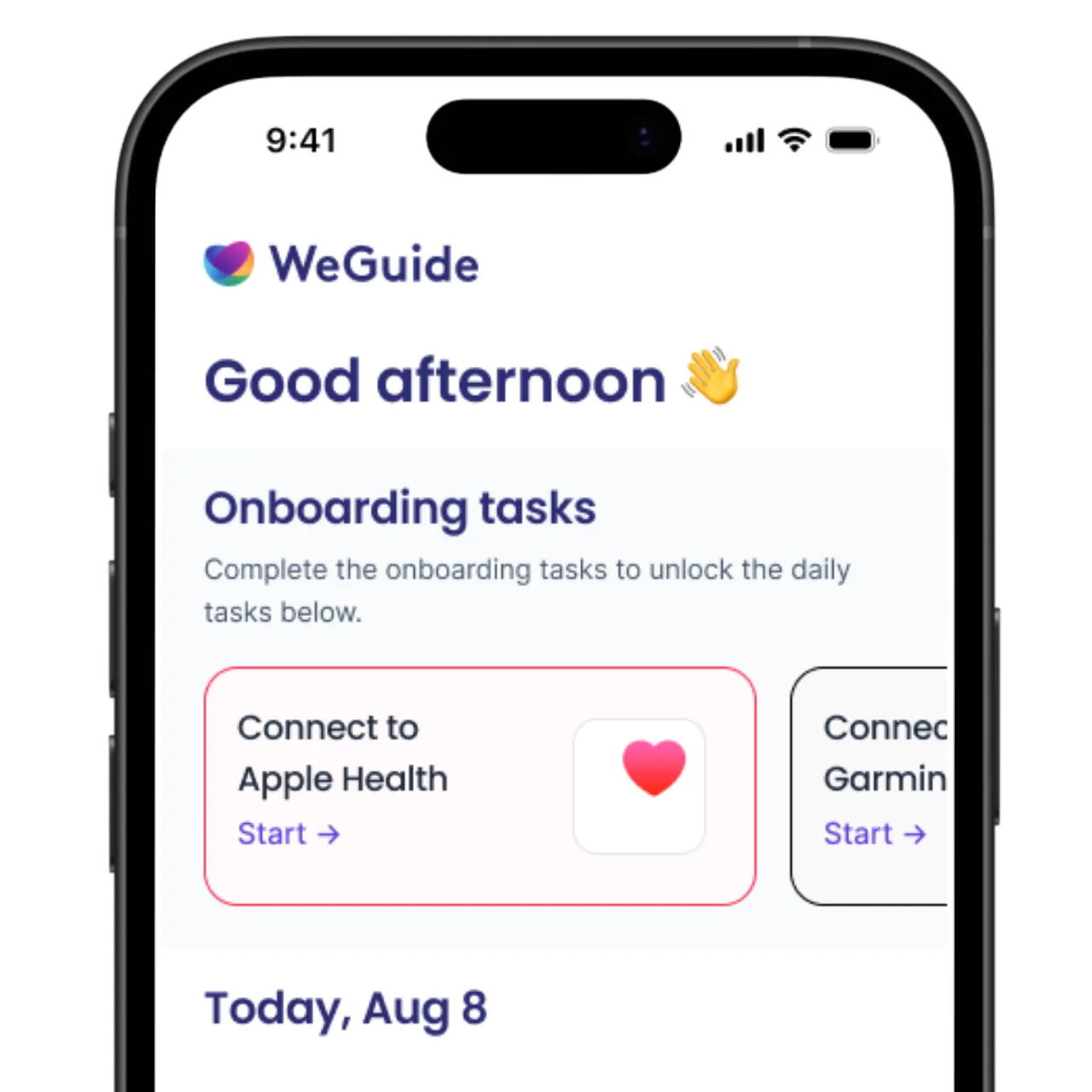
The whitelabel app goes live. Your coordinators invite participants, who download the app under your organisation's brand and move through screening, consent and their first assessments in one place.
Ongoing Support
You get a named delivery contact, not a ticketing queue. We stay involved for the life of the study, including protocol amendments and re-consent.
Case studies: research teams that added a participant app to their data capture
BRACE Trial (Murdoch Children's Research Institute)
In the BRACE trial led by Murdoch Children's Research Institute, more than 6,800 healthcare workers in five countries logged daily symptoms in the WeGuide app, with data flowing into REDCap, and adherence was above 90%. It's the pattern many teams evaluating Zelta are after: engagement on the participant's phone, structured data in the EDC. Read the BRACE case study.
GenV (Generation Victoria)
Generation Victoria (GenV) is a whole of state longitudinal birth cohort in Victoria, Australia, and WeGuide supports it. A cohort followed over years needs an app families keep on their phones and a platform built for longitudinal participation, which sits outside a trial database model.
FSHD Global
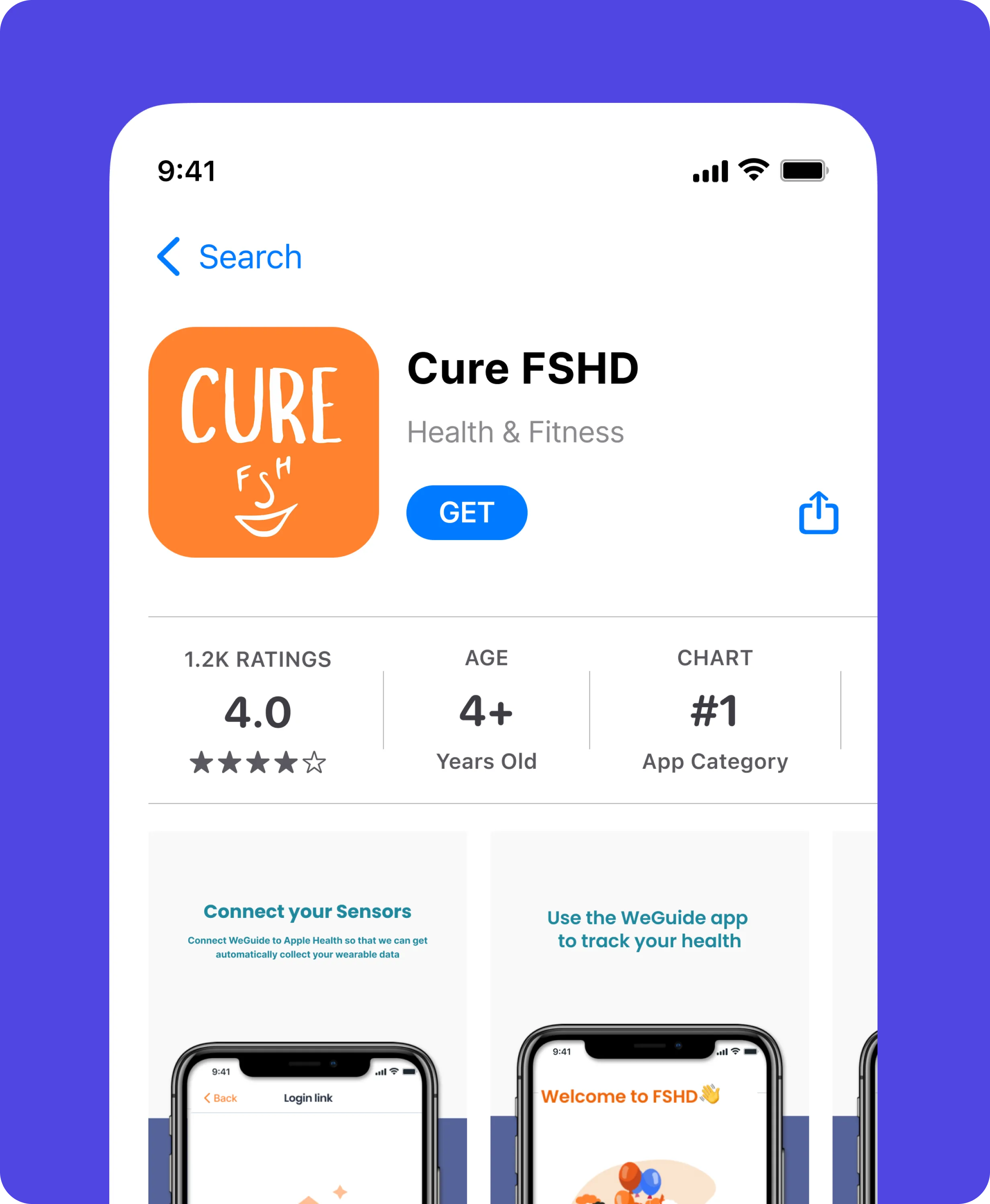
FSHD Global runs a longitudinal patient registry for facioscapulohumeral muscular dystrophy on WeGuide, combining patient reported outcomes with wearable integration. It is the kind of programme that continues for years, with no single trial schedule to anchor it.


Questions
Straight answers on how WeGuide compares to Merative Zelta, how the two can work together, and when Zelta is the right call.
Contact usWhat is Merative Zelta?
Zelta is the clinical trials business of Merative, the Ann Arbor, Michigan company formed from IBM Watson Health assets and owned by Francisco Partners since June 2022. It includes a cloud based clinical data management and acquisition platform, built around EDC with modules for eCOA and ePRO, eConsent, RTSM, medical coding and more, plus advisory, enablement and study build services. The platform was called Merative Clinical Development until Merative renamed it Zelta in May 2023, and before that IBM Clinical Development. Its history goes back to Merge Healthcare's eClinical business, which became part of IBM when IBM bought Merge in 2015. Brian Irwin became Zelta's EVP and General Manager on 7 September 2026.
What are the best alternatives to Merative Zelta?
It depends on why you're looking. For a participant platform that adds a whitelabel app, eConsent, wearables, education and engagement to the EDC you already run, WeGuide. For an enterprise EDC and operations platform, Medidata or Oracle Clinical One. For a like for like EDC suite with eCOA, eConsent and RTSM for small and mid sized teams, Medrio or Viedoc. For deep EDC with an open source heritage at mid market pricing, OpenClinica.
How is WeGuide different from Merative Zelta?
Zelta is a clinical data management platform: the trial database comes first, and ePRO and eConsent are modules inside the EDC. WeGuide is a participant platform: the app comes first, with eCOA and ePRO, eScreening, eConsent, wearables, telehealth, education and engagement under your brand, configured with a no code Program Builder. Zelta is stronger on EDC, RTSM, medical coding, adjudication and data management services. WeGuide is stronger on the branded participant experience, wearables and long running programmes such as registries and cohorts. Our guide to CTMS vs EDC explains what each kind of system is for.
Does Merative offer patient engagement and patient education software?
Partly, through two different products. Inside clinical trials, Zelta's eCOA and ePRO module engages participants with real time notifications, multilingual support, forms they can save and finish later, and single sign on to eConsent. In care settings, Micromedex CareNotes provides more than 3,000 patient education titles in up to 15 languages, which clinicians can customise, print, send to patient portals or upload to the EHR. Merative's public pages don't describe either one as a branded patient app that brings wearables, messaging and education together. If that's what you're evaluating, our guide to the best patient engagement software compares the options for trials, hospitals and health plans.
How much does WeGuide cost compared with Merative Zelta?
WeGuide pricing is project based, with all modules included in the core licence, and quoted on request. Zelta doesn't publish prices. Merative says its modules are sold individually, paid per study as you use them or set up as a standard configuration across a portfolio. The fairest comparison is a quote from each vendor against the same protocol.
Can we use WeGuide and Zelta together?
Yes, because they do different jobs. Zelta can hold the site entered trial database, randomisation and coding, while WeGuide runs consent, questionnaires, wearables and engagement on participants' phones. Data exchange would be scoped project by project through our Integration Engine and Zelta's integration tools. We'd recommend running the ePRO in one system only, so participants never answer the same questionnaire twice.
Should we switch from Zelta in the middle of a trial?
Usually not. Changing EDC or ePRO platforms during an active trial is a regulatory and data continuity decision as much as a software one. Most teams make the change at the next study, or add WeGuide for a registry or follow up stage once the trial closes. Our discovery call is the place to work through what that would involve for your protocol.
More comparisons
Compare WeGuide with other platforms
Honest, side by side comparisons, grouped by the kind of platform you are weighing up.





eCOA and ePRO





Decentralised trials





Wearables and digital health






Enterprise eClinical






Experience sampling

Site and recruitment

Browse all 31 comparisons
Filter by platform category on the comparisons hub.
Open the hub
See how WeGuide fits your study.
A 30 minute walkthrough with a research colleague, focused on your protocol, your participants and the tools you already run.
