

Clario (formerly ERT + Bioclinica) eCOA alternatives for 2026
Clario is unmatched for cardiac safety, medical imaging, and specialised respiratory endpoints. If you came looking for eCOA and those aren't your endpoints, you're paying for infrastructure you don't need. WeGuide gives you validated eCOA, eConsent, wearables, and a whitelabel participant app on one regulatory-grade platform, priced for the study you're actually running.
No pressure, no hard sell. A 30-minute walkthrough with a research colleague who's built platforms like yours.


Where WeGuide differs
Whitelabel participant mobile apps
BYOD first architecture
Patient engagement, not just endpoint capture
Used by leading research and medical institutes.


Why research teams look for a Clario alternative

The short version
Clario's product and commercial model are built around one thing: running specialised endpoint capture at pharma scale. Provisioned iPads and smartphones shipped to sites, validated devices for cardiac safety and spirometry, and an enterprise operational layer that manages all of it. For a Phase III cardiovascular safety study, that's exactly what you need.
Why teams look elsewhere
For teams that come to Clario through the eCOA door rather than the cardiac safety door, the conversation lands differently. Sponsors evaluating eCOA vendors often add Clario to their shortlist because of its eCOA category leadership, then discover the pricing reflects the full enterprise device logistics operation even if their study is a straightforward patient reported outcomes trial that could run BYOD on participants' own phones.
The other thing sponsors notice is product scope. Clario is deep in eCOA and specialised endpoints and intentionally narrow outside that. No patient registries. No employee wellbeing or population health programmes. No integrated telehealth. No whitelabel participant app built for engagement rather than endpoint capture. For studies that need eCOA as one ingredient in a broader patient engagement platform, Clario's specialisation becomes the constraint.
WeGuide takes a different approach. We're a patient engagement platform with eCOA built in, not an eCOA specialist with engagement bolted on. The two models serve different studies, and on this page we'll tell you honestly which is which.
Key differences between WeGuide and Clario
For teams evaluating Clario for eCOA where specialised endpoints aren't required, here's what changes when you move to WeGuide.
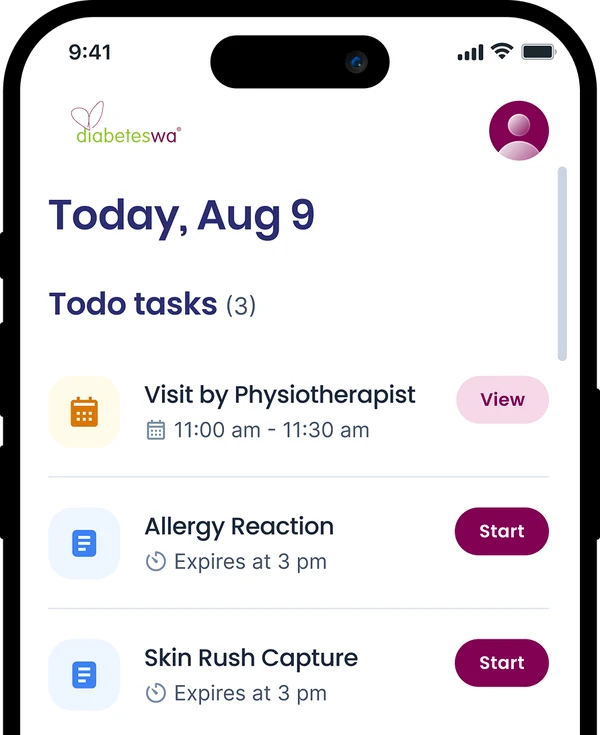
Whitelabel participant mobile apps
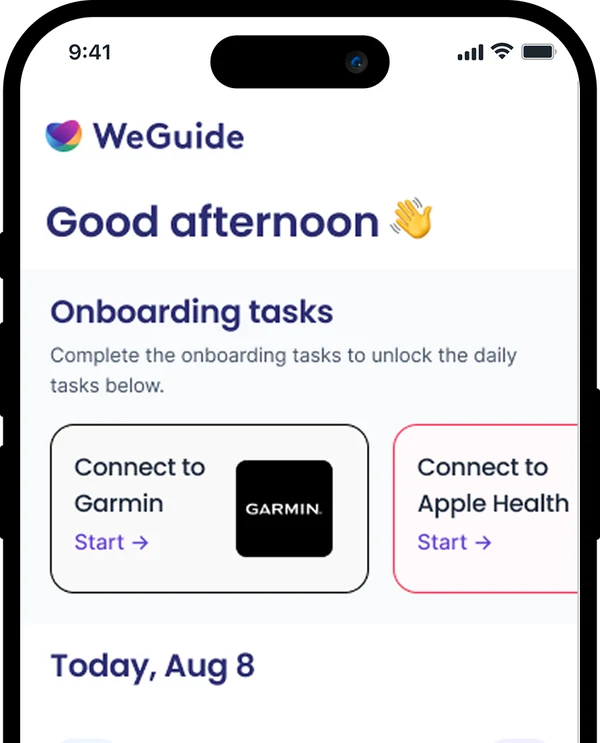
BYOD first architecture
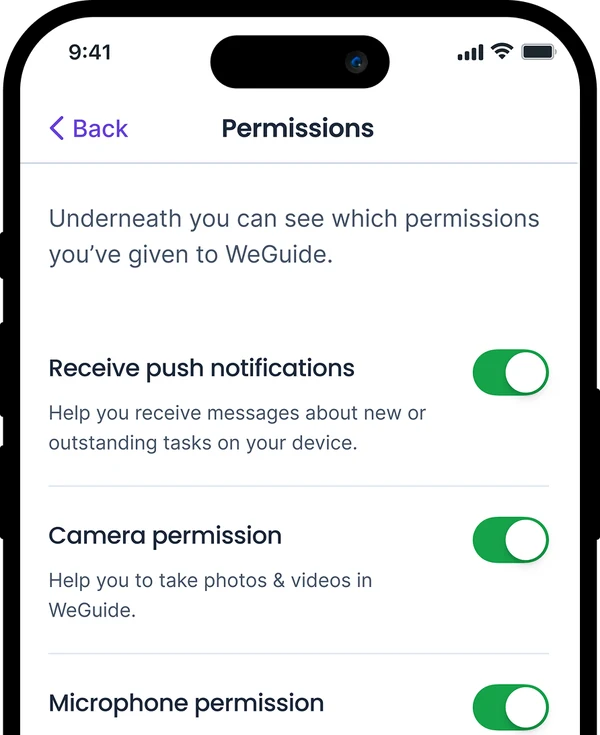
Patient engagement, not just endpoint capture
Full comparison: WeGuide vs Clario
Top alternatives to Clario in 2026
Here's the shortlist of platforms most teams evaluate when they're looking at Clario for eCOA, or when Clario's pricing and provisioned-device model don't fit.




Where WeGuide goes further
For teams that want the participant side of a study in one platform, here's what changes when you move to WeGuide.

Patient engagement, not just endpoint capture
Clario is built around capturing specific clinical endpoints. WeGuide is built around sustaining a long-term participant relationship. Push notifications, in-app messaging, educational content delivery, study companion, gamification, and a whitelabel app that participants actually open every day are how WeGuide sustains engagement. For eCOA to work, participants have to complete instruments on schedule. Engagement architecture is what makes that happen. See WeGuide's patient engagement platform →

Whitelabel mobile apps under your brand
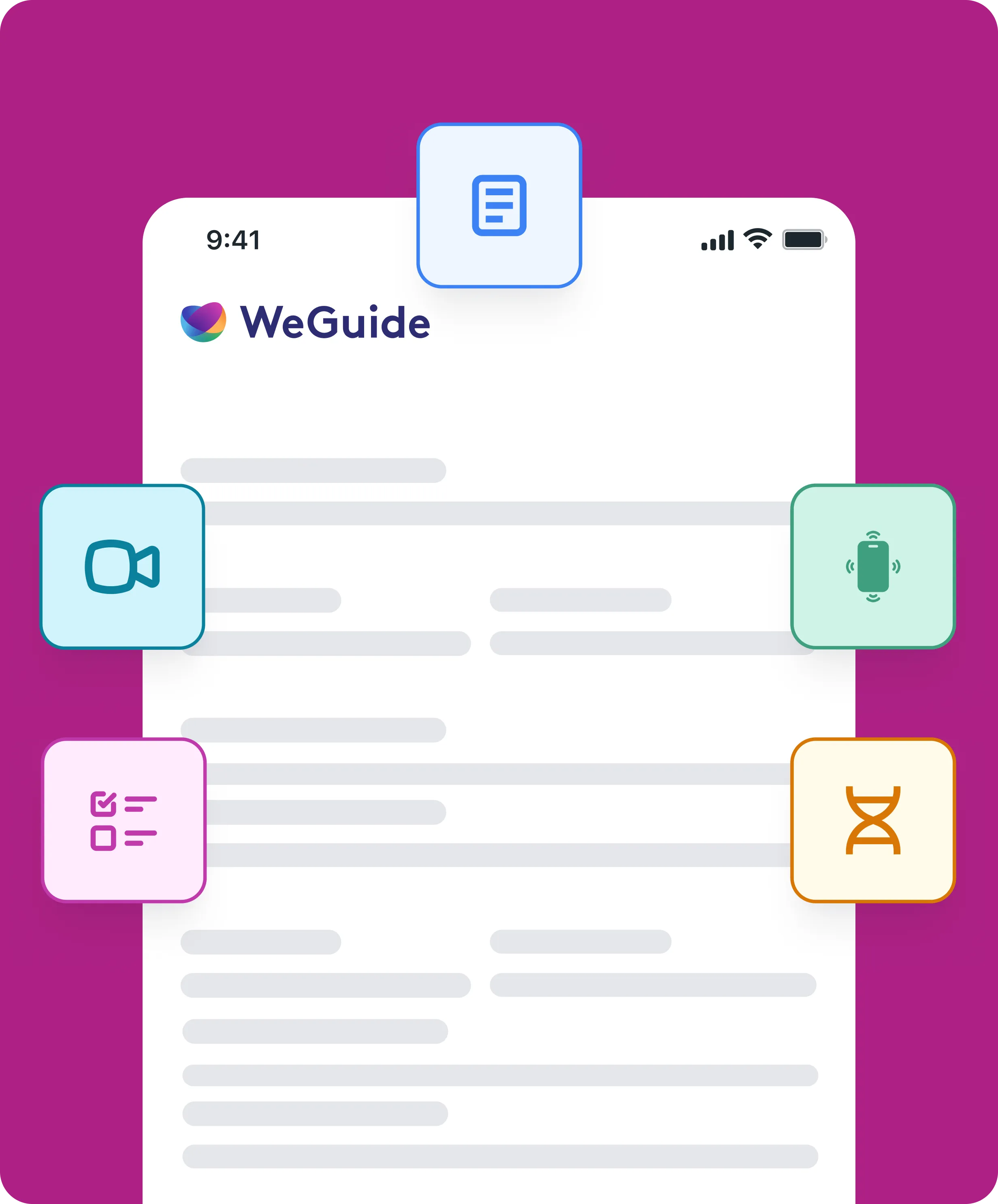
WeGuide ships native iOS and Android apps fully branded under your organisation's name and identity. The app becomes the home of the study for the participant. Clario's eCOA apps are configured through the Clario platform and sit within an enterprise weighted configuration model. For patient engagement programmes and sponsor branded studies, the branding difference changes the entire participant experience.

BYOD-first architecture
WeGuide runs on participants' own phones with native Apple Health, Health Connect, Fitbit Air, and Garmin integration. Provisioned devices are supported too, when a protocol needs them. Clario's provisioned device model is a strength for cardiac safety and validated respiratory endpoints where device control is part of the regulatory story. For general eCOA, BYOD is significantly cheaper and easier to scale. See supported wearable devices →

Built in patient registry capability
Clario doesn't offer a native patient registry platform. WeGuide does, and it's running GenV across about 124,000 Victorians as a multi-year population health registry. If you're running a registry alongside a trial, that's one fewer vendor to procure and integrate. See WeGuide's patient registry platform →

Employee wellbeing, population health, and citizen science
WeGuide is used for employee wellbeing programmes, multilingual community health studies (INHERIT), and paediatric cardiac monitoring (Beat2Beat). These use cases all sit outside Clario's eCOA focus.

No code programme builder for non-pharma research teams
Research teams configure studies directly in WeGuide through a no code programme builder. You don't need an enterprise implementation team. For academic research, mid market CROs, and investigator led studies that can't justify a full enterprise engagement, this removes the biggest hidden cost. See the Form Builder →

Integrated eConsent, telehealth, and analytics
eConsent with version control and re-consent workflows, built-in telehealth for virtual site visits, and integrated analytics all come with WeGuide in the core licence. With Clario, each of these would typically be a separate product module or a partner integration. See WeGuide's eConsent module →

Accessible pricing for mid market research
Clario is enterprise custom quoted, typically at pharma scale budgets. WeGuide is project based and scales to your study's actual complexity. For mid market sponsors and academic research evaluating eCOA vendors, WeGuide is typically significantly more accessible on both pricing and implementation model.
Built for regulated research
Every WeGuide study runs on our managed infrastructure. Your IT team doesn't patch servers, manage backups, or run disaster recovery drills.

TGA Registered

ISO 27001

Data Hosted in Australia

GDPR Compliant
Biometric Security

256-bit AES Encryption
Where Clario genuinely excels
Deepest eCOA specialisation in the market. The ERT and Bioclinica merger created the clear category leader in eCOA for pharma trials. Twenty years of validated instruments, FDA submission precedents, and clinical endpoint experience sits in Clario's platform. For sponsors whose primary question is "which vendor has the deepest eCOA track record", the honest answer is Clario.
Cardiac safety endpoints. ECG, Holter, and 12-lead cardiac monitoring run on Clario's infrastructure at global scale. If your protocol requires centralised cardiac safety reads for a pharma study, Clario is the specialised choice and there's no direct mid-market substitute. WeGuide does not offer cardiac safety capabilities. If you need them, Clario or a specialist cardiac core lab is where you should be looking.
Medical imaging endpoints. Central image reading, real-time imaging quality control, and radiology workflow for oncology, cardiovascular, and neurology trials. Again, this is Clario territory, and WeGuide does not replace it.
Respiratory spirometry and precision motion. Validated respiratory endpoint capture and accelerometry-based motion analysis for neurology, movement disorders, and pulmonology trials. Specialised capabilities that come from decades of Bioclinica and ERT investment in sensor science.
Provisioned device logistics at global scale. Clario ships and manages thousands of validated devices per trial. For protocols where the device itself is part of the regulatory evidence chain, the provisioned model is a genuine advantage. WeGuide's BYOD-first architecture is a different philosophy and not a direct substitute in studies that require provisioned device control.
20+ years of FDA submission history. Regulatory precedent matters. Clario-sourced eCOA data has been accepted in FDA submissions across hundreds of studies. That track record is an asset that newer platforms have to earn.
Topical authority in eCOA. Clario ranks #1 in Google for "ecoa clinical trials" for a reason. The company invests heavily in educational content, and the eCOA category leadership is reflected in both product and thought leadership.
If your study needs cardiac safety, medical imaging, respiratory endpoints, or specialised motion analysis, Clario is the right tool. We'd rather say that honestly and help you make the right decision than try to pitch WeGuide into a study where it doesn't belong.
WeGuide and Clario can coexist
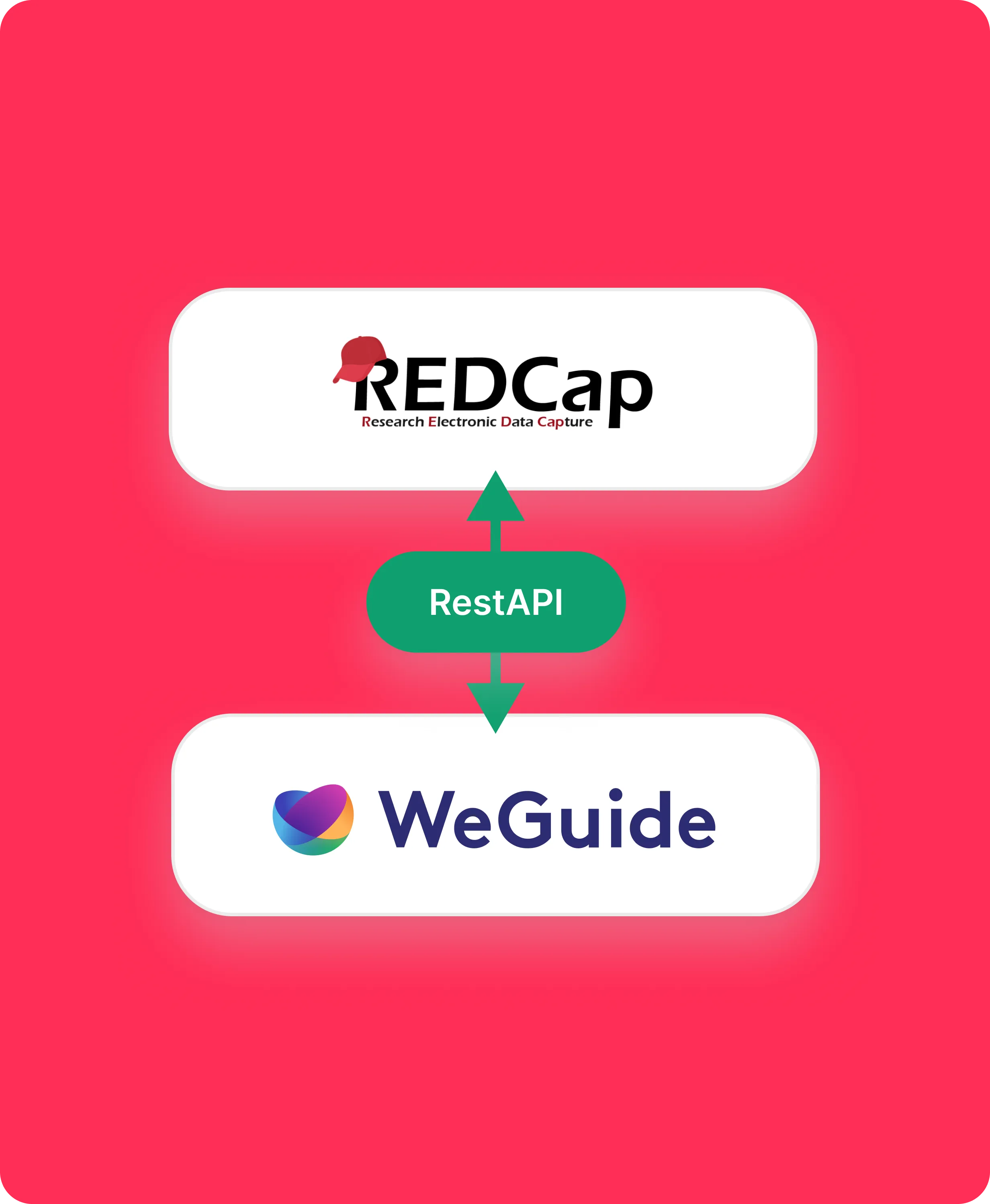
For studies that need both patient engagement and specialised Clario endpoints, the two platforms can run together. Our Integration Engine connects to Clario through APIs, so Clario handles cardiac safety, imaging, or respiratory endpoint capture while WeGuide runs the broader participant experience, eCOA, eConsent, and engagement layer. Hybrid architectures are common with teams who need both.
How the switch works
For teams that are evaluating Clario for eCOA and considering WeGuide instead, or for teams that want to run both, here's how onboarding typically plays out.
Discovery Call
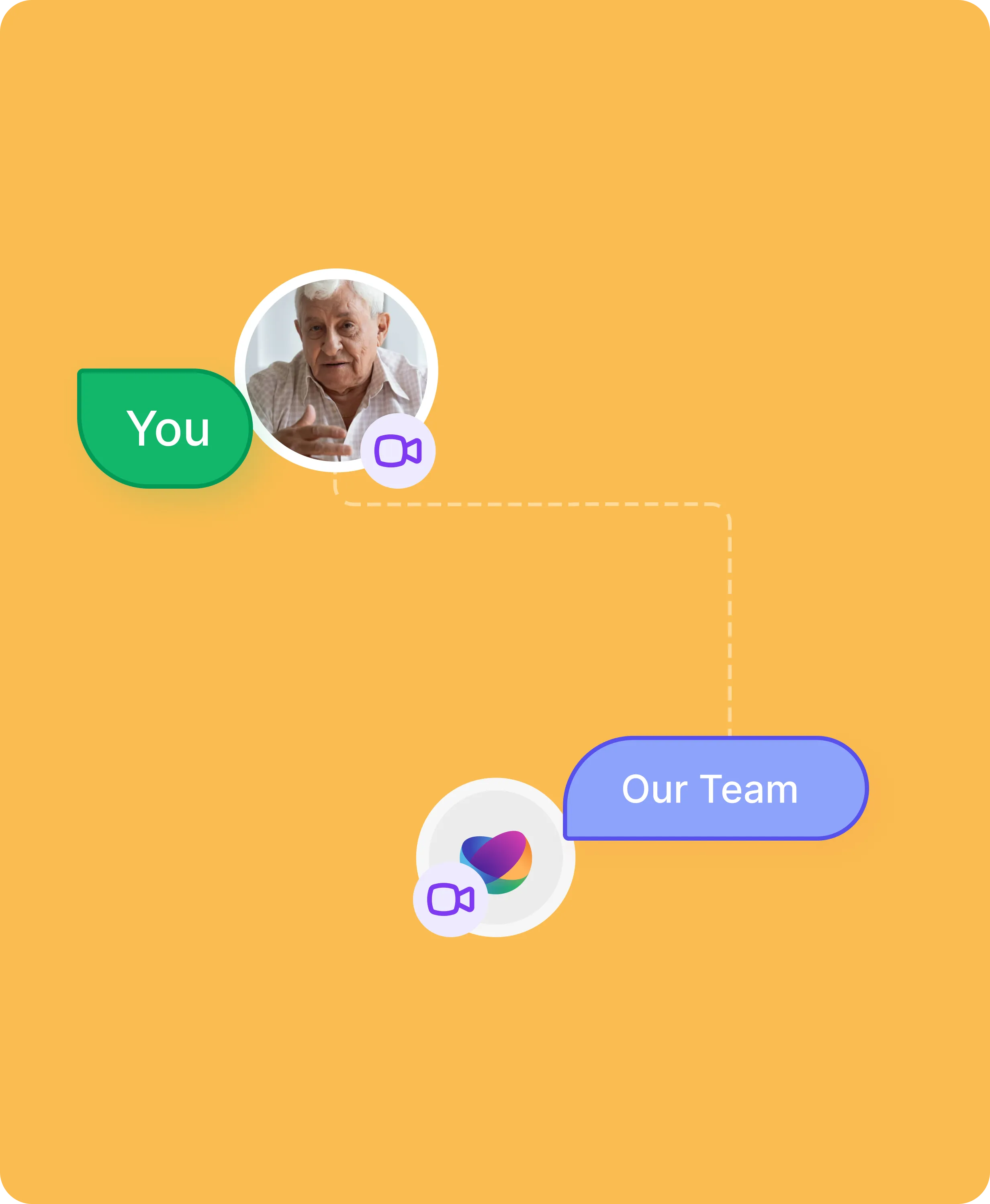
A 30-minute conversation with one of our research delivery team. We look at your protocol, your eCOA requirements, and which platform is actually the right fit. If your study needs cardiac safety or imaging, we'll tell you Clario is the right choice.
Study Configuration
Our team works alongside yours to configure the study in WeGuide. Typical timeline: two to four weeks.
Participant Onboarding
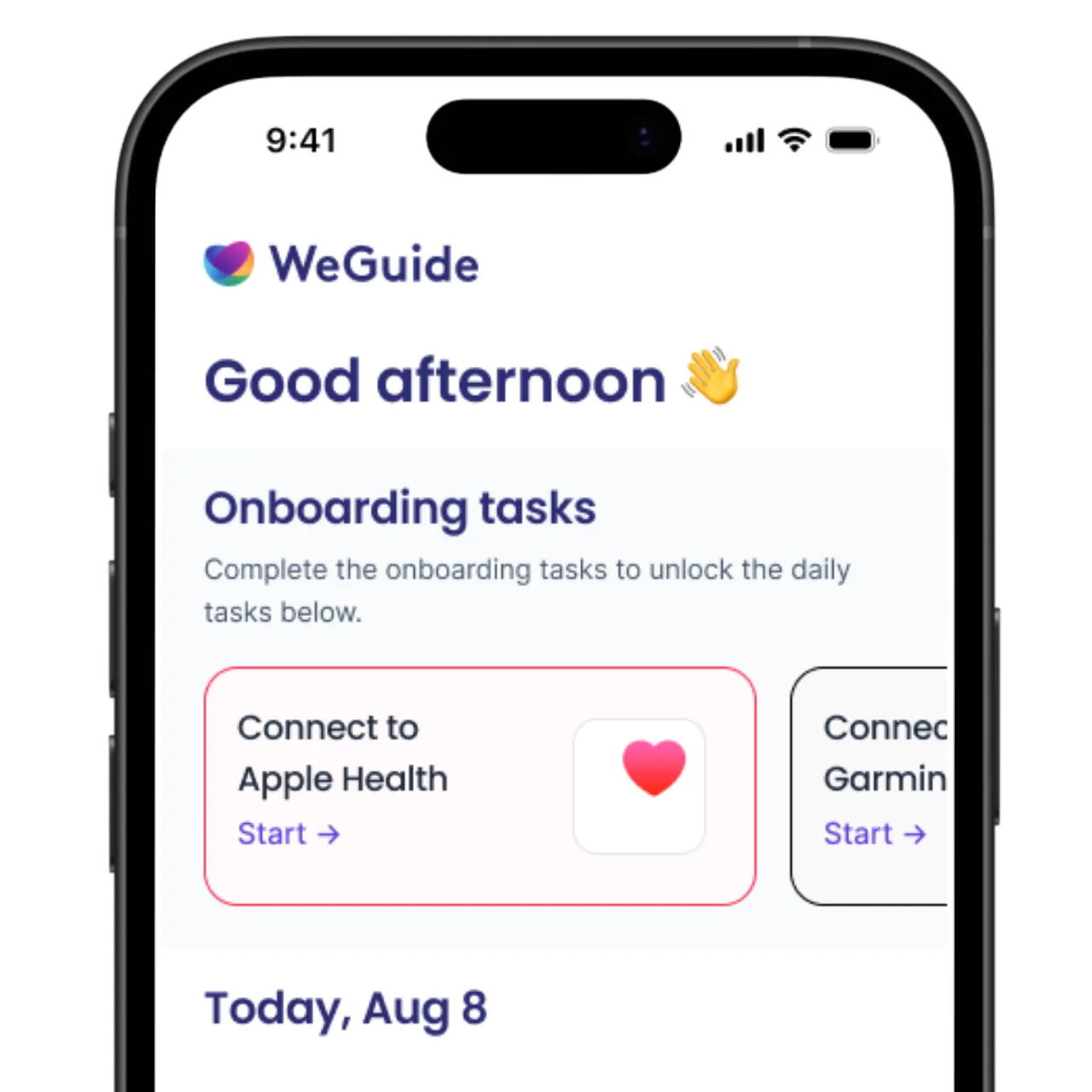
The whitelabel app goes live. Your research coordinators invite participants, who download the app under your organisation's brand. eCOA instruments, consent flows, and engagement templates are ready.
Ongoing Support
You get a named research delivery contact, not a ticketing queue. We stay involved for the life of the study.
Case studies: research teams that needed engagement led eCOA
BRACE Trial (Murdoch Children's Research Institute)
An international randomised controlled trial studying whether the BCG vaccine could reduce COVID-19 symptom severity in healthcare workers, run with Murdoch Children's Research Institute across several countries with thousands of participants. It was a hybrid trial, with in person vaccination and blood collection. eCOA instruments ran inside the BRACE whitelabel app alongside engagement content, not as a separate endpoint capture module.
GenV (Generation Victoria)
A population health registry following roughly 124,000 Victorians (about 50,000 children from birth and 74,000 parents). Longitudinal eCOA at registry scale, delivered through a family-facing whitelabel app that participants keep on their phones for years. Registry territory that sits entirely outside Clario's scope.
FSHD Global
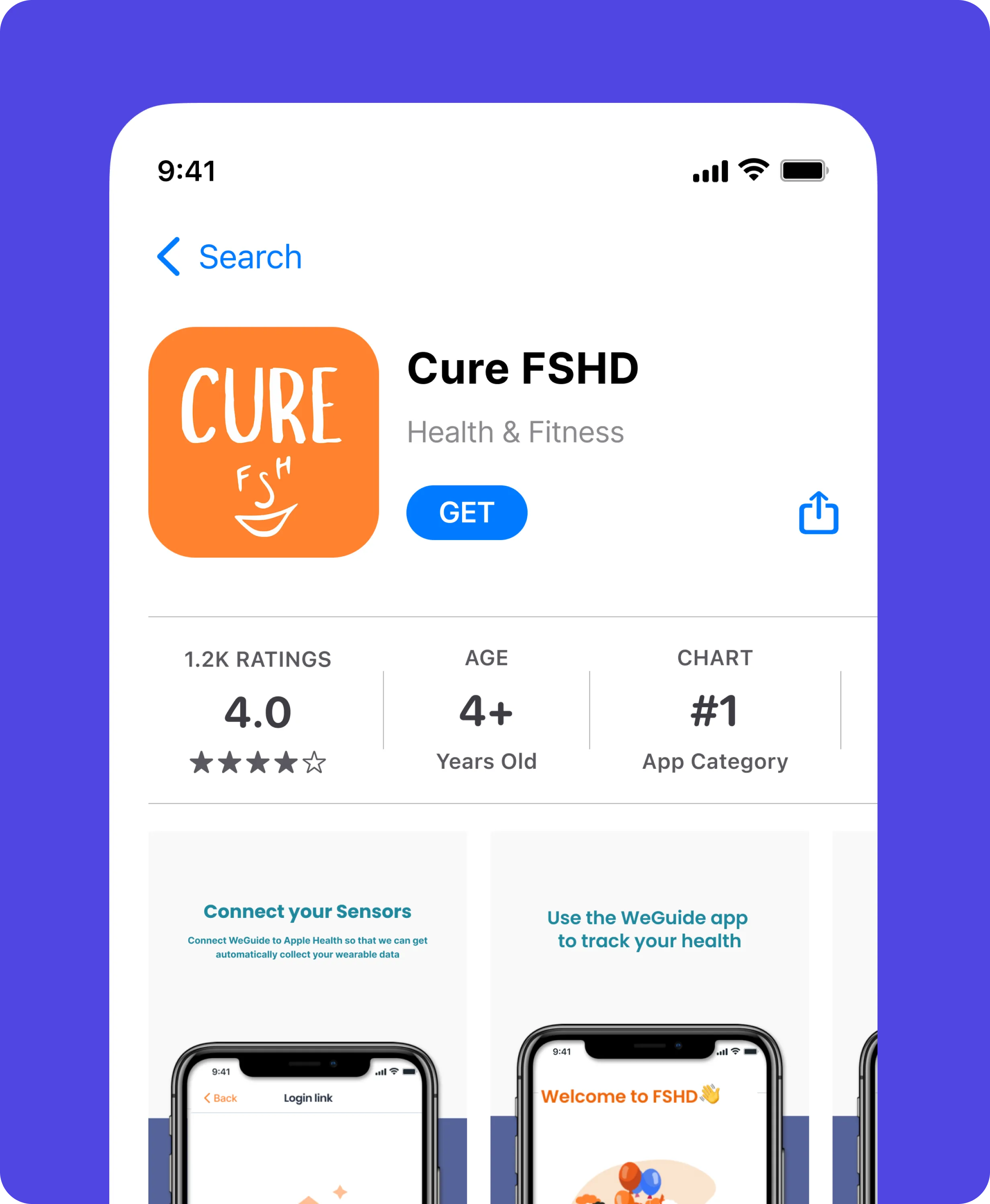
A longitudinal patient registry for facioscapulohumeral muscular dystrophy, combining patient reported outcomes with wearable integration. Participants report from home on their own phones, devices sync in the background, and the registry keeps a continuous picture of a rare disease over time instead of a snapshot at each clinic visit.


Questions
Straight answers on how WeGuide compares to Clario, what integration looks like, and when Clario is the right choice.
Contact usIs WeGuide a full replacement for Clario?
Honestly, no, and we're not going to pretend it is. For studies requiring cardiac safety, medical imaging, respiratory spirometry, or precision motion endpoints, Clario's specialised capabilities are genuinely irreplaceable and we'll tell you that upfront. WeGuide is the right choice when you need eCOA combined with patient engagement, eConsent, telehealth, registries, or wearables in a single platform, and when your protocol doesn't require specialised endpoint capture. If your study needs both, hybrid setups work well through our Integration Engine.
Does WeGuide offer provisioned devices like Clario?
Yes. WeGuide is BYOD first and runs on participants' own phones with whitelabel iOS and Android apps, and it also supports provisioned devices when a protocol needs them. For trials where validated provisioned devices are part of the regulatory evidence chain, especially cardiac safety or respiratory endpoints, Clario's specialised device and endpoint services remain the stronger choice. For general eCOA, BYOD is typically cheaper and easier to scale.
How does WeGuide's eCOA compare to Clario's?
Clario's eCOA has deeper provisioned device logistics and 20 years of regulatory history behind it, which matters for enterprise pharma submissions. WeGuide's eCOA is integrated into the Form Builder with a library of validated instruments, runs inside a single participant facing whitelabel app alongside engagement content, eConsent, telehealth, and wearable data, and is designed for studies where the participant relationship matters as much as the endpoint capture. Different philosophies for different studies.
Does WeGuide do cardiac safety?
No. For ECG, Holter, 12 lead cardiac monitoring, and centralised cardiac safety reads, Clario or a specialist cardiac core lab is where you should be looking. This is one of the clearest cases where we recommend Clario over WeGuide, and we're comfortable saying so.
Can WeGuide integrate with Clario for endpoint data?
Yes. Our Integration Engine can pull Clario endpoint data into the WeGuide participant record, so sponsors running both platforms can keep Clario for specialised endpoint capture and use WeGuide for the participant experience, engagement, eConsent, and general eCOA work. We handle this integration as part of study configuration.
How does pricing compare?
Clario is enterprise custom quoted, typically at pharma scale budgets that reflect the full provisioned device logistics operation and specialised endpoint infrastructure. WeGuide is project based and scales to your study's actual complexity, with every module included in the core licence. For mid-market sponsors evaluating eCOA vendors, WeGuide is typically significantly more accessible. For pharma sponsors whose study genuinely needs Clario's specialised capabilities, Clario's pricing reflects what's actually in the product.
More comparisons
Compare WeGuide with other platforms
Honest, side by side comparisons, grouped by the kind of platform you are weighing up.
EDC and data capture





eCOA and ePRO




Decentralised trials






Wearables and digital health






Enterprise eClinical





Experience sampling


Site and recruitment


Browse all 31 comparisons
Filter by platform category on the comparisons hub.
Open the hub
See how WeGuide fits your study.
A 30 minute walkthrough with a research colleague, focused on your protocol, your participants and the tools you already run.
