

Medidata alternatives for teams priced out of enterprise pharma software
Most research isn't a top-20 pharma Phase III trial, so most research doesn't need Medidata pricing or a six-month implementation. WeGuide gives academic, CRO, and mid-market teams a regulatory-grade platform with eCOA, eConsent, wearables, and a branded participant app, with configuration typically taking two to four weeks.
No pressure, no hard sell. A 30-minute walkthrough with a research colleague who's built platforms like yours.


Where WeGuide differs
Deploy in weeks, not months
Accessible pricing for mid market research
No code programme builder
Used by leading research and medical institutes.


Why research teams look for a Medidata alternative
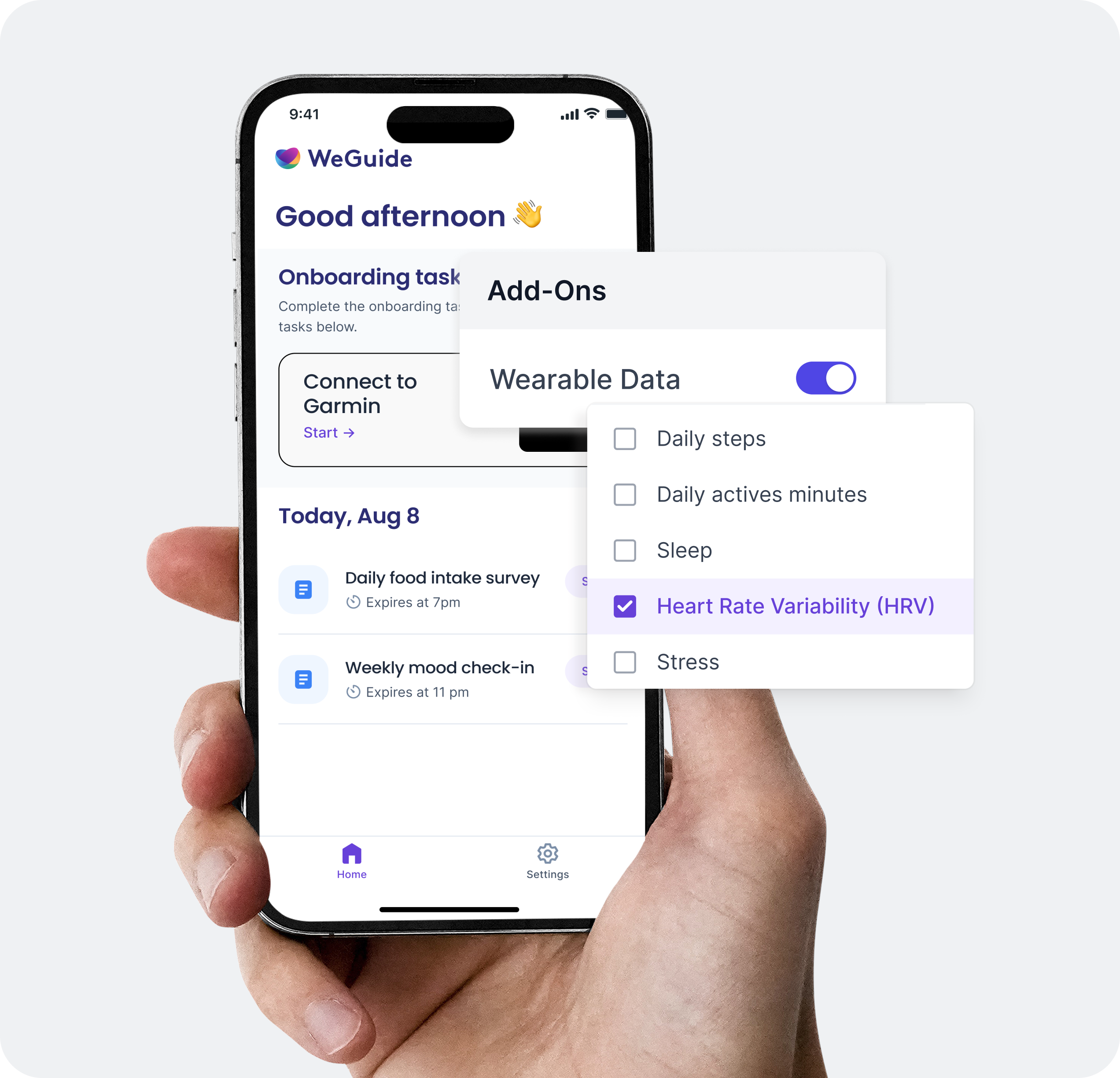
The short version
The typical Medidata buyer conversation sounds like this: a mid-market sponsor or CRO sits down with a Medidata sales team, describes their study, and gets a quote with a six-figure minimum and a four-to-six month implementation runway. For large, complex pharma portfolios, those numbers are reasonable. For everyone else, they're a wall.
Why teams look elsewhere
Academic medical centres, mid market CROs, investigator led studies, patient registries, and digital health programmes all have the same problem in different forms: Medidata's strengths are real, but the price point and implementation complexity assume an enterprise programme team and an enterprise budget. When those aren't available, teams start looking for alternatives that cover most of the same ground with a faster, lighter, and more accessible delivery model.
The Medidata "alternatives" conversation also splits in two. Some teams are looking for a Medidata Rave alternative (they need EDC and eCRF). Others are looking for a Medidata CTMS alternative (they need trial management, site management, and financial tracking). We cover both below.
Key differences between WeGuide and Medidata
For teams that don't need Rave's full eCRF depth but do need fast deployment, patient engagement, and a simpler cost story, here's what changes when you move to WeGuide.
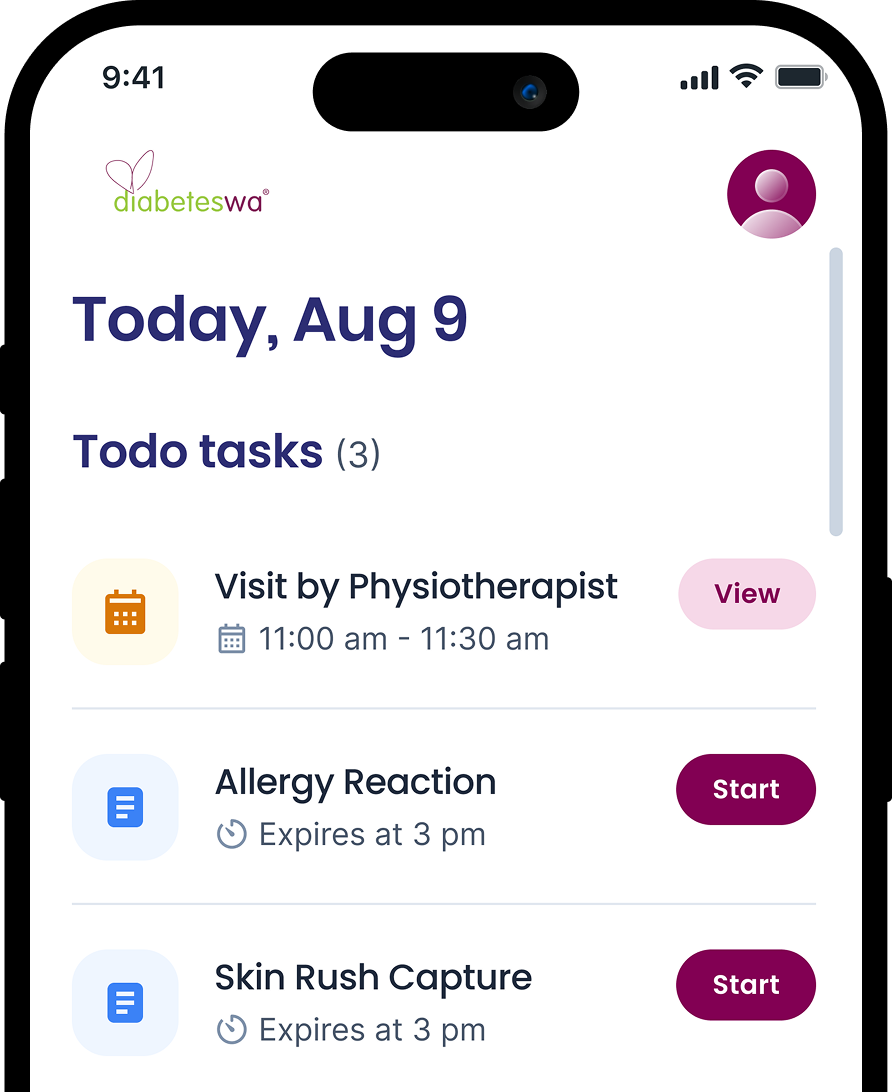
Deploy in weeks, not months
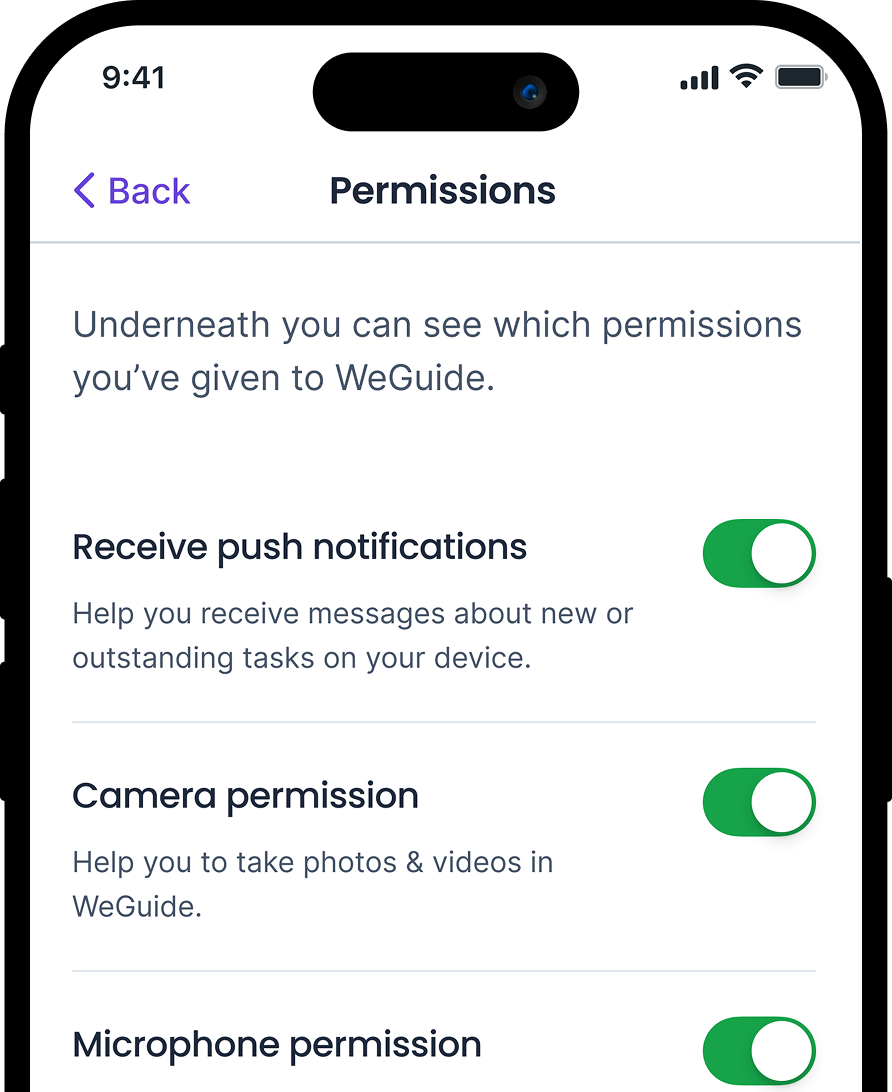
Accessible pricing for mid market research
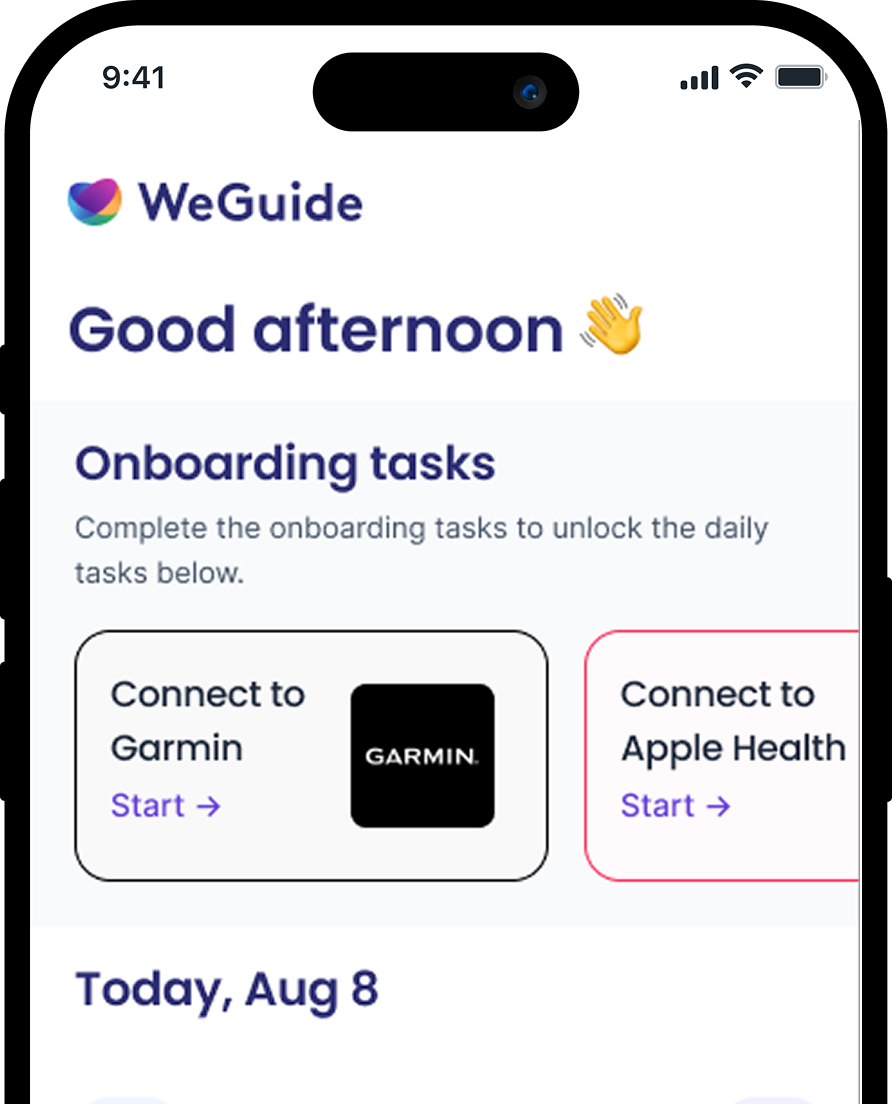
No code programme builder
Full comparison: WeGuide vs Medidata
Top alternatives to Medidata in 2026
Here's the shortlist of platforms most teams evaluate when they're moving on from Medidata, or when Medidata's pricing rules it out. Each one has a different sweet spot.

Where WeGuide goes further
For teams that want the participant side of a study in one platform, here's what changes when you move to WeGuide.

Deploy in weeks, not months

Accessible pricing for mid-market research

No-code programme builder

Whitelabel mobile apps under your brand

Native Garmin, Apple Health, Health Connect, and Fitbit Air

Built-in patient registry capability

Use cases beyond pharma trials

Medidata CTMS vs WeGuide
Built for regulated research
Every WeGuide study runs on our managed infrastructure. Your IT team doesn't patch servers, manage backups, or run disaster recovery drills.

TGA Registered
ISO 27001
Data Hosted in Australia
GDPR Compliant
Biometric Security

256-bit AES Encryption
Where Medidata excels
Market-leading EDC with Rave. Medidata Rave has been the category-defining EDC for two decades. Its eCRF designer, edit-check engine, query management, and data validation have been refined through tens of thousands of studies. For complex late-stage pharma trials, this is still the benchmark.
Enterprise-grade CTMS, RTSM, eCOA, safety, and CDB. Medidata has built out a comprehensive suite that covers most of the clinical trial technology stack. Acorn for safety, Patient Cloud for eCOA, Rave RTSM for randomisation, and the Medidata Clinical Data Studio for analytics and CDB. For teams that want one vendor across the whole stack, this is a real strength.
Part of Dassault Systèmes. The parent company brings R&D investment, enterprise support, and integration with the Dassault portfolio. That matters for some enterprise sponsors.
FDA 21 CFR Part 11 across the stack. Regulatory-grade compliance at enterprise scale, with a long track record of FDA submissions accepting Medidata-sourced data.
Strong in complex, late-stage, global Phase II to IV pharma trials. This is Medidata's home turf, and it's genuinely hard to match at that scale.
If your study is a top-20 pharma late-stage multi-site trial, Medidata is a defensible choice. We'd rather tell you that honestly than pretend WeGuide replaces it in every scenario.
run WeGuide alongside Medidata
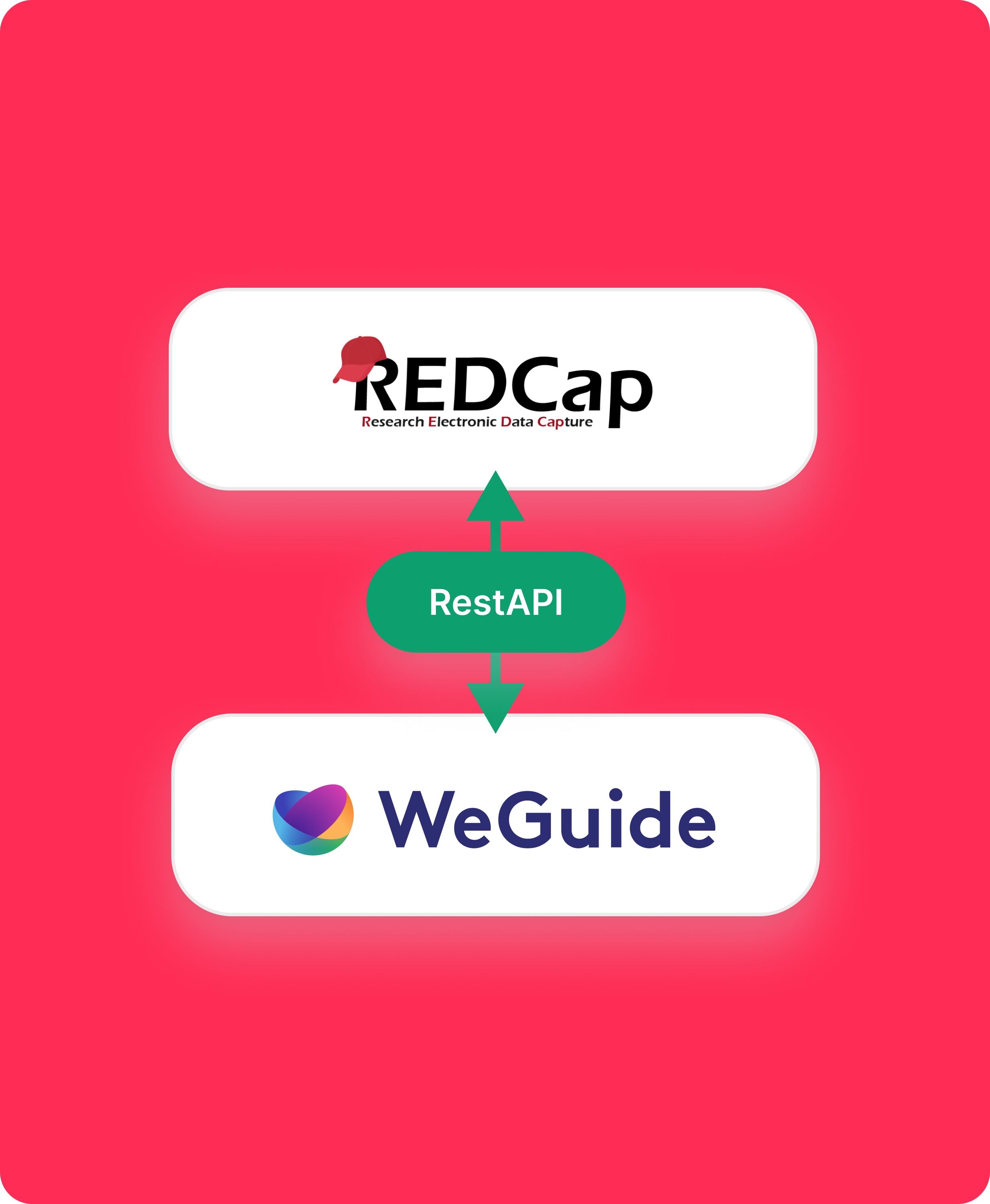
If your enterprise portfolio already runs on Medidata Rave for complex late-stage trials, you don't have to rip that out to use WeGuide for your mid-market or engagement-heavy studies. Our Integration Engine connects to Medidata through its APIs, so you can keep Rave for the protocols it suits and run WeGuide for the ones that need faster deployment, patient engagement, or lower cost. Many of the teams we work with run hybrid architectures.
How the switch works
For teams that are ready to move beyond Medidata for specific studies or run WeGuide alongside it, here's how onboarding typically plays out.
Discovery Call
A 30-minute conversation with one of our research delivery team. We look at your protocol, your current Medidata setup, and what's actually blocking you. No sales pitch.
Study Configuration
Our team works alongside yours to configure the study in WeGuide. If you're keeping Medidata for eCRF data, we configure the Integration Engine at this stage. Typical timeline: two to four weeks.

Participant Onboarding
The whitelabel app goes live. Your research coordinators invite participants, who download the app under your organisation's brand. Consent flows, engagement templates, and eCOA instruments are ready.
Ongoing Support
You get a named research delivery contact, not a ticketing queue. We stay involved for the life of the study.

Case studies: research teams that moved faster than enterprise pharma software allows
BRACE Trial (Murdoch Children's Research Institute)
An international randomised controlled trial studying whether the BCG vaccine could reduce COVID-19 symptom severity in healthcare workers, run across several countries with thousands of participants. It was a hybrid trial, with in person vaccination and blood collection. WeGuide ran the participant facing digital layer alongside the site visits.
GenV (Generation Victoria)
A population health study following roughly 124,000 Victorians (about 50,000 children from birth and 74,000 parents). Longitudinal registry work at this scale isn't in Medidata's product scope, and the whitelabel family-facing app is the reason retention has held across multiple years.
FSHD Global
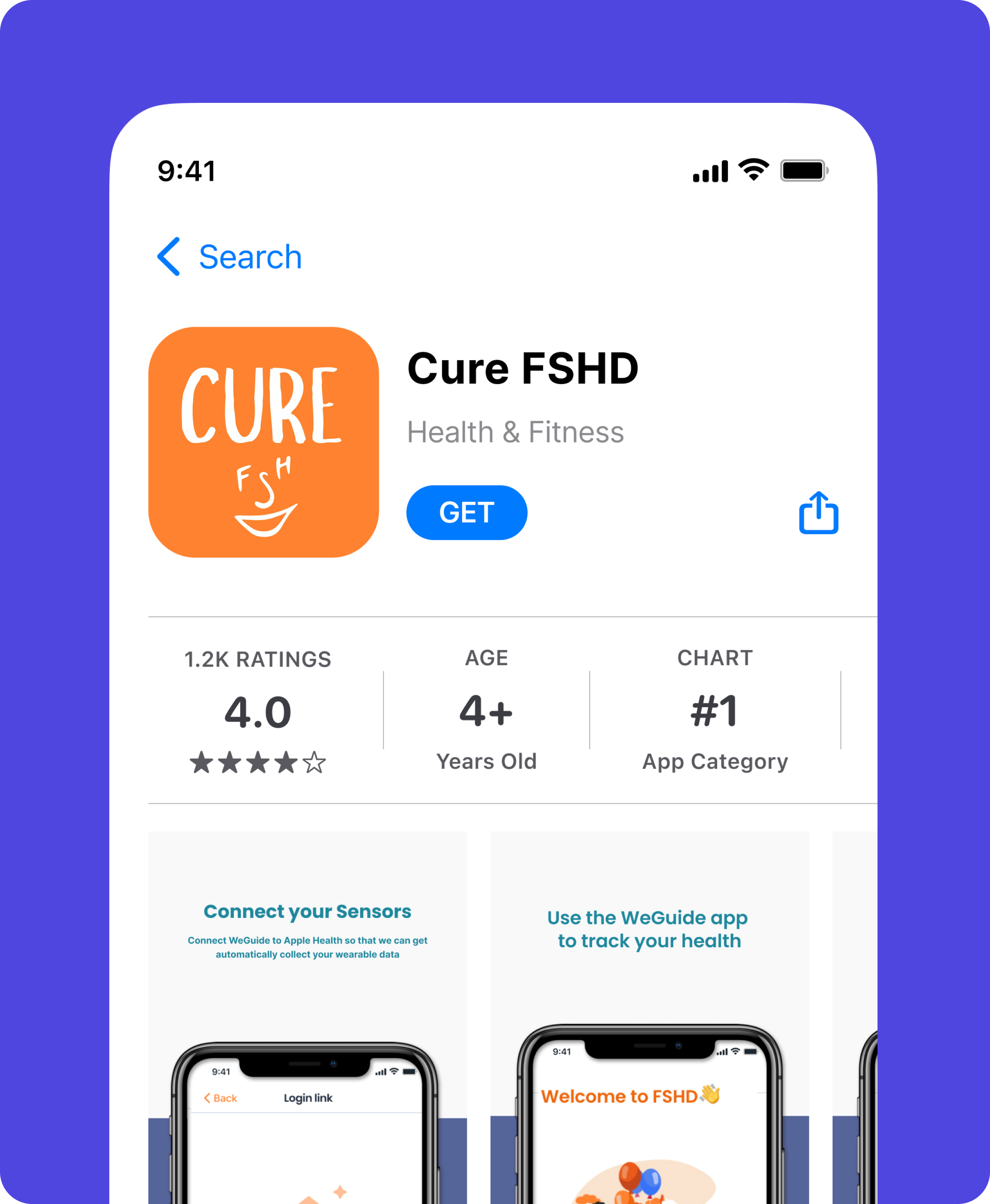
A longitudinal patient registry for facioscapulohumeral muscular dystrophy, combining patient reported outcomes with wearable integration. Participants report from home on their own phones, devices sync in the background, and the registry keeps a continuous picture of a rare disease over time instead of a snapshot at each clinic visit.


Questions
Straight answers on how WeGuide compares to Medidata, what migration looks like, and when Medidata is the right call.
Contact usIs WeGuide a full replacement for Medidata Rave EDC?
Honestly, for large, complex Phase II to IV pharma trials with hundreds of sites and decades of established eCRF libraries, Rave remains the gold standard and we won't pretend otherwise. WeGuide is the right choice when you're a mid-market sponsor, academic institution, investigator-led study, or CRO that doesn't need Rave's full eCRF depth and doesn't want its pricing and implementation timelines. For teams that need both, we often recommend running WeGuide alongside Rave through our Integration Engine rather than replacing it.
Does WeGuide replace Medidata CTMS?
For mid market and academic studies, yes. WeGuide handles participant management, study configuration, analytics, and operational oversight for the kinds of studies that don't need enterprise multi-programme CTMS features. For large pharma portfolios running hundreds of sites across multiple programmes, Medidata CTMS or Veeva Vault CTMS are better suited to that scale.
How does Medidata pricing compare to WeGuide?
Medidata is enterprise custom quoted, typically with six-figure minimums for a single study and longer for multi programme portfolios. Pricing is also often split across Rave, Patient Cloud, CTMS, Sensor Cloud, and other modules, so the total stack cost can climb quickly. WeGuide is project based and scales to your study's complexity, with every module included in the core licence. For mid market sponsors and academic research, WeGuide is typically significantly less expensive, and the implementation cost is lower because you don't need a dedicated programme team.
Can we migrate data from Medidata Rave to WeGuide?
Yes, through our Integration Engine and data import workflows. Rave integration is supported via the Medidata APIs. Most teams don't do a hard cutover. They run the two platforms side by side until they're confident, then gradually consolidate for new studies while keeping existing Rave studies in place.
Does WeGuide have an eCOA module like Medidata Patient Cloud?
Yes. WeGuide's eCOA is integrated into the Form Builder with a library of validated instruments, and it runs inside the same whitelabel app participants use for the rest of the study. The difference is that Medidata Patient Cloud is a separate module with a separate Medidata-branded participant interface, while WeGuide's eCOA is part of a single integrated participant experience.
How quickly can we deploy?
Configuration alongside your team typically takes two to four weeks, and complex multi-site studies with rigorous compliance requirements are scoped on the discovery call. The reason we can move this fast is that our no code programme builder lets research teams configure studies directly without waiting for an enterprise implementation team.
More comparisons
Compare WeGuide with other platforms
Honest, side by side comparisons, grouped by the kind of platform you are weighing up.
EDC and data capture



eCOA and ePRO





Decentralised trials




Wearables and digital health





Enterprise eClinical




Experience sampling


Site and recruitment

Browse all 31 comparisons
Filter by platform category on the comparisons hub.
Open the hub
See how WeGuide fits your study.
A 30 minute walkthrough with a research colleague, focused on your protocol, your participants and the tools you already run.
