

Florence Healthcare alternatives for teams that need sponsor side tools too
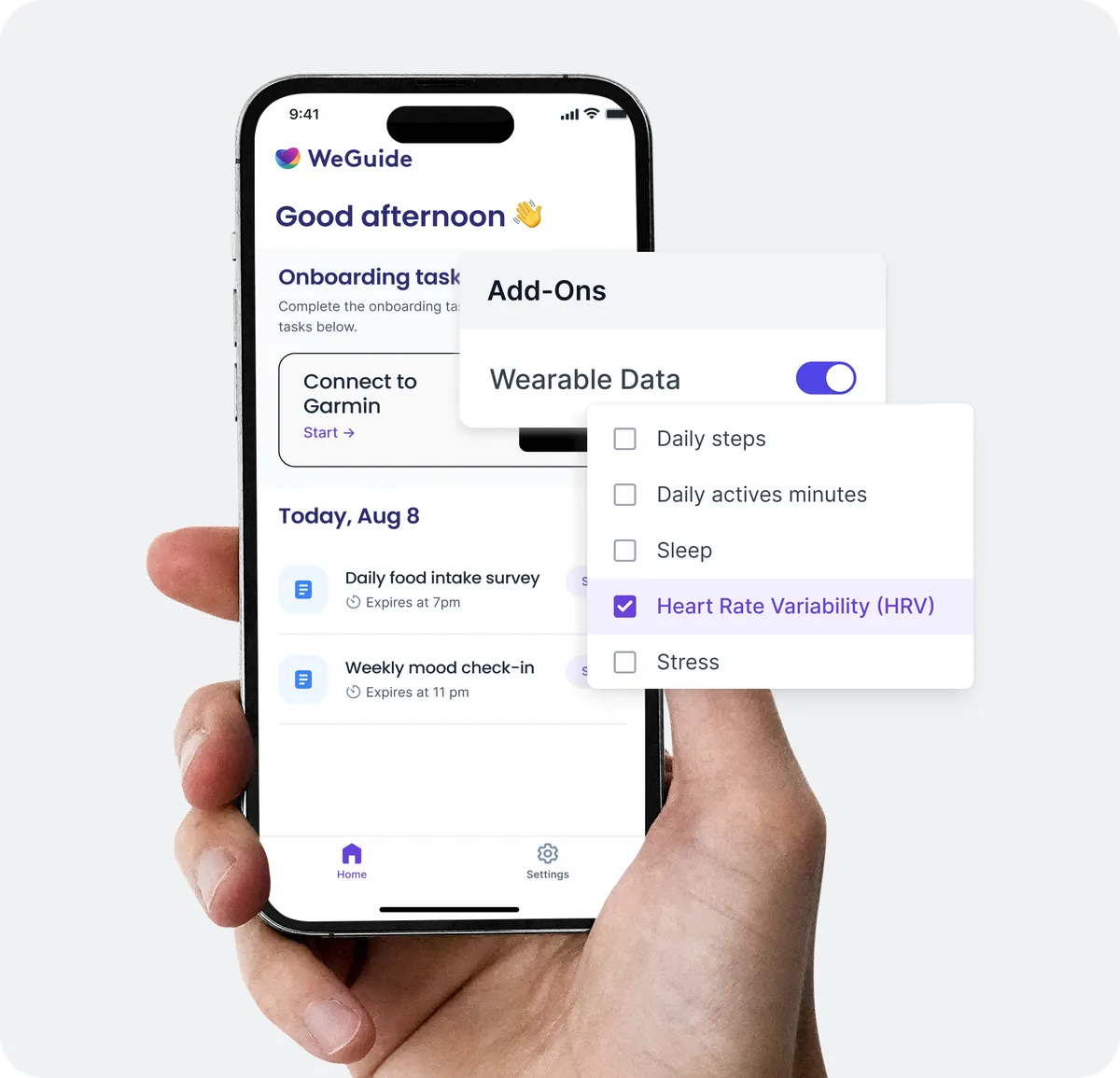
Florence owns the site-side workflow. If you're a sponsor, investigator, or registry team who also needs participant facing mobile apps, eCOA, eConsent at scale, wearables, and continuous engagement, Florence doesn't ship those tools. That's what WeGuide covers, in one regulatory grade platform.
No pressure, no hard sell. A 30-minute walkthrough with a research colleague who's built platforms like yours.


Where WeGuide differs
Whitelabel participant mobile apps
Native eCOA and ePRO
Continuous participant engagement
Used by leading research and medical institutes.


Why teams look for a Florence Healthcare alternative
The short version
Florence is built for the sites that deliver a study: eBinders, eISF, monitor access, and site regulatory workflow. That is its core market, and the fit there is real. Teams comparing it are usually doing one of three things: weighing site eRegulatory tools, evaluating an eTMF, or finding that they also need a participant facing layer that Florence doesn't cover.
Why teams look elsewhere
Sites comparing site facing eRegulatory tools. Florence eBinders and eISF compete directly with CRIO, Complion, and a handful of other site side eRegulatory platforms. Sites that already run one of the competitors, or sites considering a switch, want honest comparisons on eBinder design, DocuSign integration, monitor access, and how each tool handles site-level regulatory workflow. This is Florence's core market and the comparison here is genuinely between Florence, CRIO, and Complion.
Sponsors evaluating eTMF platforms. Florence eTMF is one option for sponsors and CROs that need trial master file management. The more common enterprise choices are Veeva Vault eTMF, Medidata Rave eTMF, Phlexglobal, and IQVIA eTMF. Sponsors weighing Florence eTMF against these enterprise alternatives are usually asking about scale, inspection readiness, and how well the eTMF integrates with the sponsor's broader clinical stack.
Mixed sponsor-site teams discovering they need both layers. This is where the Florence conversation most often turns into a WeGuide conversation. A sponsor or CRO evaluates Florence, recognises the eBinders and eISF value for sites, and then realises Florence doesn't solve the participant facing layer: eCOA, eConsent at scale, mobile engagement, wearable data, patient registries, and the whitelabel app participants actually open every day. These teams don't need a Florence replacement. They need a sponsor-side platform that sits alongside Florence.
WeGuide is a patient engagement and clinical trial platform built for sponsors, CROs, and research programmes running the study. Florence is built for the sites delivering the study. Where Florence handles regulatory binders, monitor access, and eISF workflow at the site, WeGuide handles participant experience, eCOA data capture, eConsent, wearables, and registries on the sponsor side. Most of the teams we work with who use Florence keep using Florence. We just plug into the part of the study Florence doesn't cover.
Key differences between WeGuide and Florence Healthcare
For teams that need sponsor side participant tools alongside Florence's site side platform, here's what WeGuide covers that Florence doesn't.
Whitelabel participant mobile apps
Native eCOA and ePRO
Continuous participant engagement
Full comparison: WeGuide vs Florence Healthcare
Top alternatives to Florence Healthcare in 2026
Here's the shortlist of platforms most teams evaluate when they're comparing Florence or looking for something Florence doesn't cover. The right answer depends on which part of the study you're solving for.


Where WeGuide goes further
For teams that want the participant side of a study in one platform, here's what changes when you move to WeGuide.

Whitelabel participant mobile app under your brand
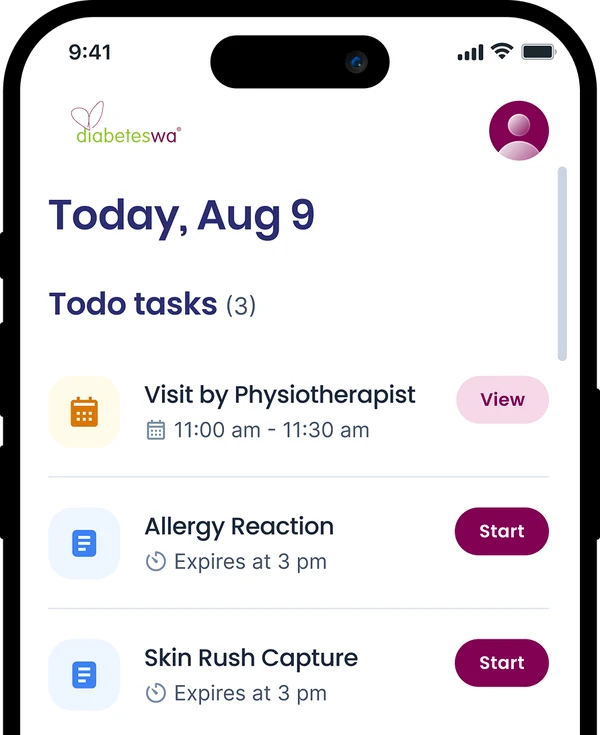
WeGuide ships native iOS and Android apps fully branded under your organisation's name and identity. The app is where participants take consent, complete eCOA instruments, read study content, sync wearable data, and message study staff. Florence is a site-facing platform and doesn't deliver a participant-facing app. For sponsor-branded studies, patient registries, and digital health programmes, the participant app is where engagement lives and it sits entirely outside Florence's scope.

Native eCOA and ePRO with a validated instrument library
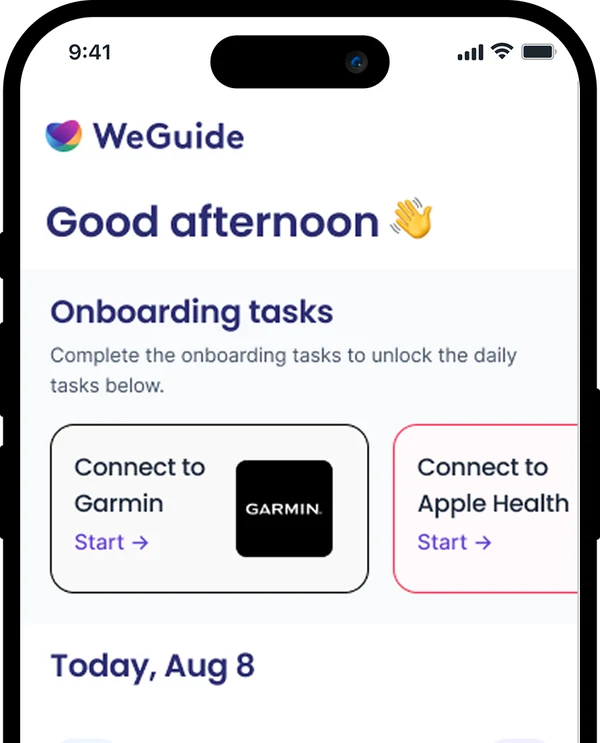
WeGuide's Form Builder includes a library of validated eCOA and ePRO instruments out of the box, integrated into the whitelabel participant app. Participants complete PROMs, symptom diaries, quality of life measures, and study specific questionnaires on their own phones. Florence doesn't offer eCOA or ePRO. For study endpoints that depend on patient reported data captured outside site visits, this is a core capability gap Florence isn't trying to fill. See the Form Builder →

eConsent at scale with regulatory version control
WeGuide's eConsent is built for sponsor driven study rollouts across multiple sites, with version control, multilingual translations, and regulatory compliant audit trails. Florence handles site level document signing through DocuSign, which works for site regulatory documents but isn't architected for participant eConsent at scale across a trial network. See the eConsent platform →

Continuous participant engagement
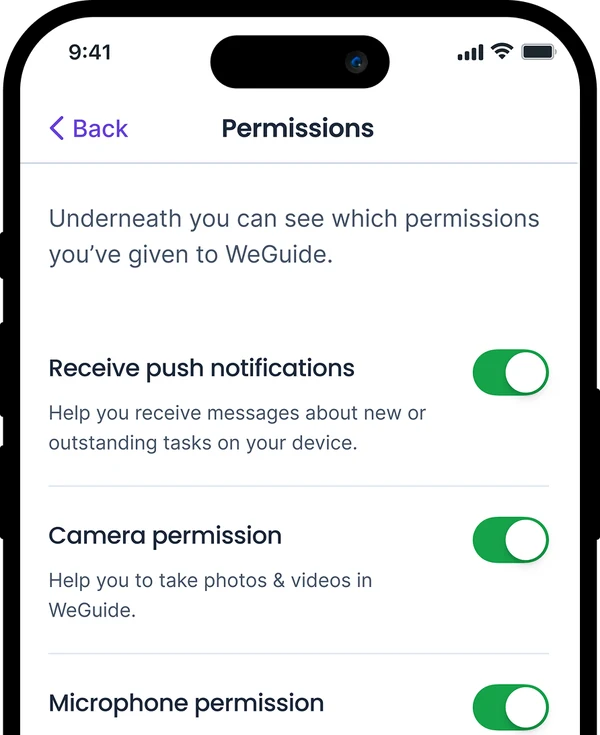
Push notifications, in app messaging, educational content delivery, study companion features, and automated reminders are how WeGuide sustains engagement. Florence is a document and regulatory platform. Engagement with participants between site visits, where adherence is actually won or lost, sits entirely outside Florence's scope. See WeGuide's patient engagement platform →

Native Garmin, Apple Health, Health Connect, and Fitbit Air
Wearable data streams directly into WeGuide through built in integrations. Participants connect their devices once during study onboarding and passive data syncs automatically. Florence doesn't handle wearable data. For studies collecting real-world evidence from participants' own devices, this is a different category of tool. See supported wearable devices →
Patient registries and longitudinal programmes
The FSHD Global Registry and GenV (about 124,000 Victorians) run on WeGuide as purpose built longitudinal registries with participant engagement, wearable data, and validated instrument capture over many years. Patient registries, employee wellbeing programmes, and population health studies sit entirely outside Florence's site-regulatory scope. See WeGuide's patient registry platform →

Telehealth and virtual visits
Built in video visit infrastructure supports decentralised and hybrid trial designs where site visits happen virtually. Florence is built around physical site workflow and doesn't deliver telehealth or virtual visit infrastructure.

Multilingual study delivery
The INHERIT COVID-19 study ran in eight languages across culturally diverse communities in Australia. WeGuide's multilingual translation management is built into the platform across consent, eCOA, and participant content. Florence's multilingual support is oriented to site documents, not participant-facing content at scale.
Built for regulated research
Every WeGuide study runs on our managed infrastructure. Your IT team doesn't patch servers, manage backups, or run disaster recovery drills.

TGA Registered

ISO 27001

Data Hosted in Australia

GDPR Compliant

Biometric Security

256-bit AES Encryption
Where Florence Healthcare excels
Market leading eBinders for research sites. Florence eBinders is the de facto standard for site-side regulatory binder management. Site coordinators, monitors, and research managers use Florence daily for binder structure, document versioning, and inspection readiness. If your site is already running Florence eBinders effectively, there's no reason to move off it.
eISF workflow designed for sites. Florence eISF is purpose-built for how research sites actually work, with monitor access, document review workflows, and integration points that match site-level regulatory processes. Competitors in this narrow category, CRIO and Complion, compete on feature depth but Florence has the broadest installed base.
DocuSign integration and site level signatures. Site-level approvals and regulatory signatures run cleanly through Florence's DocuSign integration. For sites that need compliant signing embedded in the eBinder workflow, this is a meaningful operational asset.
Strong brand recognition with site coordinators. Florence has invested heavily in the site-coordinator community, including conference presence, clinical research career content, and educational resources that sit alongside the product. Research coordinators recognise and trust the brand, which makes site adoption easier when a sponsor specifies Florence.
eTMF for sponsors that want a site first platform. Florence eTMF extends the site-side platform up to sponsor-level trial master file management. For sponsors and CROs that already have Florence deployed at sites and want one vendor across both layers, Florence eTMF is a reasonable choice.
If your study is primarily solving site side regulatory documents and site workflow, Florence is often the right tool and WeGuide does not replace site-level eBinders or eISF. We're a sponsor-side participant engagement platform, not a site regulatory document platform. We'll tell you that on the call.
WeGuide works alongside Florence Healthcare
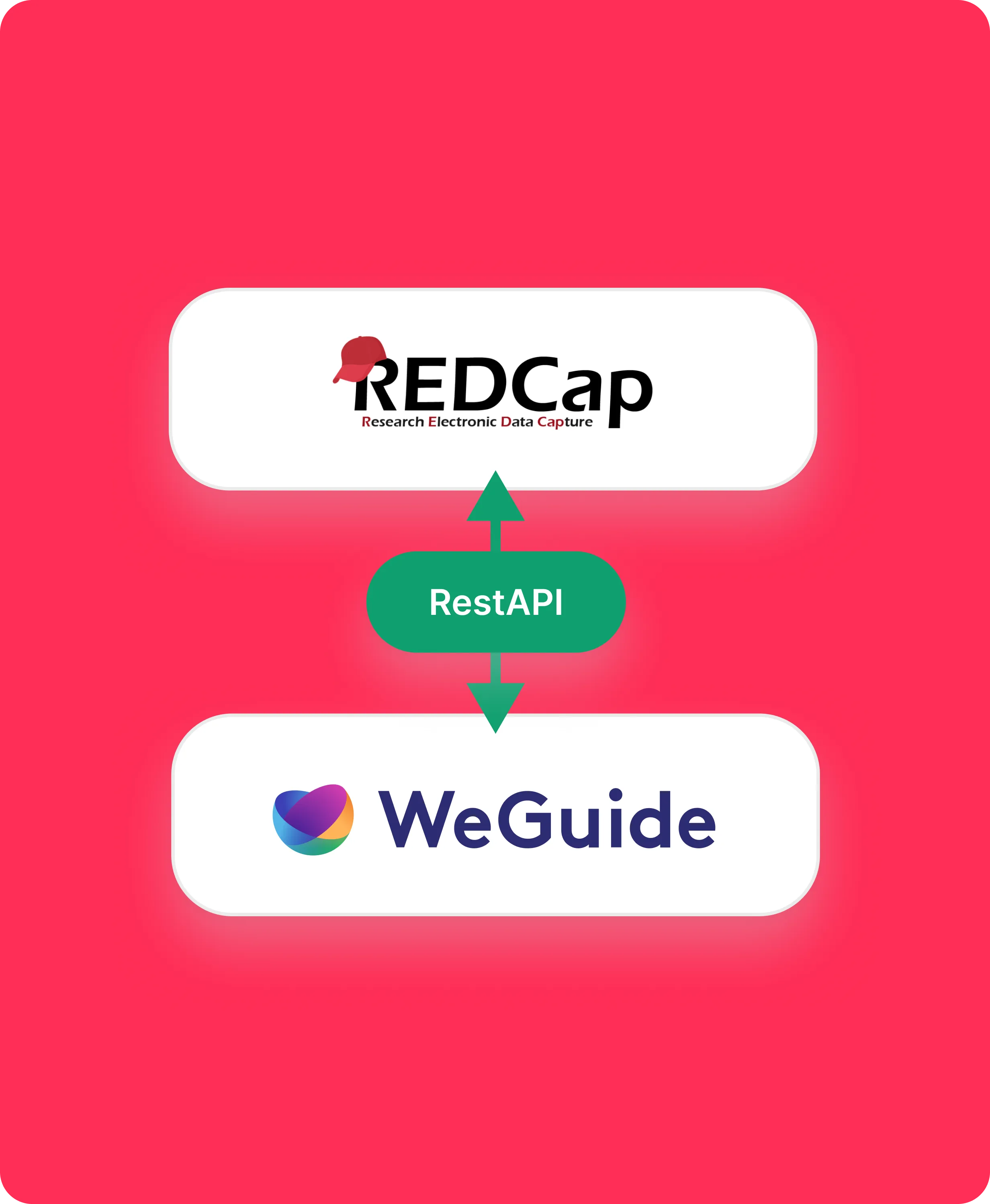
If your sites already run Florence eBinders and eISF, you don't need to touch any of it to use WeGuide for the participant facing layer. Our Integration Engine connects to Florence through supported APIs, so Florence handles site regulatory documents and eISF while WeGuide runs whitelabel patient engagement, eCOA, eConsent, wearables, and registries. A common sponsor setup is Florence for site regulatory documents plus WeGuide for participant experience plus an external EDC (Medidata, Castor, OpenClinica) for core data capture. We integrate with that whole stack.
How the switch works
For research sites already running Florence who want to add participant facing tools, or for sponsors and CROs planning a study where Florence handles sites and WeGuide handles participants, here's how onboarding usually plays out.
Discovery Call
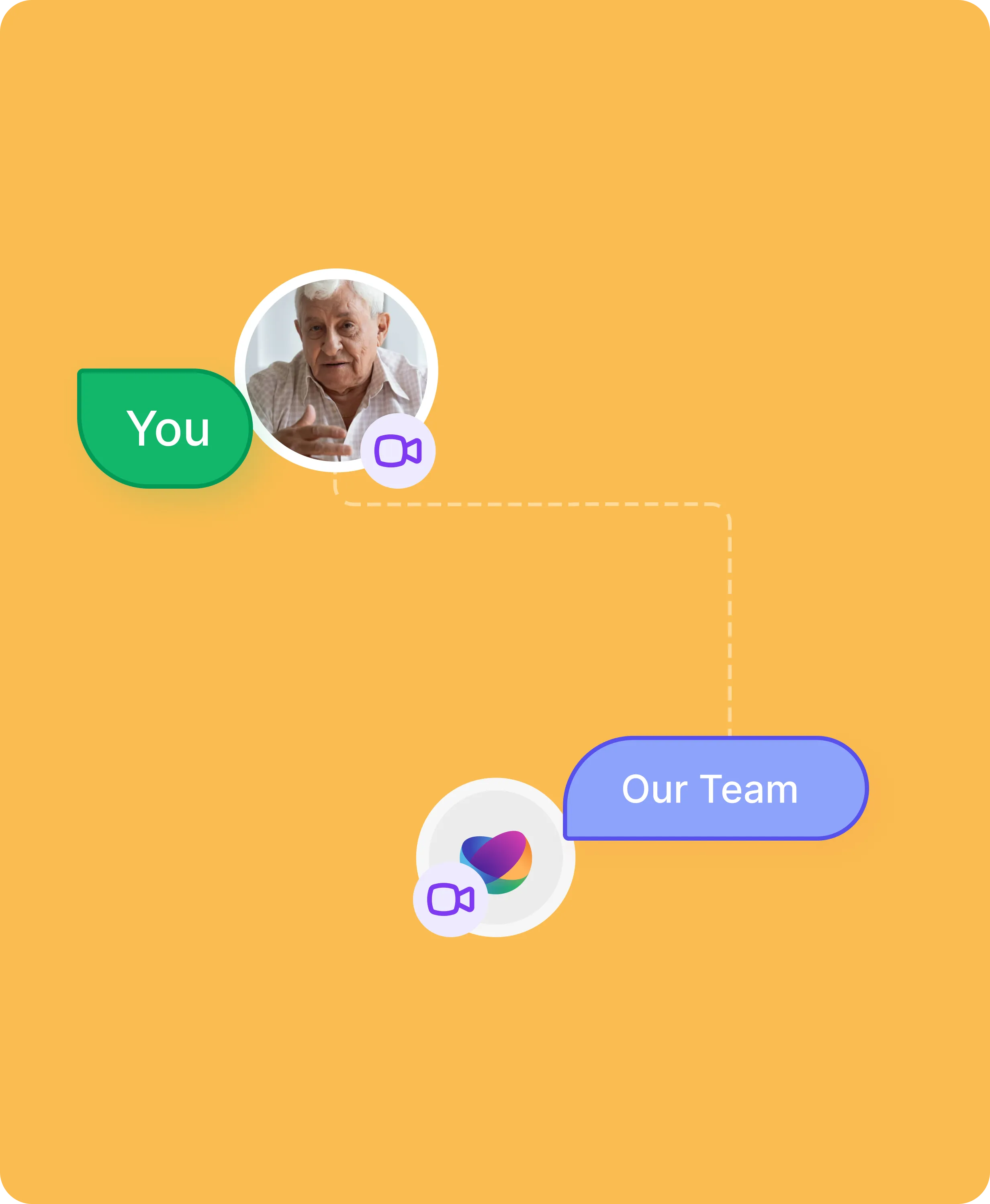
A 30-minute conversation with one of our research delivery team. We look at your protocol, your current Florence setup, and what's missing on the participant side. No sales pitch.
Study Configuration
Our team works alongside yours to configure the study in WeGuide. The Integration Engine connects to Florence and any other tools in your stack at this stage. Typical timeline: two to four weeks.
Participant Onboarding
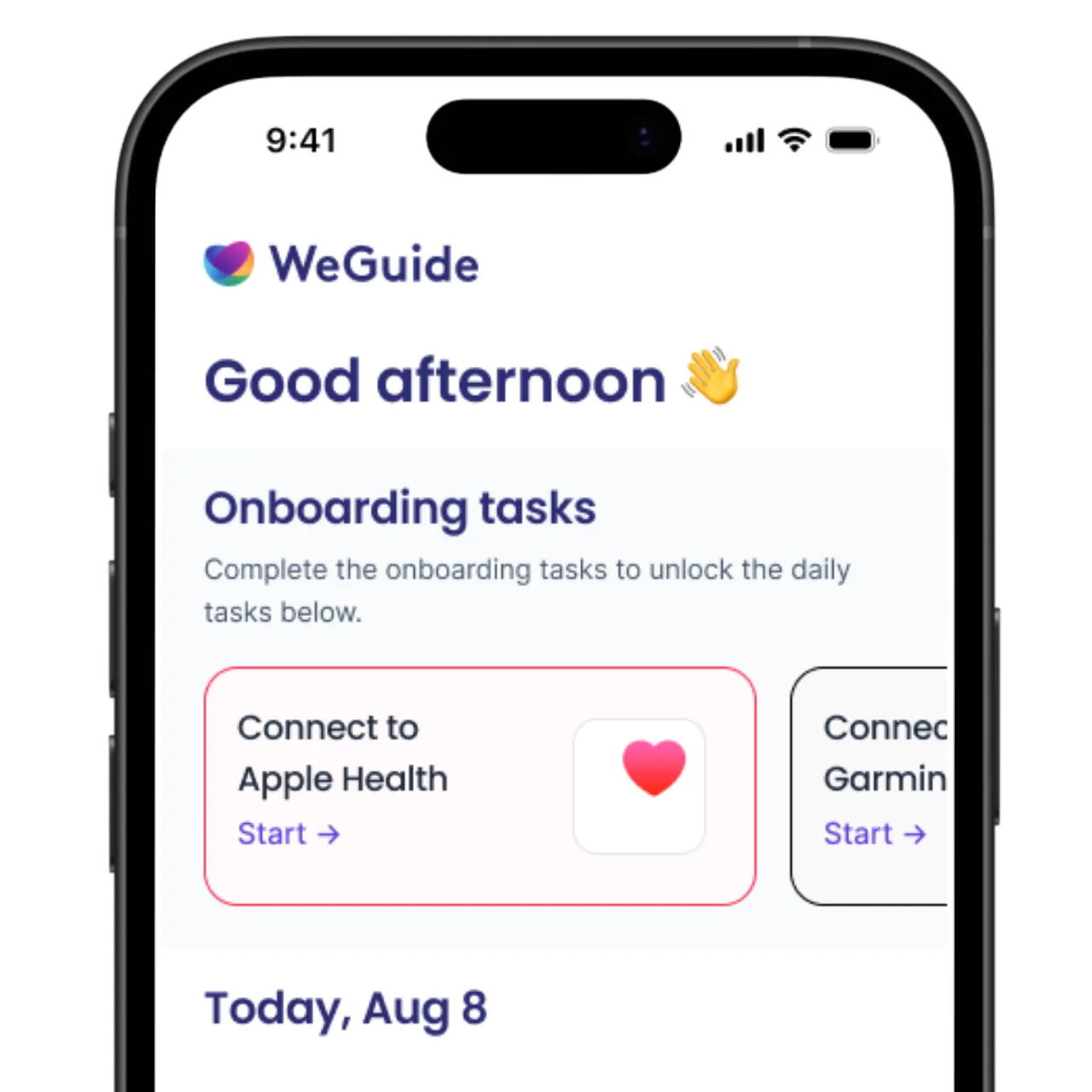
The whitelabel app goes live under your organisation's brand. Research coordinators invite participants, consent flows are ready, and eCOA instruments, engagement templates, and wearable integrations are live from day one.
Ongoing Support
You get a named research delivery contact, not a ticket queue. We stay involved for the life of the study and during Florence or other stack changes.
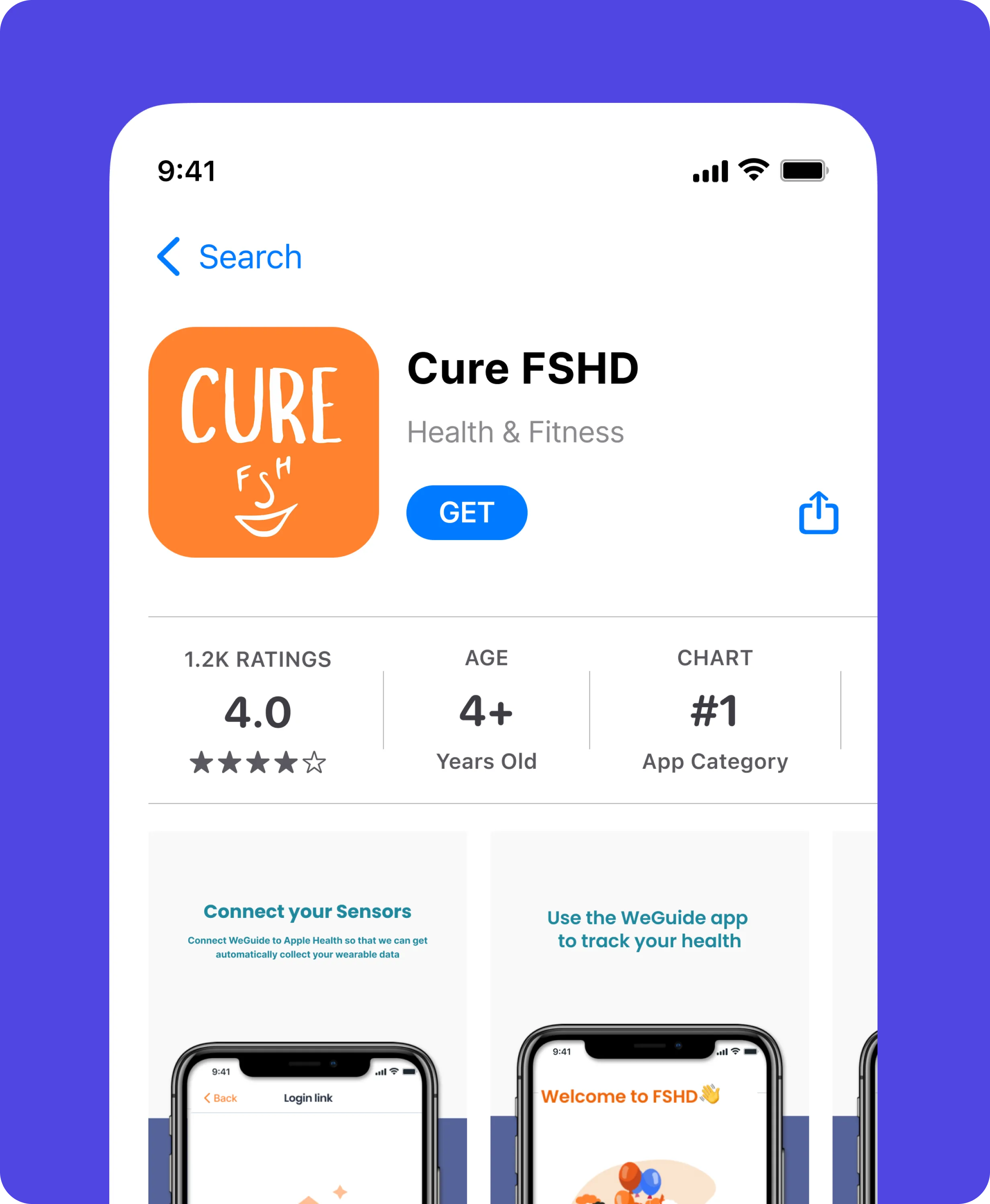
Case studies: research programmes where WeGuide runs alongside site tools
BRACE Trial (Murdoch Children's Research Institute)
An international randomised controlled trial studying whether the BCG vaccine could reduce COVID-19 symptom severity in healthcare workers, run across several countries with thousands of participants. It was a hybrid trial, with in person vaccination and blood collection. Sites ran their own regulatory documents on their existing site systems while WeGuide handled participant consent, surveys, symptom tracking, and engagement across the network.
GenV (Generation Victoria)
A population health study following roughly 124,000 Victorians (about 50,000 children from birth and 74,000 parents). Longitudinal registry work at this scale needs a whitelabel family-facing app, multilingual content, and consistent engagement over many years. Site-side regulatory tools don't address that workload. WeGuide runs the family-facing layer and the registry.
FSHD Global
A longitudinal patient registry for facioscapulohumeral muscular dystrophy, combining patient reported outcomes with wearable integration. Participants report from home on their own phones, devices sync in the background, and the registry keeps a continuous picture of a rare disease over time instead of a snapshot at each clinic visit.


Questions
Straight answers on how WeGuide compares to Florence Healthcare, what integration looks like, and when Florence alone is the right call.
Contact usIs WeGuide a replacement for Florence eBinders?
No, and we'll tell you that on the call. Florence eBinders is a site side eRegulatory platform for managing site level trial master files and regulatory binders. WeGuide is a sponsor side patient engagement and data collection platform. The two tools solve different parts of the study. Most research programmes that we work with who use Florence keep using Florence for site documents and add WeGuide for participant experience, eCOA, eConsent, wearables, and registries.
Can WeGuide integrate with Florence Healthcare?
Yes. Our Integration Engine connects to Florence through supported APIs so site side regulatory documents stay in Florence and participant facing data, consent, eCOA, and engagement run in WeGuide. Hybrid architectures are the norm with teams that run both. We'll map out exactly what the integration looks like for your specific protocol on the discovery call.
We're a research site. Should we use WeGuide or Florence?
If your problem is site side eBinders, eISF, eSource, or regulatory binder management, Florence is often the right choice. WeGuide doesn't replace site level eRegulatory workflow. Where WeGuide fits for sites is when you're running participant-facing components of a study and need the mobile app, eCOA, eConsent, and engagement layer that sits above your site documentation. Many sites run both.
Does WeGuide have an eTMF like Florence?
No. WeGuide doesn't offer an eTMF. For trial master file management, Florence eTMF, Veeva Vault eTMF, Medidata Rave eTMF, and Phlexglobal are the established options. WeGuide integrates with eTMF platforms through the Integration Engine so document workflow lives in the eTMF and participant-facing data lives in WeGuide.
Florence eBinders vs Veeva Vault eTMF: which fits clinical trial sites?
They cover different sides of the study. Florence describes eBinders as a digital investigator site file built for sites, with remote monitoring and document sharing with sponsors and CROs, while Veeva describes its eTMF as a trial master file application that gives sponsors, CROs and sites a real time view of TMF completeness. For a site owned binder, Veeva lists SiteVault eISF separately as a research site product. Confirm 21 CFR Part 11 controls and sponsor connectivity with each vendor for your studies. WeGuide offers neither product; see how WeGuide compares with Veeva.
How does pricing compare?
Florence is priced per site or per user depending on the module, which makes sense for a platform priced against site coordinator workflow. WeGuide is project based and scales to the study's complexity, with every module included in the core licence. Because they solve different parts of the study, pricing is usually additive rather than substitutive for teams running both.
Can Florence and WeGuide work together on the same study?
Yes. A common setup for mid-market and academic studies is Florence for site side eBinders and eISF, WeGuide for participant engagement, eCOA, eConsent, and wearables, and an external EDC (Medidata, Castor, OpenClinica) for core data capture. We integrate with that whole stack through the Integration Engine.
What if we need both site documents and a participant app but only want one vendor?
Honestly, no single vendor is a strong leader in both layers. Florence is the site side leader but their participant-facing capability is thin. WeGuide is a sponsor side leader for patient engagement but we don't offer site level eBinders or eISF. For most research programmes, running two platforms that each do their job well beats running one platform that does one layer well and the other layer poorly. We'll give you an honest view of the trade-off on the call.
More comparisons
Compare WeGuide with other platforms
Honest, side by side comparisons, grouped by the kind of platform you are weighing up.
EDC and data capture





eCOA and ePRO





Decentralised trials






Wearables and digital health






Enterprise eClinical





Experience sampling


Site and recruitment

Browse all 31 comparisons
Filter by platform category on the comparisons hub.
Open the hub
See how WeGuide fits your study.
A 30 minute walkthrough with a research colleague, focused on your protocol, your participants and the tools you already run.
