A guided first step
Share your asthma history, triggers and questions, and know what to expect before your review.
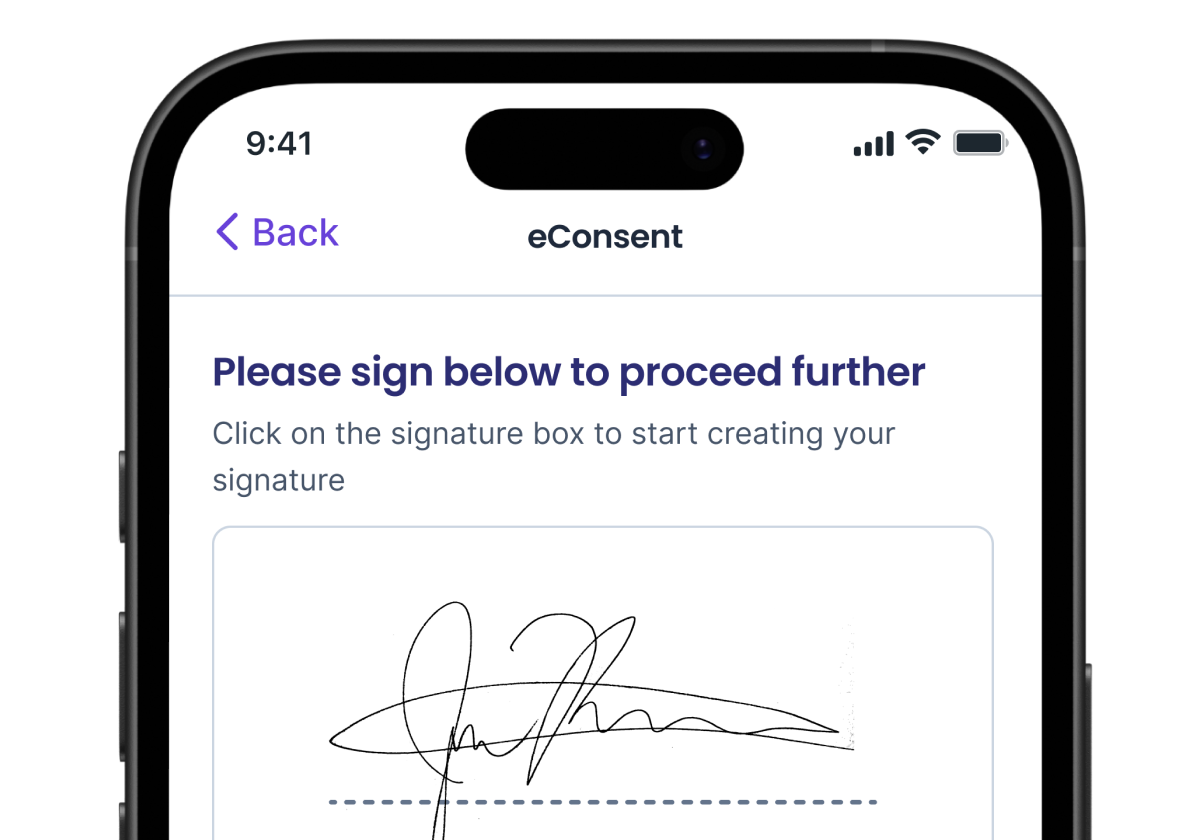


Bring asthma reviews, symptom check-ins and your written action plan into one connected care pathway.
Collect asthma history, control questionnaires and peak flow readings where used. Give your patients clear guidance, with your care team leading each next step.

 The WeGuide asthma care journey
Symptoms, triggers and inhaler use can shift between reviews. Bringing them together helps your clinician see how asthma is really affecting your life.
WeGuide connects your asthma reviews with clear guidance and follow-up, so you can move from a written plan to asthma management that fits your everyday life.
From your first review to your written action plan, keep the next step within reach.
Share your asthma history, triggers and questions, and know what to expect before your review.
Clear information about asthma, inhaler technique and the action plan agreed with your clinician.

Reminders for the check-ins, questionnaires and reviews agreed with your care team.
Keep guidance, messages and check-ins together, with support between your appointments.

Bring symptom trends and relevant updates into a clearer conversation about your plan.

Bring the parts of asthma that matter together, for reviews grounded in your daily life.

Regular questions about symptoms, night waking and activity help your clinician understand your asthma control over time.
Your care team may use a questionnaire such as the Asthma Control Test between visits.
Answers are considered alongside your history, your review and any lung function results.

Using an inhaler correctly helps the medicine reach your lungs. Your care team shows you the technique that suits your device.
Patient education agreed with your clinician, ready whenever you want a refresher at home.
Your clinician can watch your technique and adjust guidance when something needs attention.

Colds, pollen, smoke, cold air and exercise can affect asthma differently for each person. Noticing patterns helps the conversation.
Record possible triggers and changes in symptoms as agreed, so nothing gets lost between visits.
Talk with your clinician about exercise, sleep and work in a way that fits your life.

Your written asthma action plan sets out your usual medicines and what to do if asthma gets worse, as agreed with your clinician.
Keep the guidance that supports your plan alongside your check-ins and reminders.
Your clinician reviews and updates the plan when your asthma or your treatment changes.
01 / 04
One connected journey, with your clinician guiding each step.
The patterns that matter
A clinician by your side
Clear steps when things change
Connected between your reviews
For clinicians
Bring intake, asthma control questionnaires, inhaler education and follow-up into one digital journey. Keep each review grounded in your clinical approach and the asthma guidance relevant to your patients.

Answers about asthma management, action plans, remote care and using WeGuide in your practice.
Asthma management is the ongoing care that keeps asthma symptoms under control and lowers the risk of flare-ups. It usually combines medicines agreed with a clinician, correct inhaler technique, awareness of triggers, a written asthma action plan and regular reviews. Asthma cannot currently be cured, but for most people treatment works well and asthma has only a small effect on daily life.
A written asthma action plan sets out your usual asthma medicines, how to recognise when asthma is getting worse, what extra steps to take and when to get urgent medical help. It is made with your clinician or care team and can be printed or digital. Plans can be based on symptoms, peak flow readings or both, and many use a traffic light system from under control to emergency.
Clinicians assess asthma control by asking about recent symptoms, usually over the past four weeks: daytime symptoms, night waking, how often reliever medicine is needed and any limits on activity. Validated questionnaires such as the Asthma Control Test or the Asthma Control Questionnaire can structure these questions. Lung function is measured with spirometry, or with a peak flow meter if spirometry is not possible.
Everyone diagnosed with asthma, children and adults, benefits from a personal plan agreed with their clinician, including a written asthma action plan. Guidance commonly recommends an asthma review at least once a year to check symptoms, medicines, inhaler technique and the action plan. In children, action plans based on symptoms are usually preferred, and because asthma can change over time, plans are reviewed regularly.
No. Both affect the airways and can cause breathlessness, cough and wheeze, but they are different conditions. Asthma often starts in childhood and its symptoms tend to come and go. COPD mainly affects adults in middle age or older who smoke or used to smoke, and its lung damage is permanent. Some people have both, and a clinician uses history, symptom patterns and breathing tests to tell them apart.
Parts of asthma care can be supported remotely, including symptom questionnaires, education about inhaler technique and triggers, peak flow records where the care team uses them, and some follow-up conversations. Diagnosis, lung function tests such as spirometry and a physical examination usually need a face-to-face appointment. The care team decides which steps suit remote follow-up.
Digital follow-up helps a care team see how asthma is going between reviews, through agreed questionnaires and updates shared by patients. WeGuide brings scheduled asthma control questionnaires, reminders, inhaler and trigger education, check-ins and peak flow entries where used into the journey configured by the care team. WeGuide does not monitor for emergencies. If symptoms are urgent, follow your written asthma action plan and contact local emergency services.
After a review, the clinician and patient agree on any changes to treatment and update the written asthma action plan where needed. Follow-up checks how well the plan is working, and a review is also important after a flare-up. WeGuide supports this ongoing journey with patient guidance, scheduled check-ins and reminders for the next review, as agreed with the care team.
Contact WeGuide to discuss your asthma care pathway, patient population and existing workflow. Together, we can identify the intake forms, asthma control questionnaires, patient education, follow-up schedule and any integrations needed to support your service. Your clinical team defines the asthma protocol, the action plan approach and all care decisions.
WeGuide pricing depends on the scope of your asthma care pathway, configuration, integrations and support requirements. Contact our team to discuss your service and request a proposal. Clinical consultation, lung function testing and other care fees are determined separately by the care provider.
Request patient access
Not all clinicians are using WeGuide yet. If yours isn’t connected, share their practice details so we can discuss access to the asthma management pathway with your care team.
Your clinician guides your asthma care and decides which checks and next steps are right for you.