A guided first step
Share your health history and questions, and know what to expect before your treatment begins.
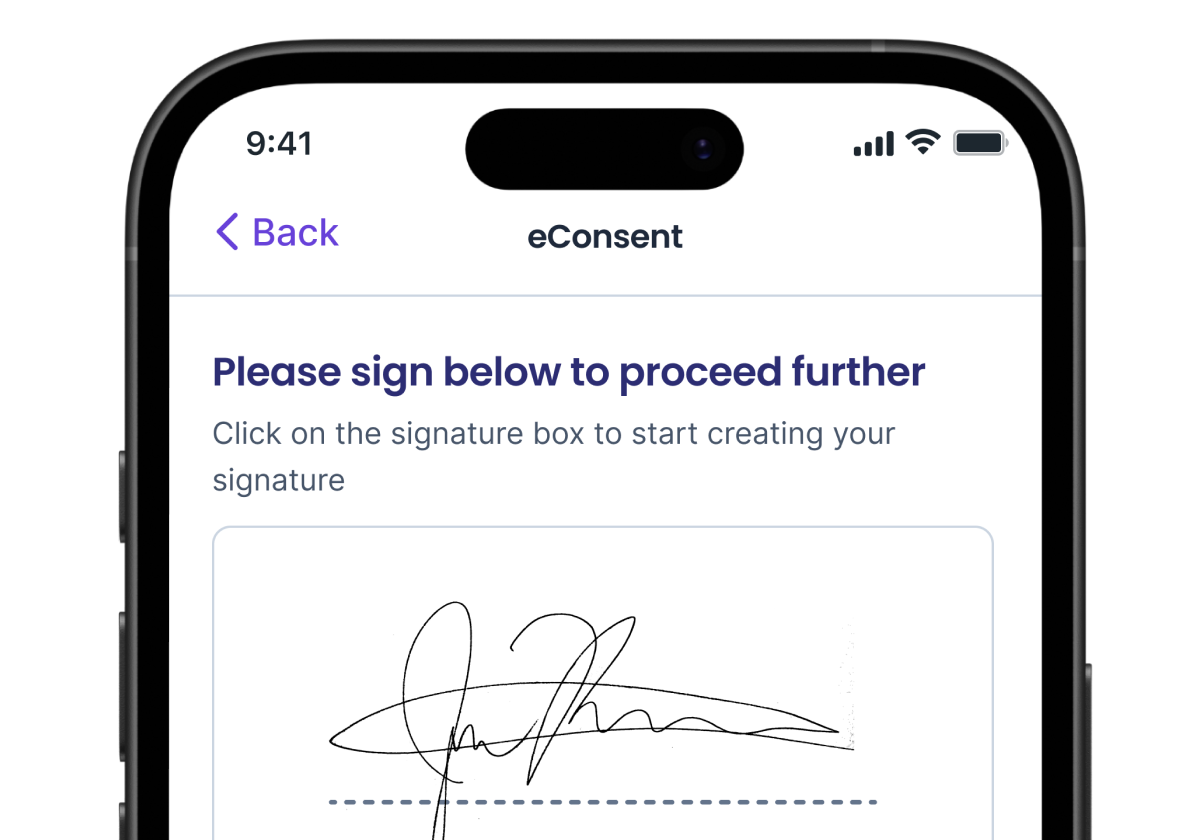


Bring symptom check-ins, side-effect guidance and follow-up into one connected cancer treatment support pathway.
Share how you feel between treatment visits, return to the advice your team has given you and check in as agreed, with your oncology team leading each step.

 The WeGuide cancer symptom management journey
Tiredness, nausea, appetite, sleep and mood can change from one day to the next. By your next treatment visit, the details can be hard to remember and describe.
WeGuide connects your treatment visits with clear guidance and regular check-ins, so you can move from coping alone between appointments to sharing what matters with your oncology team.
From before your first treatment to follow-up afterwards, keep the next step within reach.
Share your health history and questions, and know what to expect before your treatment begins.
Clear information about common side effects, how to manage them as advised and when to contact your team.

Reminders for symptom check-ins, appointments and the plan agreed with your oncology team.
Keep your team's advice, check-ins and messages in one place between your treatment visits.

Bring symptom, sleep and activity updates into a clearer conversation at each treatment visit.

Bring the side effects and changes that matter together, so your oncology team sees the fuller picture.

Short, regular check-ins on symptoms such as pain, nausea and tiredness help your team see how treatment affects you.
Your team picks validated questionnaires, such as ESAS or EORTC QLQ-C30, and how often to complete them.
Check-ins show how symptoms change between treatments, for your team to review at each visit.

Fatigue is one of the most common side effects of cancer treatment. Noting energy, sleep and activity helps your team understand it.
Record energy and sleep as your team suggests, with a questionnaire such as the Brief Fatigue Inventory.
Where available, steps and sleep from Apple Health, Health Connect or Garmin add to the picture.

Changes in appetite and weight are common during cancer treatment. Your team decides what to keep track of, and when.
Record your weight at the times your team suggests, using your own scale where that is appropriate.
Your team decides whether advice from a dietitian would help, and shares guidance you can revisit.

Cancer can bring a wide range of emotions. Your team can include distress and practical worries in your check-ins.
Share worries and mood, for example on a Distress Thermometer, and your team decides on further support.
Your team can point you, your family and your carers towards relevant support services.
01 / 04
One connected journey, with your oncology team guiding each step.
Advice from your own team
Symptoms shared as agreed
Your team makes each decision
During and after treatment
For clinicians
Bring pre-treatment intake, validated symptom questionnaires, patient education and follow-up into one digital journey. Keep supportive care grounded in your oncology protocols and local guidance.

Answers about cancer symptom management, remote care and using WeGuide in your service.
Cancer symptom management is the ongoing care of symptoms and side effects caused by cancer or its treatment, such as fatigue, pain, nausea, appetite changes, sleep problems and distress. The care team asks about side effects during treatment, offers ways to prevent or ease them, and adjusts the plan where needed. Side effects vary from person to person, even with the same treatment.
Common side effects of chemotherapy include tiredness, nausea and vomiting, a sore mouth, a higher risk of infection, bowel changes, hair loss and tingling in the hands or feet. Radiotherapy, surgery and other treatments have their own side effects, and appetite, weight and sleep can change too. Most people get some side effects but not all of them, and many ease after treatment stops.
At treatment visits, the care team usually asks about side effects and may arrange blood tests. Between visits, people may keep a symptom or fatigue diary, or complete validated questionnaires that rate how severe each symptom is. Randomised trials have studied weekly electronic symptom reporting between visits during routine cancer treatment, with nurses alerted to severe or worsening symptoms.
Cancer patient support is for anyone having cancer treatment, from before it starts to follow-up care afterwards, and for the family members and carers around them. Support can come from oncology doctors and nurses, dietitians, psychologists, social workers, physiotherapists and palliative care specialists, depending on each person's needs and the local service.
Not exactly. Every oncology team manages symptoms and side effects as part of treatment. Palliative care is a specialist approach that focuses on quality of life for people with a serious illness, covering physical, emotional, social and spiritual needs. It can begin at any point during cancer treatment and can be given alongside treatment aimed at cure, with palliative specialists working together with the oncology team.
Parts of cancer treatment support can be provided remotely, including symptom questionnaires, education, reminders, check-ins and some consultations by video where appropriate. Treatment, examinations, blood tests and scans take place in person. Urgent symptoms, such as a high temperature during treatment, need your oncology team's urgent contact line, as your team has advised, or local emergency services straight away.
Digital symptom monitoring helps an oncology team gather agreed updates between treatment visits, such as symptom ratings, energy, appetite, sleep and mood. WeGuide brings scheduled questionnaires, reminders, patient education and check-ins into the journey configured by the care team, with activity and sleep data from Apple Health, Health Connect or Garmin where available. The team reviews the updates and makes every care decision. WeGuide is not for emergencies.
Follow-up care usually means regular check-ups with the oncology team or another clinician, which may include blood tests and other checks, and attention to physical and emotional effects that can appear months or years later. A survivorship care plan may summarise the treatment and the follow-up agreed. WeGuide supports this stage with patient education, scheduled check-ins and reminders, as configured by the care team.
Contact WeGuide to discuss your oncology service, patient population and existing workflow. Together, we can identify the pre-treatment intake forms, validated symptom questionnaires, patient education, check-in schedule and any integrations needed to support your team. Your clinical team defines the monitoring protocol, the advice patients receive and all care decisions.
WeGuide pricing depends on the scope of your care pathway, configuration, integrations and support requirements. Contact our team to discuss your service and request a proposal. Treatment, consultation and other clinical fees are determined separately by the care provider.
Request patient access
Not all oncology teams are using WeGuide yet. If yours isn't connected, share their practice details so we can discuss access to the cancer symptom management pathway with your care team.
Requesting access does not book an appointment. Your oncology team decides which check-ins and next steps are right for you.