A guided first step
Share your pain history, priorities and questions, and know what to expect before your first appointment.
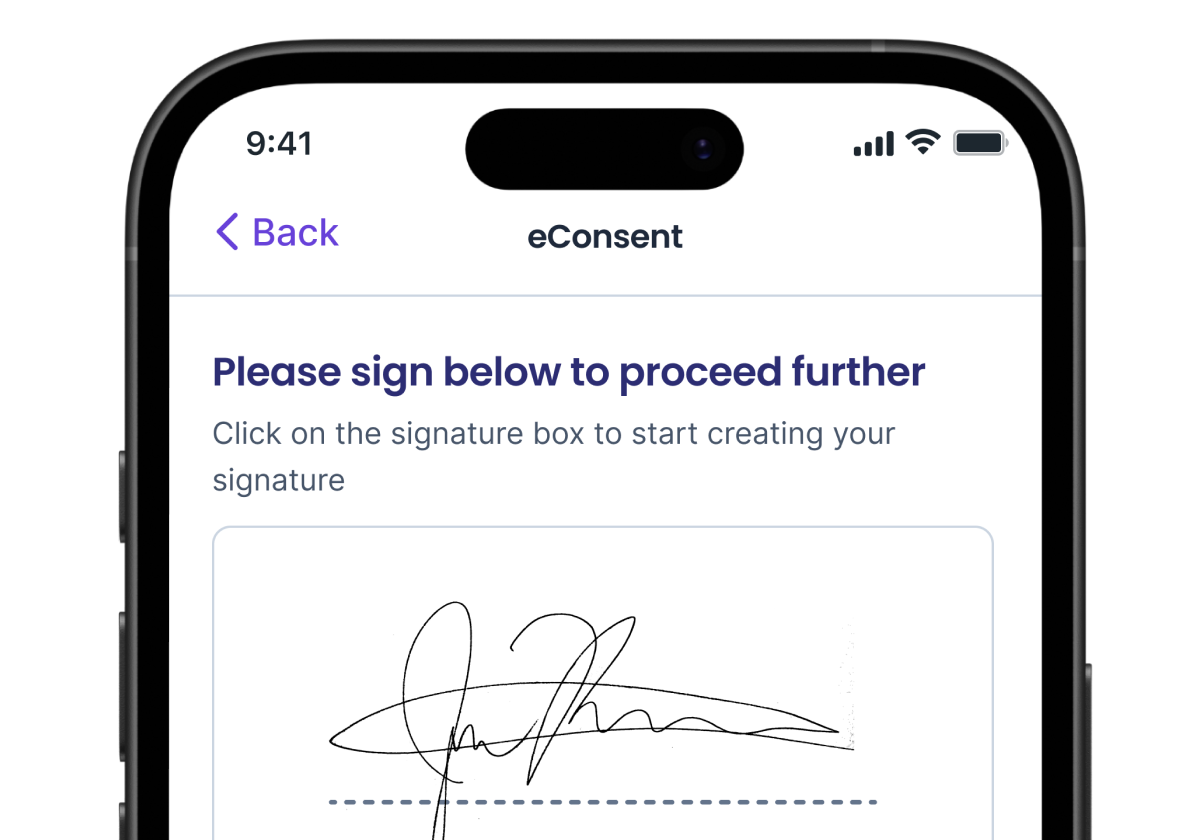


Bring chronic pain assessment, self-management and follow-up into one connected care pathway.
Share how pain affects your days, sleep and mood. Get clear guidance and regular check-ins, with your care team leading each next step.

 The WeGuide chronic pain journey
Pain, sleep, mood and daily activity all shape how you feel. Between appointments, the better days and the harder days can be difficult to remember and describe.
WeGuide connects your assessment with clear guidance and regular check-ins, so you can move from describing your pain to working on the goals that matter to you.
From the first conversation to your self-management plan, keep the next step within reach.
Share your pain history, priorities and questions, and know what to expect before your first appointment.
Clear information about chronic pain, pacing and the self-management steps agreed with your care team.

Reminders for the check-ins, activity goals and appointments agreed with your care team.
Keep guidance, check-ins and messages together, with support between your appointments.

Bring pain, sleep and activity updates into a clearer conversation about your progress and next steps.

Bring the factors that matter together, for a pain assessment grounded in your daily life.

Regular pain ratings and short notes help your care team see how your pain changes over days and weeks.
Your clinician chooses any validated pain questionnaires and how often you complete them.
Good days and flare-ups are considered alongside your history and the rest of your assessment.

How pain affects work, movement and everyday tasks helps your care team understand what matters most to you.
Share the activities you want to return to, and agree paced steps with your physiotherapist.
Where agreed, activity from connected health apps and wearables adds to the picture.

Pain, sleep and mood often affect each other. Your care team can include them in your assessment where relevant.
Share how you have been sleeping and feeling, and what makes the harder days easier.
Your care team decides whether psychological support or other referrals are appropriate.

Self-management skills such as pacing, relaxation and planning for flare-ups are part of many pain care plans.
Keep the techniques and education agreed with your care team close at hand.
Agree with your clinician what to do when pain flares and when to get in touch.
01 / 04
One connected journey, with your multidisciplinary care team guiding each step.
The information that matters
Clinicians who work together
Goals that fit your life
Connected between visits
For clinicians
Bring intake, validated pain questionnaires, patient education and follow-up into one digital journey. Keep your pain management program grounded in your multidisciplinary approach and local guidance.

Answers about chronic pain management, remote care and using WeGuide in your practice.
Chronic pain management is ongoing care for pain that persists or recurs for more than three months. It aims to understand what contributes to the pain and how it affects daily life, then agree a care and support plan. Plans often combine physical activity, psychological approaches, self-management skills and, where appropriate, medicines agreed with a clinician.
A pain management program helps people live well with persistent pain. Its main aim is to improve quality of life rather than to reduce pain. Programs are often delivered as group sessions and may include gentle exercise, relaxation and mindfulness, learning to pace activities to avoid flare-ups, and ways to manage the emotions that come with long-term pain.
Chronic pain assessment is person-centred. A clinician asks where the pain is, how intense it is, how often it occurs, what makes it better or worse, and how it affects sleep, mood, work and daily activities. Validated questionnaires covering pain intensity and its interference with daily life may be used, and an examination or tests are arranged where needed.
Anyone whose pain has lasted for months, or is affecting daily life, work, sleep or mood, can discuss support with their clinician. Pain in muscles, bones and joints is the most common form of non-cancer pain. Many people start with their primary care clinician, who may suggest self-management or a referral to a specialist pain clinic. Referral routes differ by country and local service.
No. Acute pain starts suddenly, often after an injury, illness or surgery, and usually ends when its cause heals or is treated. Chronic pain persists or recurs for more than three months. Clinicians also distinguish chronic primary pain, where no underlying condition adequately accounts for the pain, from chronic secondary pain, which an underlying condition explains.
Parts of chronic pain management can be supported remotely, including pain and function questionnaires, patient education, check-ins and some consultations by video where appropriate. A physical examination, some tests and hands-on treatments require an in-person appointment. The care team decides which steps are suitable for remote care for each person.
Digital follow-up helps a care team gather agreed updates between appointments, such as pain ratings, daily function, sleep and mood. In a pain management program, these updates can support team reviews and self-management goals. WeGuide brings scheduled questionnaires, reminders, patient education and check-ins into the digital journey configured by the care team, with activity data from connected apps where available.
The clinician and patient agree a care and support plan, which may include activity and pacing goals, psychological approaches and a review of medicines agreed with the clinician. Pain often fluctuates and flare-ups can happen, so follow-up helps the care team review progress and adjust the plan. WeGuide supports this ongoing journey with patient guidance, scheduled check-ins and reminders.
Contact WeGuide to discuss your chronic pain service, patient population and existing workflow. Together, we can identify the intake forms, validated questionnaires, patient education, follow-up schedule and any integrations needed to support your multidisciplinary team. Your clinical team defines the assessment protocol, the care plan and all care decisions.
WeGuide pricing depends on the scope of your care pathway, configuration, integrations and support requirements. Contact our team to discuss your service and request a proposal. Clinical consultation, therapy and program fees are determined separately by the care provider.
Request patient access
Not all clinicians are using WeGuide yet. If yours isn't connected, share their practice details so we can discuss access to the chronic pain management pathway with your care team.
Your clinician guides the assessment and decides which questionnaires and next steps are right for you.