A guided first step
Share your breathing history and symptoms, and understand what to expect before your COPD review.
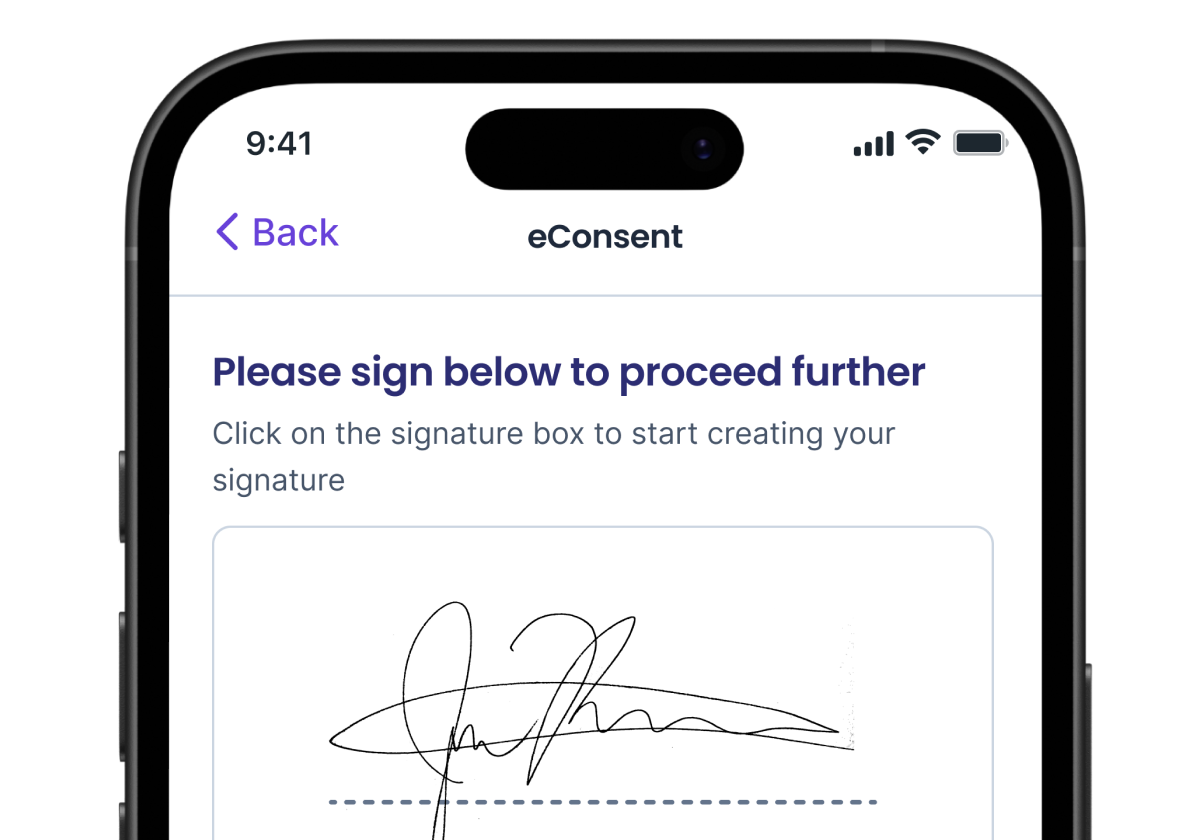


Bring COPD management, home check-ins and follow-up between visits into one connected care pathway.
Collect symptom check-ins, validated questionnaires and action plans in one place. Give patients clear guidance, with your care team leading each next step.

 The WeGuide COPD care journey
Breathlessness, cough, inhaler use and activity each tell part of the story. Bringing them together helps your clinician see how your COPD changes over time.
WeGuide connects your COPD care plan with clear guidance and check-ins between visits, so you can move from coping day to day to staying on top of your breathing with your care team.
From your first review to your action plan, keep the next step within reach.
Share your breathing history and symptoms, and understand what to expect before your COPD review.
Clear information on inhalers, breathing techniques and the action plan agreed with your clinician.

Reminders for the check-ins, questionnaires and appointments agreed with your care team.
Keep guidance and check-ins together, with support from your care team between appointments.

Bring symptom trends and activity updates into a clearer conversation about your next steps.

Bring the things that matter together, for COPD care grounded in your daily life.

Regular check-ins on breathlessness, cough and phlegm help your clinician understand what is usual for you.
Noting how you feel on a regular day helps your care team recognise when things change.
Your clinician may use a COPD questionnaire, such as the COPD Assessment Test, where relevant.

Using an inhaler is a skill. Your care team shows you how and checks your technique over time.
Bring your inhaler to appointments so your clinician can review how you use it.
Take the medicines agreed with your clinician, and raise any concerns or side effects early.

Staying active supports your breathing. Pulmonary rehabilitation combines exercise and education for lung conditions.
Your clinician can tell you whether a pulmonary rehabilitation program is suitable for you.
Agree on realistic activity goals, and share progress or connected activity data where available.

A written COPD action plan, made with your clinician, describes your usual symptoms and what to do if they change.
Your plan describes the changes to watch for and the steps agreed with your care team. For severe breathlessness, contact local emergency services.
After a flare-up, your clinician can review your recovery and update your action plan.
01 / 04
One connected journey, with your clinician guiding each step.
The symptoms that matter
A clinician by your side
Your agreed action plan
Connected between visits
For clinicians
Bring intake, symptom check-ins, patient education and follow-up into one digital journey. Keep COPD care grounded in your clinical approach and the guidance relevant to your patients.

Answers about COPD management, home monitoring and using WeGuide in your practice.
COPD management is the ongoing care of chronic obstructive pulmonary disease, a long-term lung condition that restricts airflow and causes breathing difficulties. COPD cannot be cured, but treatment can slow its progression and help control symptoms. Care usually combines stopping smoking, inhaled medicines, pulmonary rehabilitation, vaccination and regular review with a clinician.
COPD self-management covers the everyday steps a person takes with support from their care team. It usually includes taking medicines as agreed, using the correct inhaler technique, staying active, avoiding smoke and other lung irritants, keeping vaccinations up to date and following a written COPD action plan when symptoms change.
COPD is confirmed with a breathing test called spirometry, which measures how much air you can breathe out and how fast. Clinicians also consider symptoms, history and exposure to smoke, dust or fumes. Short questionnaires such as the COPD Assessment Test and the mMRC dyspnoea scale describe how symptoms affect daily life, and trends over time are more useful than a single score.
COPD usually develops from mid-life onwards, most often in people who smoke or used to smoke. Long-term exposure to dust, fumes, chemicals or smoke from cooking and heating fuels also raises the risk, and a rare genetic condition can cause COPD at a younger age. Anyone with ongoing breathlessness, a lasting cough or frequent chest infections can discuss a breathing test with their clinician.
No. COPD and asthma share symptoms such as cough, wheeze and breathlessness, and some people have both conditions. In COPD, airflow obstruction is persistent and often progressive, and it usually develops over many years after smoking or other exposures. A breathing test and a clinical review help a clinician tell the two apart and plan the right care.
Parts of COPD care can be supported remotely, including symptom questionnaires, education, check-ins and some pulmonary rehabilitation and self-management support. Spirometry, physical examinations and some reviews need an in-person appointment. The care team decides which steps suit remote follow-up, guided by local services and guidance.
COPD home monitoring lets a care team review agreed symptom updates and questionnaire results between appointments. WeGuide brings scheduled questionnaires, reminders, patient education and check-ins into the digital journey configured by the care team, with activity data from connected health apps and wearables where available. Worsening breathing is managed through the COPD action plan and local emergency services, as WeGuide does not monitor emergencies.
The clinician and patient agree on next steps, which may include a written COPD action plan, medicine changes, pulmonary rehabilitation and a follow-up schedule. The action plan describes usual symptoms and what to do if they change. WeGuide supports this ongoing journey with patient guidance, scheduled check-ins and reminders, as configured by the care team.
Contact WeGuide to discuss your COPD care pathway, patient population and existing workflow. Together, we can identify the intake forms, symptom questionnaires, patient education, follow-up schedule and any integrations needed to support your service. Your clinical team defines the care protocol, the action plan approach and all clinical decisions.
WeGuide pricing depends on the scope of your care pathway, configuration, integrations and support requirements. Contact our team to discuss your COPD service and request a proposal. Clinical consultation, testing and pulmonary rehabilitation fees are determined separately by the care provider.
Request patient access
Not all clinicians are using WeGuide yet. If yours isn't connected, share their practice details so we can discuss access to the COPD management pathway with your care team.
Your clinician guides your COPD care and decides which checks and next steps are right for you.