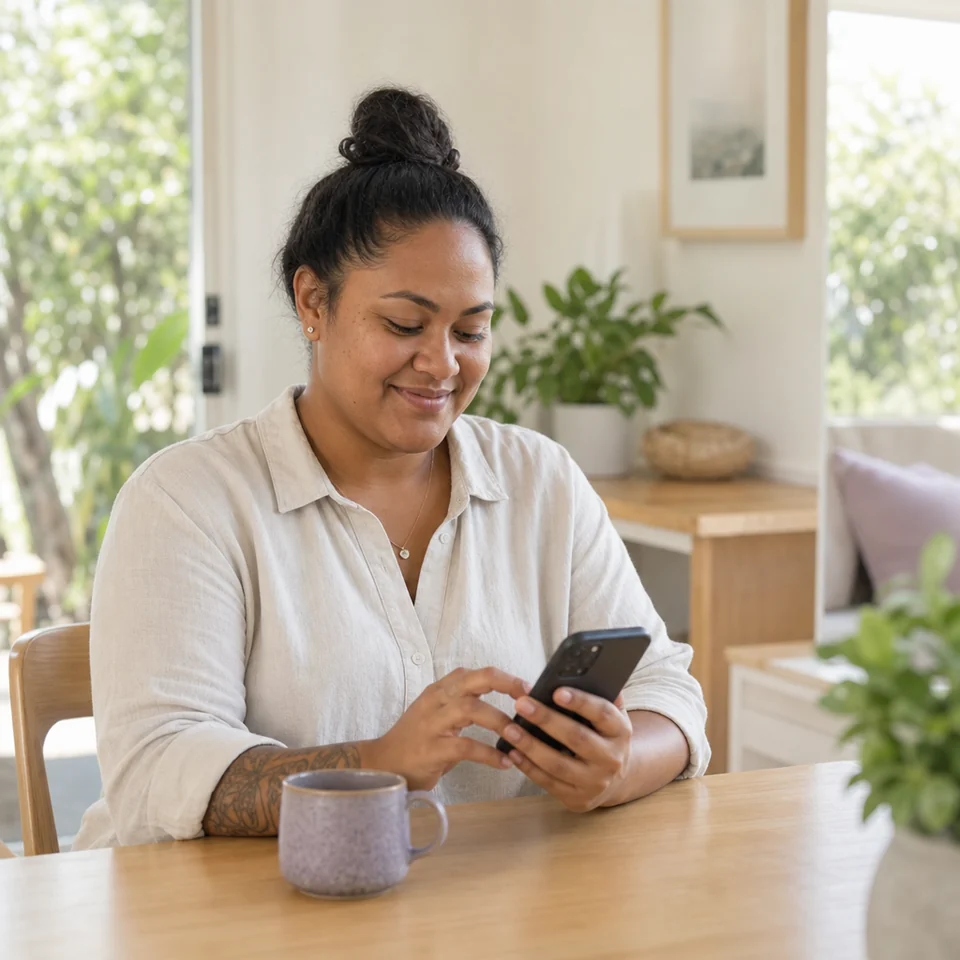
A guided first step
Share your health history and current routine, and understand what to expect before your review.
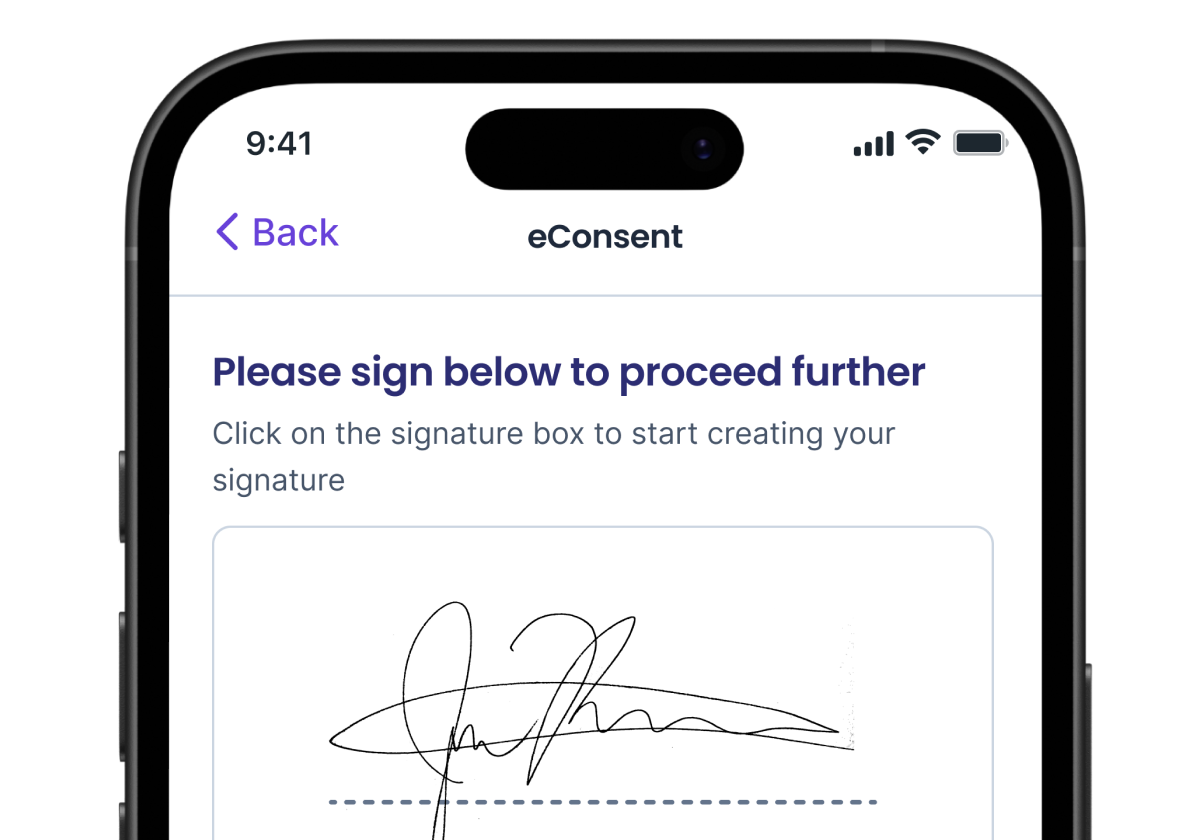


Bring glucose readings, results and everyday self-management into one connected diabetes care pathway.
Collect health history, glucose readings and relevant results. Give your patients clear guidance between reviews, with your care team leading each next step.

 The WeGuide diabetes care journey
Glucose readings, HbA1c results, medicines and daily habits each tell part of the story. Bringing them together helps your clinician see what deserves attention.
WeGuide connects your reviews with clear guidance, reminders and check-ins, so you can move from a care plan on paper to taking the next step with your diabetes care.
From your first review to everyday self-management, keep the next step within reach.
Share your health history and current routine, and understand what to expect before your review.
Clear information about glucose, food, activity and the medicines agreed with your clinician.

Reminders for the readings, medicine check-ins and appointments agreed with your care team.
Keep guidance and check-ins together, with your agreed readings in one place.

Bring relevant readings and updates into a clearer conversation about your progress and next steps.

Bring the factors that matter together, for diabetes care grounded in you.
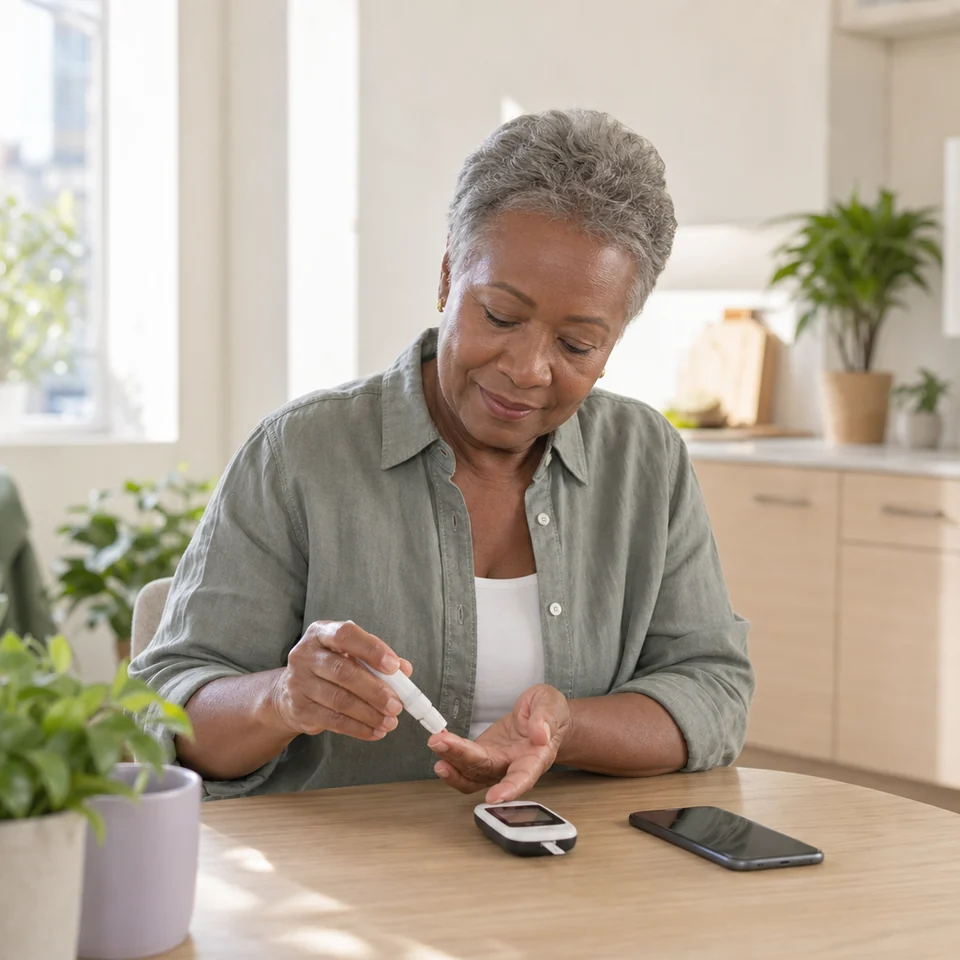
Glucose readings and HbA1c results help your clinician understand how your current care plan is working.
Your clinician explains whether home glucose checks are needed, and how and when to take them.
Home readings and HbA1c results are reviewed together, alongside your history and routine.

Your clinician agrees the medicines that suit you. Reminders and check-ins help you follow the plan between reviews.
Check-ins on the medicines and timings agreed with your clinician, set up by your care team.
Note any side effects or concerns, so your care team can review them as agreed.

Eating patterns, physical activity and weight are part of the bigger picture. Start with the changes that feel realistic.
Set practical food, activity and weight goals with guidance from your care team.
Steps and activity can sync from connected health apps and wearables where available.

Living with diabetes can feel demanding. Validated questionnaires help your care team understand what is weighing on you.
Questionnaires such as PAID or the Diabetes Distress Scale can be scheduled as agreed.
Reminders for the eye, foot and kidney checks agreed with your care team.
01 / 04
One connected journey, with your care team guiding each step.
The information that matters
A clinician by your side
Goals that fit your life
Connected between your reviews
For clinicians
Bring intake, glucose readings, validated questionnaires and patient education into one digital journey. Keep the pathway grounded in your clinical approach and the guidance relevant to your patients.

Answers about type 2 diabetes care, remote follow-up and using WeGuide in your practice.
Type 2 diabetes management is the ongoing care that helps keep blood glucose, blood pressure and cholesterol in the ranges agreed with a health care team. In type 2 diabetes, the body does not make enough insulin or does not use it well. Management usually combines healthy eating, physical activity, weight management, medicines when needed and regular checks.
A diabetes care plan usually covers personal targets for HbA1c, blood pressure and cholesterol, an eating and activity plan, any medicines, and how and when to check blood glucose. It also includes routine checks of the eyes, feet and kidneys, and support for emotional wellbeing. The care team tailors the plan to the person and reviews it over time.
The HbA1c blood test is the main test used in diabetes management. It reflects average blood glucose over the past 3 months. Some people also check their glucose at home with a meter or a continuous glucose monitor, as recommended by their care team. Targets and testing frequency are individual and follow local guidance.
A diabetes management program is for people living with type 2 diabetes, whether they were recently diagnosed or have managed it for years. Structured diabetes education is recommended for everyone with type 2 diabetes, to build the confidence and skills needed for daily self-management. The format and timing depend on the service and local guidance.
No. In type 1 diabetes, the immune system destroys the cells in the pancreas that make insulin, so the body makes little or no insulin. In type 2 diabetes, the body does not make enough insulin or does not use it well. Type 2 is the most common type of diabetes. The causes differ, and so do the care plans a clinician recommends.
Many parts of type 2 diabetes management can be supported remotely, including health-history questionnaires, home glucose readings agreed with a clinician, education, check-ins and video consultations. HbA1c and other blood tests, eye screening and foot examinations need a local appointment. The care team decides which steps suit remote follow-up.
Digital follow-up helps a care team stay in touch between reviews, collect agreed readings and patient-reported updates, and share education when it is relevant. WeGuide brings scheduled questionnaires, reminders, patient education and check-ins into the digital journey configured by the care team. Patients enter their glucose readings in the app, and activity can sync from connected apps where available.
After a review, the clinician and patient agree on next steps, which may include updated targets, food and activity goals, medicine discussions and the timing of the next checks. Follow-up helps the care team see how the plan is working. WeGuide supports this ongoing journey with patient guidance, scheduled check-ins, reminders and relevant updates for the next review.
Contact WeGuide to discuss your diabetes care pathway, patient population and existing workflow. Together, we can identify the intake forms, validated questionnaires, patient education, follow-up schedule and any integrations needed to support your service, such as bringing in lab results. Your clinical team defines the care protocol and treatment decisions.
WeGuide pricing depends on the scope of your care pathway, configuration, integrations and support requirements. Contact our team to discuss your service and request a proposal. Clinical consultation, testing and treatment fees are determined separately by the care provider.
Request patient access
Not all clinicians are using WeGuide yet. If yours isn't connected, share their practice details so we can discuss access to the type 2 diabetes management pathway with your care team.
Your clinician guides your diabetes care and decides which checks, medicines and next steps are right for you.