A guided first step
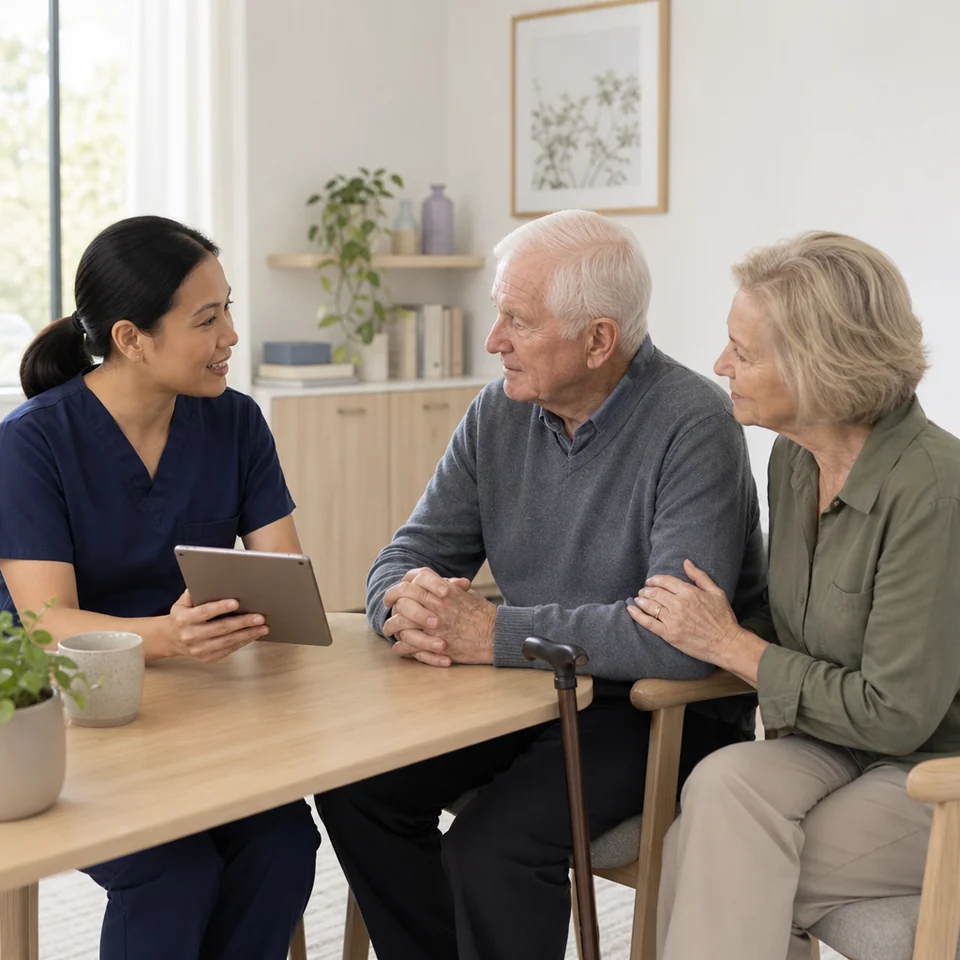
Share your recovery goals, your questions and what home life looks like before your first follow-up.
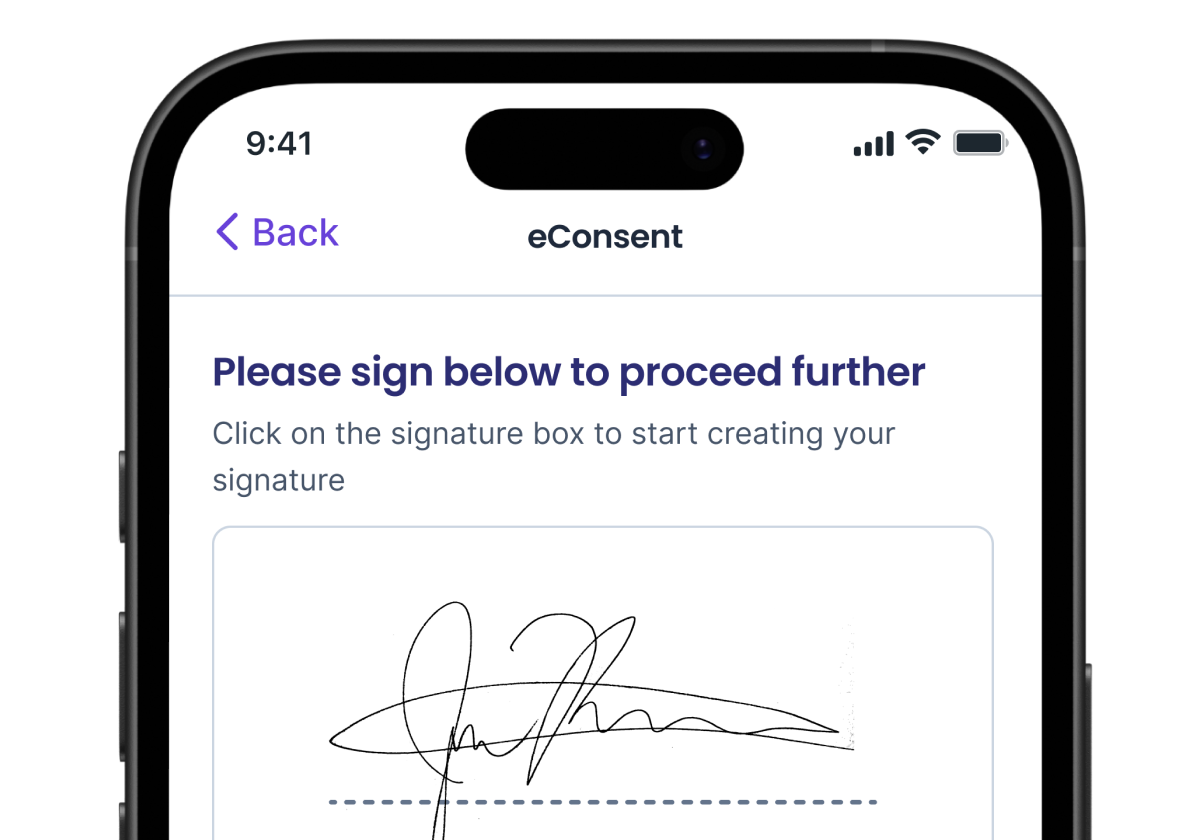


Bring education, home exercise reminders and check-ins after a stroke into one connected care pathway.
Share how your days, energy and mood are going. Get clear guidance after leaving hospital, with your stroke and rehabilitation team leading each next step.
 The WeGuide stroke recovery journey
Movement, communication, energy and mood can all change after a stroke. Between therapy sessions, small gains and harder days can be difficult to remember and describe.
WeGuide connects your rehabilitation plan with clear guidance and regular check-ins, so you can move from leaving hospital to the goals you set with your team.
From leaving hospital to your next therapy review, keep your plan and your next steps within reach.
Share your recovery goals, your questions and what home life looks like before your first follow-up.
Clear information on stroke, recovery, fatigue and emotional changes, in your language where offered.

Reminders for the home exercises, check-ins and appointments agreed with your therapy team.
Keep guidance, check-ins and messages together, with a family member or carer involved if you agree.

Bring exercise, activity, mood and fatigue updates into a clearer conversation at your next review.

Bring the parts of recovery that matter together, so your rehabilitation team sees how your days at home are going.
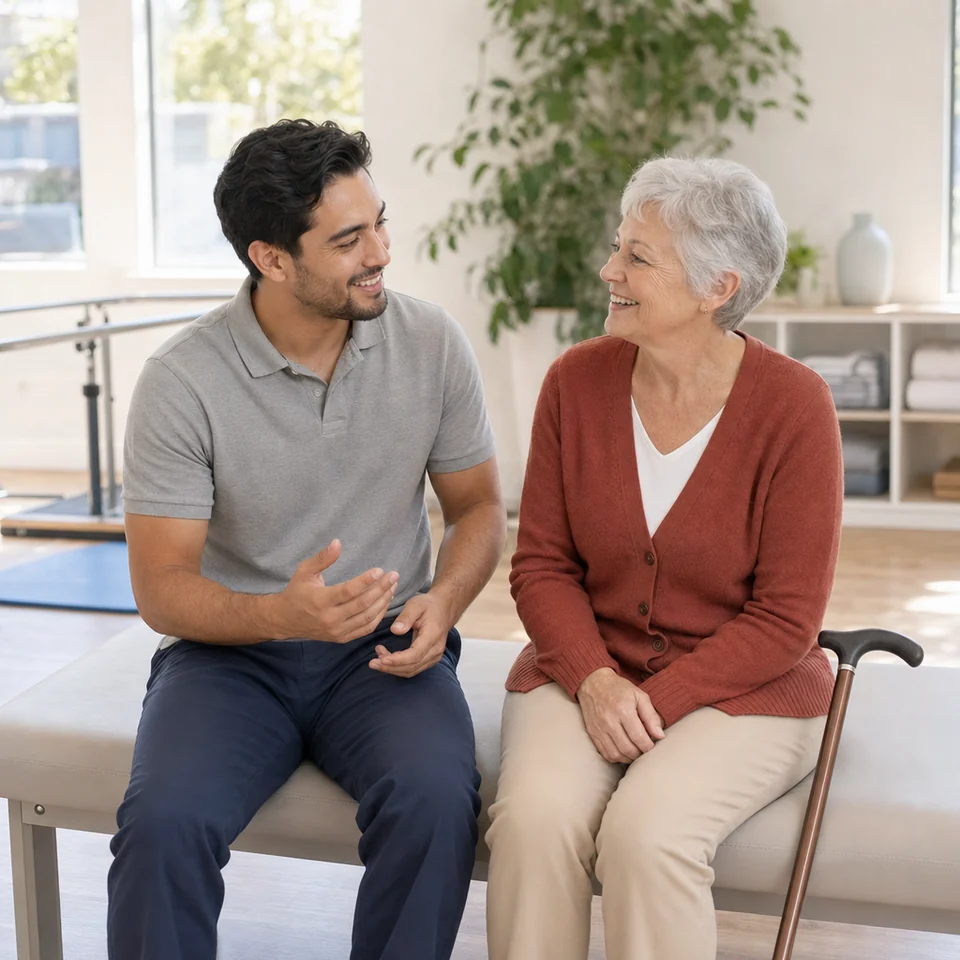
Your therapist sets your home exercise program. Reminders and a simple log help you keep up the practice between sessions.
Your therapist decides which exercises you do, how often, and how to progress them safely.
Where agreed, steps from Apple Health, Health Connect or Garmin add to the picture.
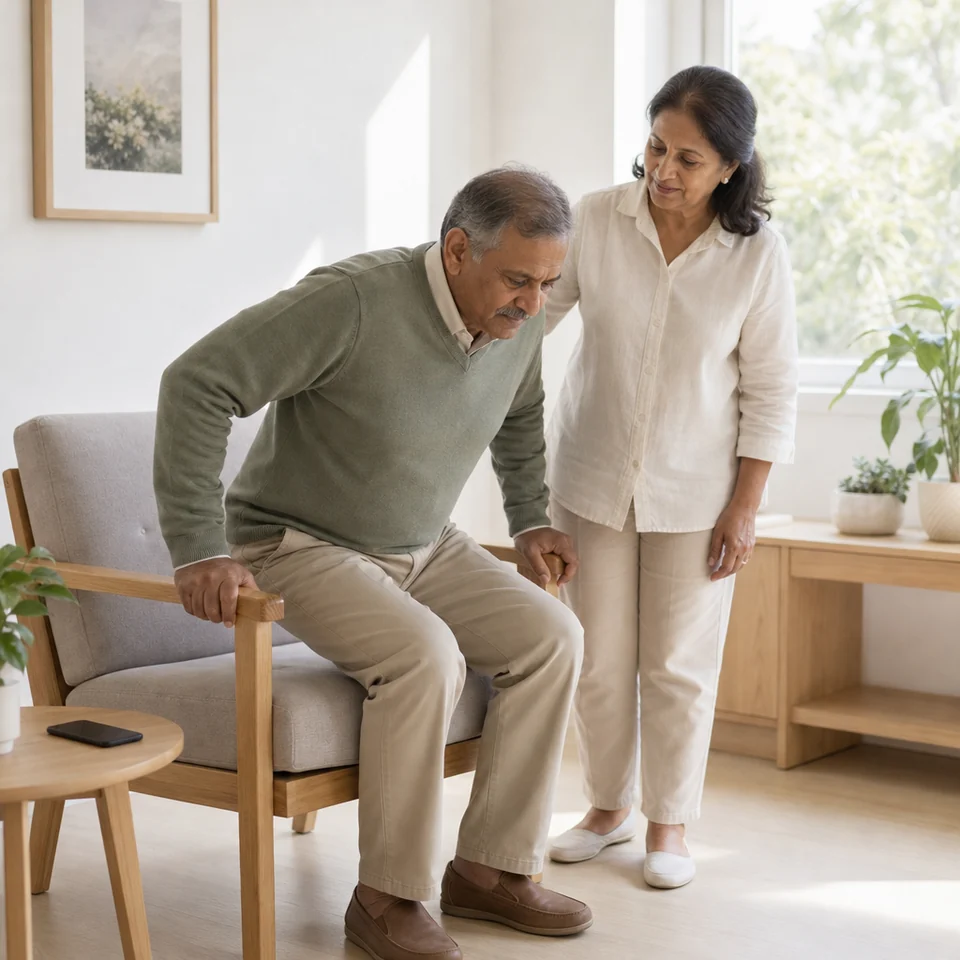
Changes in fatigue, memory and communication are common after a stroke. Check-ins can be kept short, simple and easy to answer.
Your care team can keep questions brief, with a carer helping to answer where you agree.
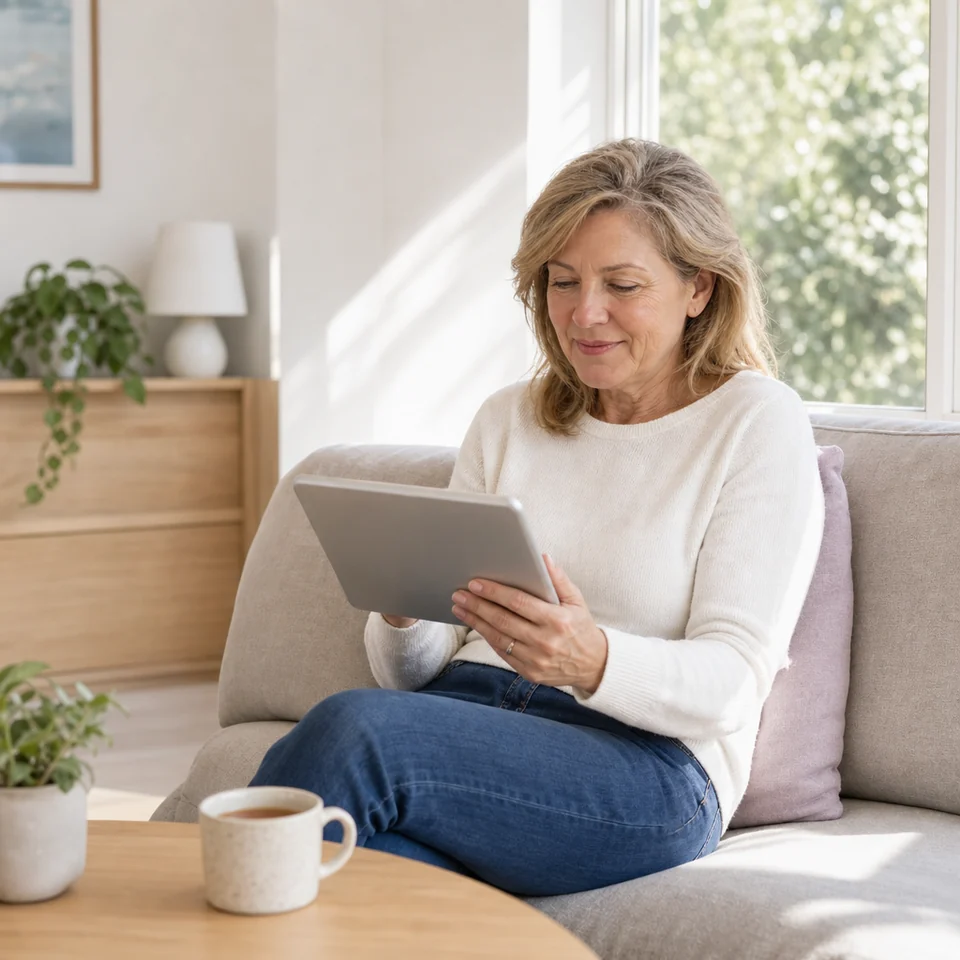
Education can come as short articles or videos, in your preferred language where offered.
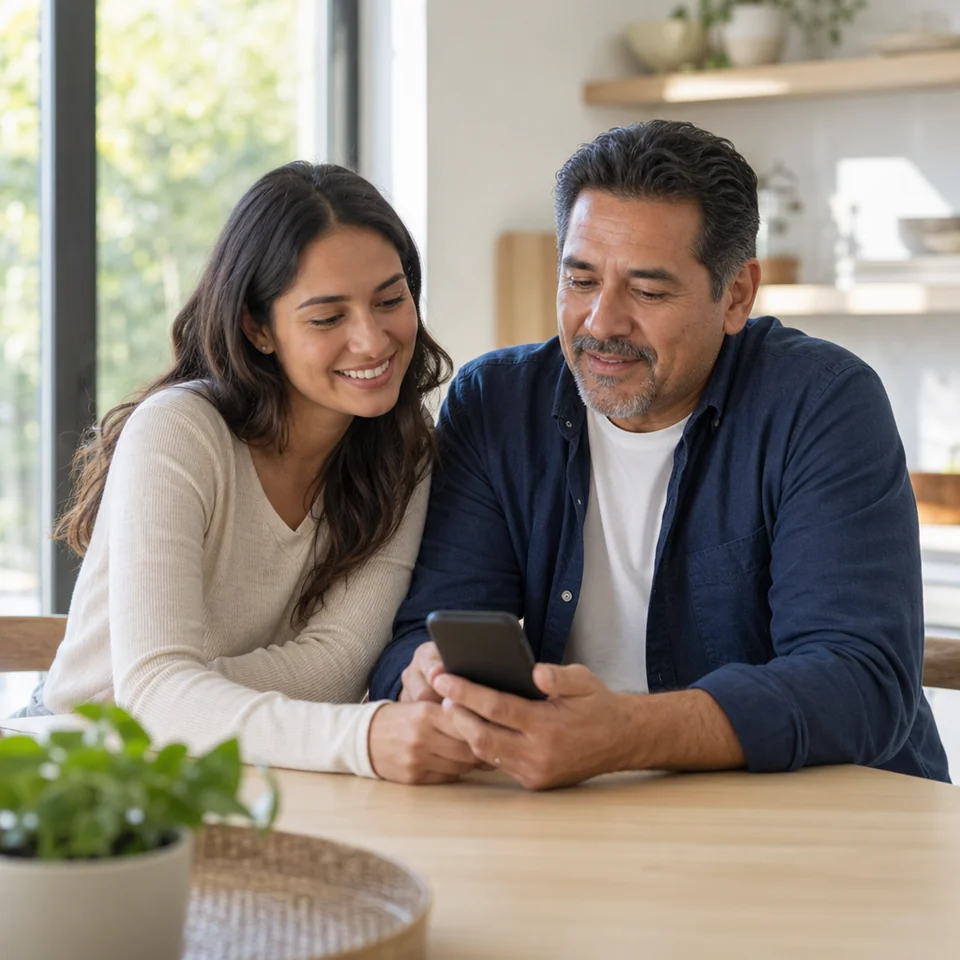
Low mood, worry and emotional changes are common after a stroke, for you and your family. Your care team can include them.
Share how you have been feeling, and what helps on the harder days, in regular check-ins.
Your care team decides whether further assessment, psychological support or referral is right.
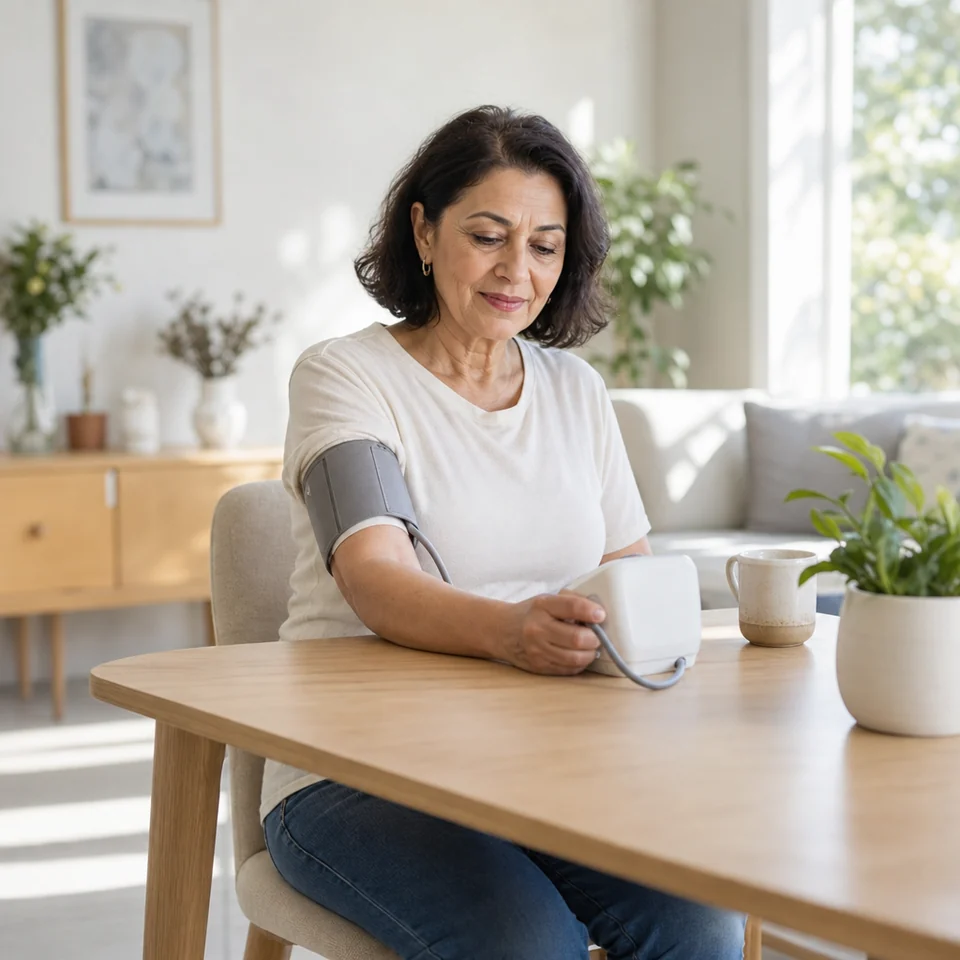
Blood pressure, medicines agreed with your clinician and everyday habits all play a part in reducing the risk of another stroke.
If your clinician asks for home readings, enter them from a validated home blood pressure device.
Agree realistic steps on activity, eating, smoking and alcohol with your care team.
01 / 04
One connected journey, with your stroke and rehabilitation team guiding each step.
Information to come back to
Therapists guiding each step
Built around your daily life
Connected between therapy sessions
For clinicians
Bring discharge information, home exercise logs, patient-reported check-ins and education into one digital journey. Keep rehabilitation grounded in your team's assessments, your therapy approach and local guidance.

Answers about stroke recovery, rehabilitation at home and using WeGuide in your service.
Stroke recovery is the process of regaining abilities and adapting to changes after a stroke. It depends on how much the stroke has affected a person physically and mentally. For some people, recovery takes days or weeks; for others, it takes months or years and may mean changes at home or work. Rehabilitation is vital to stroke recovery, and with it most people are able to recover some function.
Stroke rehabilitation helps people relearn skills such as walking, using language and thinking clearly, or find new ways to manage. It is led by a multidisciplinary team that can include doctors, nurses, physiotherapists, occupational therapists, speech and language therapists and psychologists. Plans may cover movement, communication, swallowing, vision, memory and mood, with goals that are meaningful to the person.
Progress is reviewed against the person's rehabilitation goals at regular intervals. The team uses standardised assessments, and measures such as the modified Rankin Scale and the Barthel Index to describe independence in daily life. People may also complete questionnaires such as the Stroke Impact Scale. Fatigue affects about half of stroke survivors, so a fatigue questionnaire such as the Fatigue Severity Scale may be considered.
A stroke recovery program is for people with ongoing rehabilitation needs after a stroke, and the family members and carers who support them. Rehabilitation usually starts in hospital and can continue in outpatient clinics, at home or in other settings, for as long as it helps the person reach their goals. Services, eligibility and referral routes differ by country and local service.
Not quite. Stroke recovery describes the changes a person goes through as the brain and body adapt after a stroke, which can continue over months or years. Stroke rehabilitation is the set of interventions, delivered by a care team, designed to optimise functioning and support that recovery. It helps people relearn lost skills and find new ways to manage abilities that remain affected.
Parts of stroke rehabilitation can be supported remotely, including education, check-ins, home exercise reminders and some therapy by video, where the person agrees and it fits their goals. People taking part need the right equipment and support to use it, and their progress and mood should be monitored. Hands-on therapy and many assessments need an in-person appointment. The care team decides which steps are suitable.
Digital follow-up keeps a rehabilitation team in touch with people between sessions. WeGuide brings education, reminders and a log for the home exercises the therapist sets into a journey the care team configures, with check-ins on mood, fatigue, sleep and daily activities, and step data from Apple Health, Health Connect or Garmin where available. WeGuide is not for emergencies: sudden face drooping, arm weakness or speech problems need emergency services straight away.
The team agrees a recovery plan with the person and, where appropriate, their family or carers, and reviews it regularly. Reducing the risk of another stroke, through blood pressure checks, agreed medicines and everyday habits, becomes part of daily life. WeGuide supports this with education, check-ins and readings entered from a validated home device.
Contact WeGuide to discuss your stroke rehabilitation service, patient population and existing workflow. Together, we can identify the intake forms, patient education, home exercise logs, check-in schedule, carer access and any integrations needed to support your team. Your clinical team defines the rehabilitation protocol, the exercises and all care decisions.
WeGuide pricing depends on the scope of your care pathway, configuration, integrations and support requirements. Contact our team to discuss your service and request a proposal. Clinical consultation, therapy and rehabilitation fees are determined separately by the care provider.
Request patient access
Not all care teams are using WeGuide yet. If yours isn't connected, share their practice details so we can discuss access to the stroke recovery pathway with your rehabilitation team.
Requesting access does not book an appointment. Your rehabilitation team decides which exercises, check-ins and next steps are right for you.