


Pain Catastrophizing Scale (PCS): Measuring Distress
The Pain Catastrophizing Scale is a tool that measures negative thoughts about pain. It helps doctors assess how patients cope with chronic conditions to guide effective treatment plans.


Pain Catastrophizing Scale (PCS)
The Pain Catastrophizing Scale (PCS) is a 13-item self-report tool that assesses negative thinking patterns about pain. By measuring rumination, magnification, and helplessness, it helps doctors understand a patient's coping mechanisms. This evaluation is essential for effective chronic pain treatment plans.
Category
Disease
Source
What is Pain Catastrophizing Scale (PCS)

The Pain Catastrophizing Scale (PCS) is a key tool for assessing negative thoughts about pain. It helps clinicians spot distress patterns early on. This 13-item questionnaire evaluates the specific feelings and thoughts tied to pain experiences. It looks closely at how patients handle painful situations mentally. It breaks down into three distinct subscales covering rumination, magnification, and helplessness. Patients rate thoughts on a simple 5-point scale ranging from "not at all" to "all the time," showing exactly where a person might be struggling the most. Clinicians frequently use the PCS in chronic pain management and physical therapy settings. It is quick to administer and score, so it fits well in busy clinics. Understanding these scores helps teams plan better treatments like cognitive behavioural therapy or targeted pain education programs.
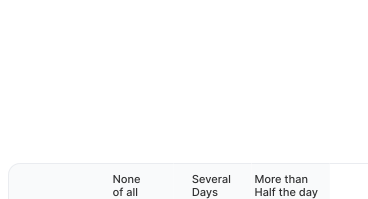
The Pain Catastrophizing Scale can be scored using two main approaches: a total sum or subscale analysis. 1. Total Score: You simply add up the ratings from all 13 items, which are ranked from 0 to 4. This gives a final number between 0 and 52, where higher scores suggest more intense catastrophic thinking. A score above 30 often flags a clinical concern. 2. Subscale Scores: You can also break it down into three specific areas: Rumination, Magnification, and Helplessness. By summing specific items for each, clinicians get a clearer picture of the patient's mindset.
Advantages

Develops personalised strategies based on assessment data.
.svg)
Measures healthcare intervention results systematically.
.svg)
Streamlines research data gathering process.
.svg)
Serves diverse clinical needs effectively.
.png)

Related Instruments

Digital counterpart
Digital biomarkers that measure the same thing with sensors rather than a questionnaire.
Collect Pain Catastrophizing Scale data with WeGuide, the all in one patient engagement platform
.jpg)

Support Your patient in no time - all under your own brand
Our platform combines the knowledge of 100+ digital health solutions built, letting you easily build your patient engagement app for research or clinical use. Collect PROMs, support patients on waiting lists, or gather vital signs data. This is how:
Learn More.png)
Program Builder
.png)
.png)
Whitelabelling
.svg)
.svg)
.png)
Turn on components, dependent on your usecase
.svg)
.png)
Support The Full Journey
.png)
.png)
%20(1).png)
.png)
It’s your turn
Every WeGuide project, saves researchers and clinicians - 9 months and $450,000 - creating impactful digital health solutions.
