

4G Clinical alternatives for trials where randomisation is only one part of the participant journey
4G Clinical builds randomisation and trial supply software, and it's very good at that job. If you need an RTSM, the alternatives below are like for like. If you came here looking for patient engagement and retention technology, that's a different job: WeGuide runs the participant side of a study, from eConsent to wearables, under your own brand and alongside whichever RTSM you use. And if 4G Clinical is the right fit for your protocol, we'll say so.
No pressure, no hard sell. A 30 minute walkthrough with a research colleague who's built platforms like yours.

Where WeGuide differs
Built for the participant, not the drug supply
Engagement that keeps people enrolled
Designed to sit alongside your RTSM
Used by leading research and medical institutes.


Why research teams look for a 4G Clinical alternative
The short version
4G Clinical does one job and says so plainly: randomisation and trial supply management. Its Prancer RTSM assigns patients to treatment arms, protects the blind, manages dispensing and resupply across sites and depots, and forecasts drug demand, while 4C Supply adds scenario modelling and long range supply planning. It serves biotech and pharma sponsors and CROs, from early phase studies to large multi country programmes.
Why teams look elsewhere
Teams look at alternatives for two quite different reasons. The first is a straight RTSM comparison. Some sponsors want randomisation and supply inside the same platform as their EDC, some want IRT and eCOA from one vendor, and some simply want a second quote for the next programme. If that's you, the shortlist further down this page is like for like, and WeGuide isn't on it as a replacement. WeGuide has a separate randomisation tool, but it doesn't manage drug supply, so it isn't an RTSM.
The second reason is patient engagement and retention. In 2021, when 4G Clinical raised growth funding from Goldman Sachs Asset Management, its CEO told Fierce Biotech that part of the investment would go downstream into patient engagement solutions. Today its product pages describe RTSM, forecasting, reporting and integrations, and they don't describe a participant app, eConsent or ePRO. In a January 2026 interview its CEO said the company partners on every study rather than building adjacencies in eClinical. So if your evaluation is about keeping participants consented, reporting and enrolled, you're looking for a different category of tool.
That category is where WeGuide sits. It's patient engagement software for research and care: eScreening, eConsent, ePRO and eCOA, wearable data, telehealth and engagement in one whitelabel app that participants download under your organisation's name. The same platform serves hospitals and clinics that want patients engaged between visits, not only trial sponsors.
A simple test helps. If the question keeping you up at night is whether the right kit reaches the right site before a randomised patient's next visit, you need an RTSM, and 4G Clinical was designed for exactly that. If the question is whether participants will still be consented, reporting and wearing their device in month nine, you need a participant platform, and WeGuide was designed for that one. Most phase II and III trials need both.
Key differences between WeGuide and 4G Clinical
For teams that came to 4G Clinical looking for patient engagement and retention rather than randomisation and supply, here's what WeGuide covers and how it fits next to an RTSM.
Built for the participant, not the drug supply
Engagement that keeps people enrolled
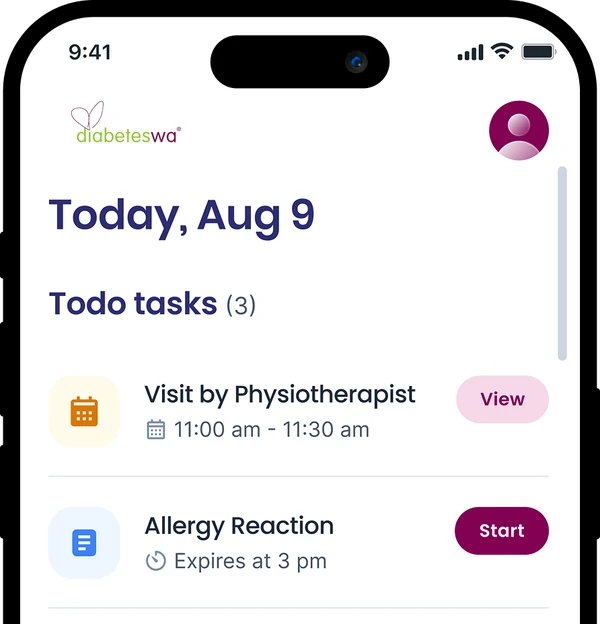
Designed to sit alongside your RTSM
Full comparison: WeGuide vs 4G Clinical
Top alternatives to 4G Clinical in 2026
Here's the shortlist most teams evaluate alongside 4G Clinical. Five can take over randomisation and trial supply, and one is a different kind of tool that works next to any of them. Each has its own sweet spot.




Where WeGuide goes further
For teams that want the participant side of a study in one platform, here's what changes when you move to WeGuide.

Whitelabel apps participants recognise
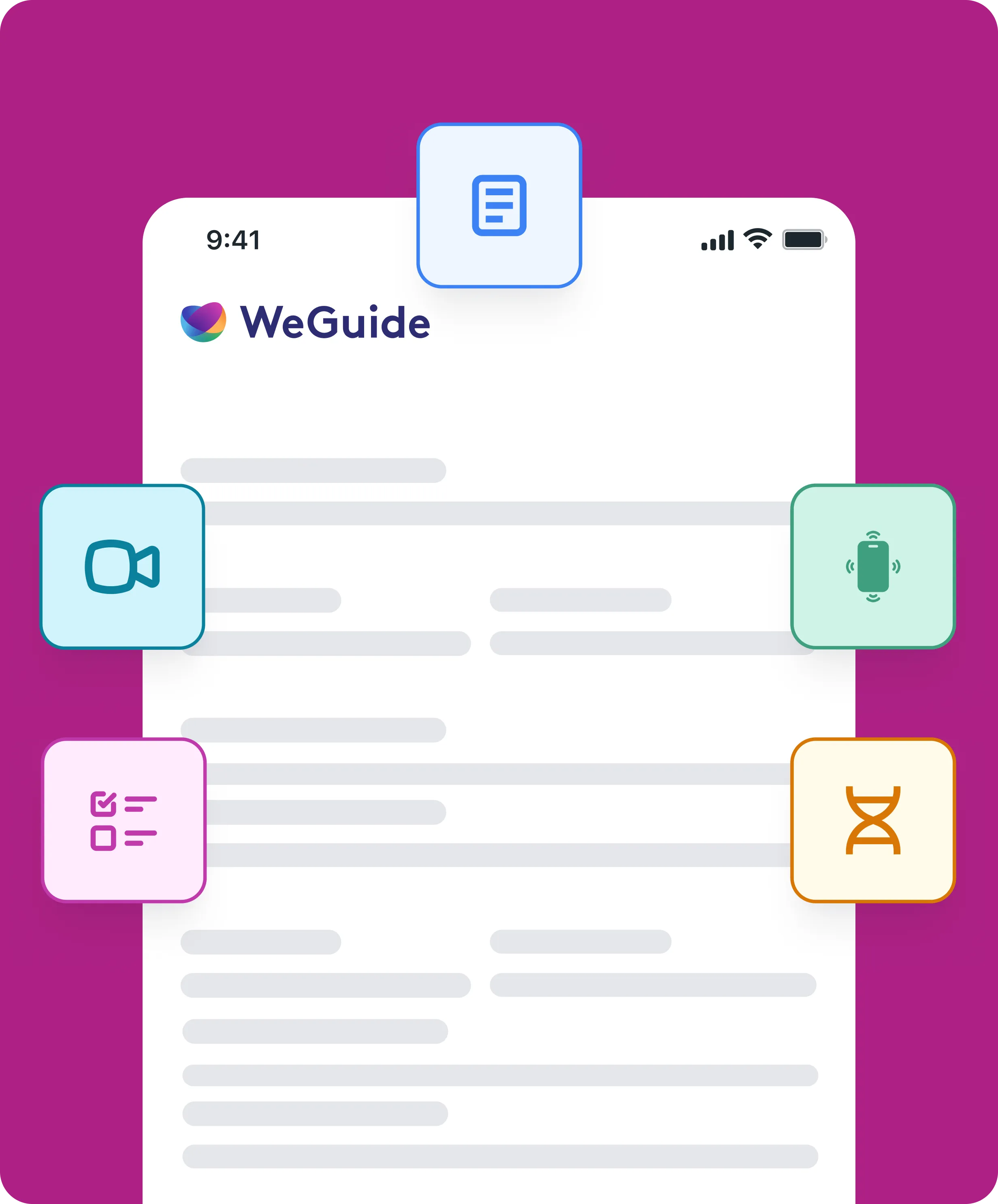
WeGuide ships native iOS and Android apps branded under your organisation's name, published under your own App Store account or through the existing WeGuide app. The app becomes the home of the study, which matters most when you need participants to stay with you for months or years.

Engagement as a core feature, not an add on
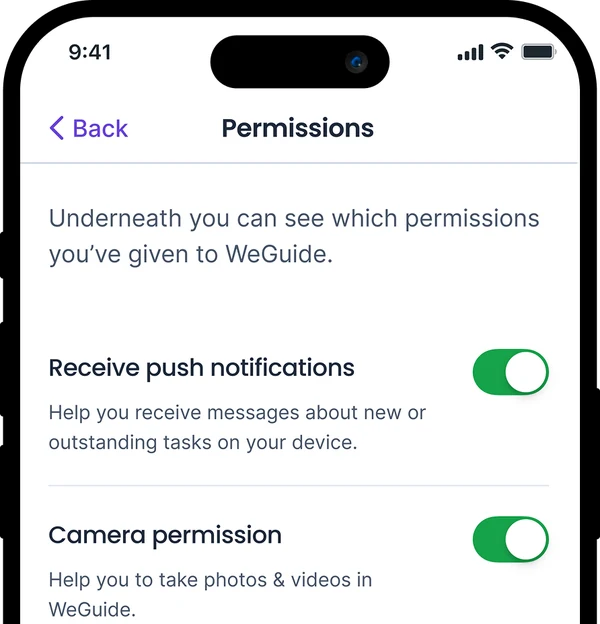
Push notifications, in app messaging, reminders, patient education content and gamification are part of the platform. Engagement is designed around the participant's whole journey, not only around the next scheduled visit.

Native consumer wearables
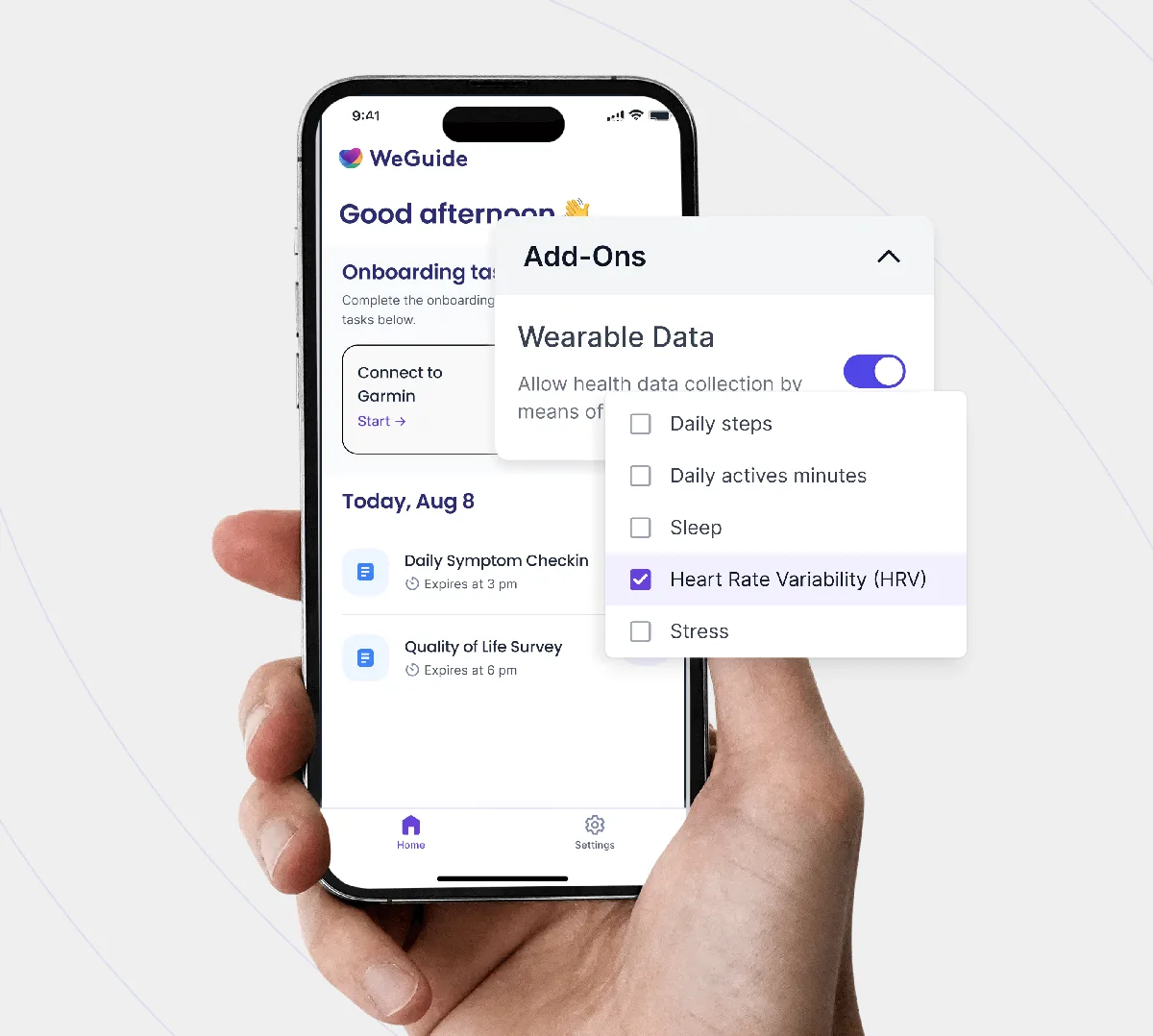
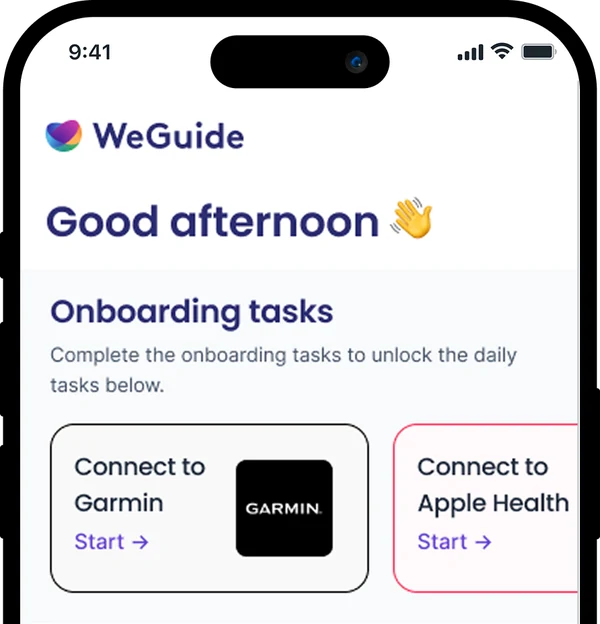
WeGuide has a native Garmin integration that collects raw accelerometer and gyroscope data at 25 Hz on supported models. It also reads Apple Health and Health Connect, and through them gets data from devices such as Apple Watch, Fitbit, Oura and Withings. Participants can use their own device, or one the sponsor provides when the protocol needs it.

eScreening and eConsent in the same app
Screening, consent and ongoing data collection happen in one place. eConsent includes version control, re-consent tracking and an audit trail, and supports legally authorised representatives and multiple signatories, so protocol amendments reach every participant without a paper chase.

Studies your own team can build and change
The no code Program Builder and the Medical Form Builder with conditional logic let research teams configure schedules, forms and content directly, working alongside our delivery team. An AI form builder helps researchers and clinicians create forms faster.

Built for registries and longitudinal cohorts
WeGuide runs the FSHD Global registry and supports long running cohorts. If your programme continues after the trial, or was never a trial in the first place, the same platform carries it, with the same app and the same consent history.

Connects to the research stack you already have
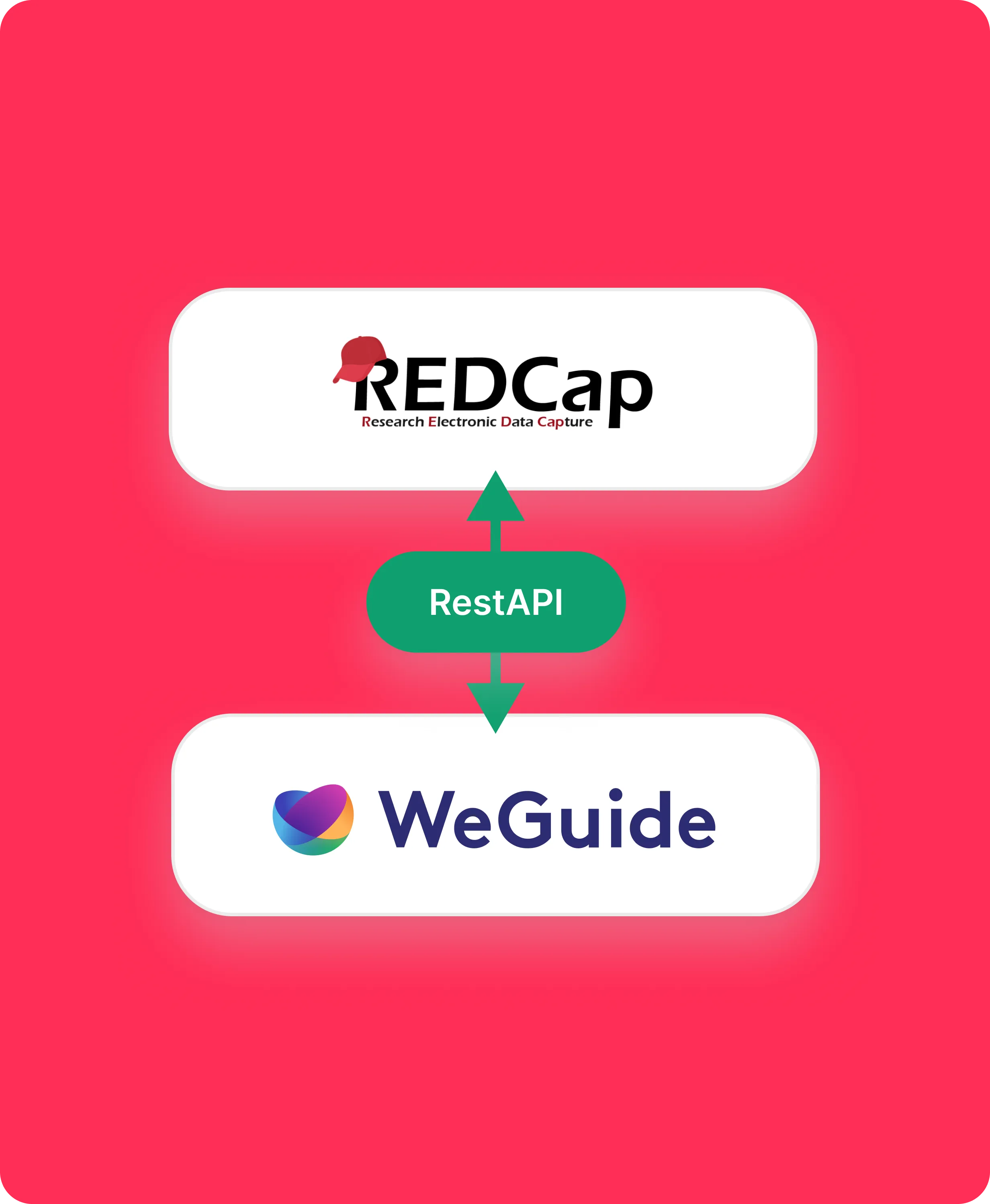
The Integration Engine connects to REDCap through the REDCap API, and to Castor and Medidata Rave, so participant data reaches the database your study already runs without manual re-entry.
Telehealth inside the participant app
Televisits run inside the same whitelabel app participants already use for consent and questionnaires, alongside patient education content, which supports hybrid designs where some visits happen in clinic and others from home.
Compliance your procurement team can check
WeGuide is ISO 27001:2022 certified, supports HIPAA (BAA on request), GDPR and 21 CFR Part 11 requirements, and is Class I medical device software included in the Australian Register of Therapeutic Goods (ARTG 355337). Participant data is hosted encrypted in Australian data centres, and on premise deployment is available if required.
Built for regulated research
Every WeGuide study runs on our managed infrastructure. Your IT team doesn't patch servers, manage backups, or run disaster recovery drills.

TGA Registered

ISO 27001

Data Hosted in Australia

GDPR Compliant
Biometric Security

256-bit AES Encryption
Where 4G Clinical genuinely excels
A narrow focus, stated plainly. 4G Clinical's CEO describes the company's promise as "We will never mis-randomize, stock out, miss dose, or compromise the blind." Randomisation integrity, dosing continuity and supply are the whole job, not one module among many.
Specifications turned into configuration. Prancer RTSM launched in 2016 using natural language processing to read RTSM specifications and build the system from them. Sponsors get sandbox access before formal validation, and amendments move through defined pathways for assessment, versioning, validation and deployment.
Supply forecasting with real depth. Forecasting approaches range from min and max buffers to predictive and dynamic demand models, extended to depot level. 4C Supply adds scenario modelling, production timing and long range planning, and it can run alongside Prancer or third party IRT systems.
Right sized products. Prancer Lite covers simpler protocols, Prancer Inventory Platform handles resupply without full randomisation, Ultima Rand generates randomisation and kit lists, and Prancer Kei is built for the Japanese market's language and regulatory expectations.
Inspection readiness. 4G Clinical holds a SOC 2 Type 2 report covering security, availability and confidentiality for the year to 31 August 2026. It states compliance with 21 CFR Part 11 and EU Annex 11, follows ALCOA++ data integrity principles and keeps audit logs across more than 60 audit tables.
Scale and supply logistics. Its CEO said in January 2026 that the company had launched its 1,000th clinical trial and had around 400 staff. Prancer has supported direct to patient shipping from sites, depots or central pharmacies since 2020, and 4G Clinical integrates every study with an EDC and a shipping partner.
If your trial needs blinded randomisation and investigational product supply, you need an RTSM, and WeGuide isn't one. 4G Clinical is a strong choice for that job, and we'd rather tell you that than pitch WeGuide into a part of the study where it doesn't belong.
When WeGuide and 4G Clinical can work together
Unlike most comparisons on this site, this one isn't a choice between two apps for the same participants. In a randomised controlled trial, 4G Clinical's Prancer RTSM randomises participants, tells sites what to dispense and keeps depots stocked. WeGuide handles what the participant does between visits: screening, consent, ePRO, wearable data, reminders and education. Each system does its own job, and neither duplicates the other.
The same pattern works in a decentralised or hybrid trial, where 4G Clinical ships drug direct to the participant's home and WeGuide keeps that participant engaged and reporting from the same place. How data moves between the two is scoped per study through the Integration Engine.
How the switch works
For teams that already run 4G Clinical for randomisation and supply, or are planning a trial that needs both an RTSM and a participant platform, here's how adding WeGuide typically plays out.
Discovery Call
A 30 minute conversation with one of our research delivery team. We look at your protocol, how participants will take part and which systems you already run. If what you need is randomisation and drug supply, we'll tell you that 4G Clinical or another RTSM is the right tool, and that WeGuide isn't.
Study Configuration
Our team works alongside yours to configure the study in WeGuide: eScreening, eConsent, questionnaires in the Medical Form Builder, schedules and engagement content in the Program Builder. If you're keeping REDCap, Castor or Medidata Rave, we connect the Integration Engine at this stage. Typical timeline: two to four weeks.
Participant Onboarding
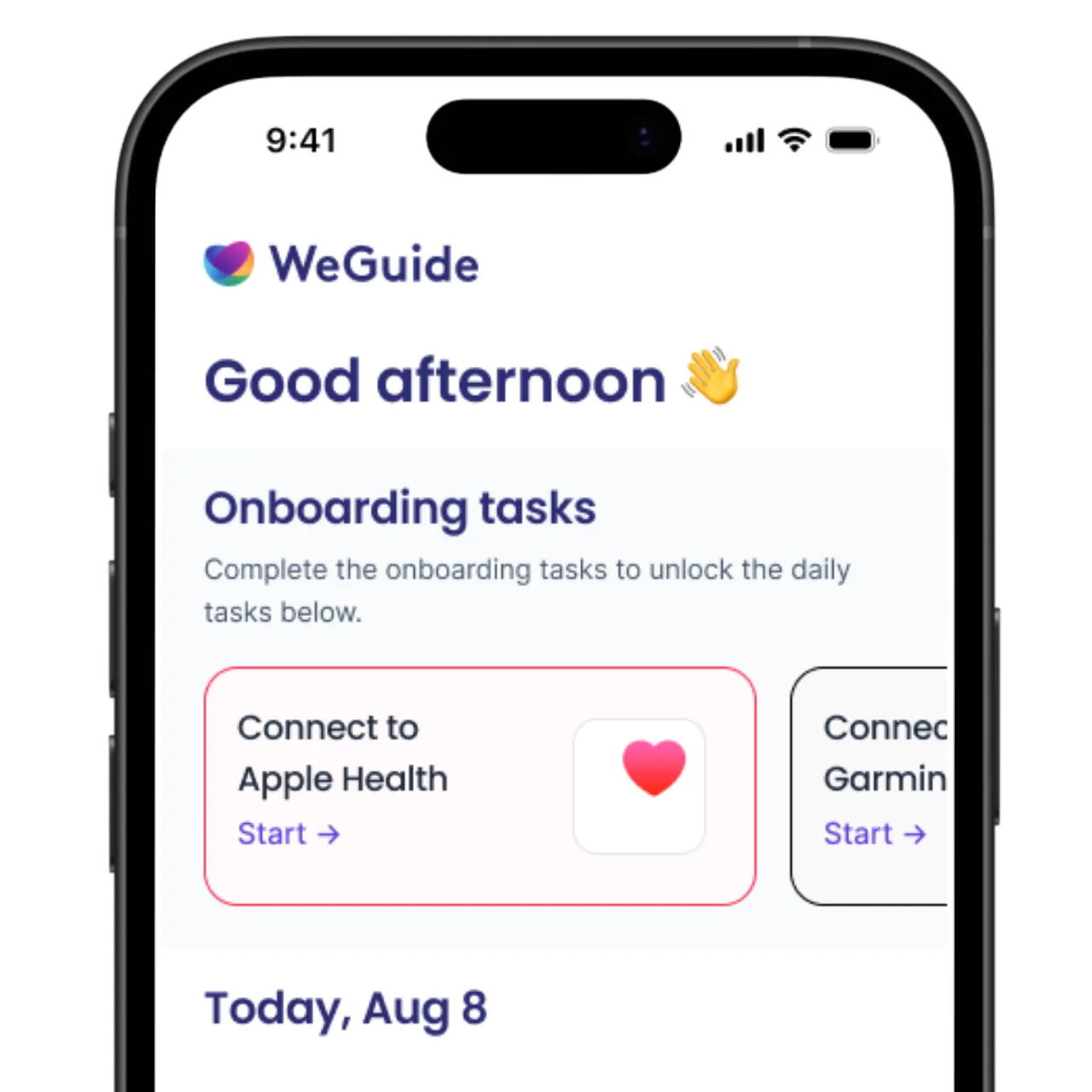
The whitelabel app goes live. Your coordinators invite participants, who download the app under your organisation's brand and move through screening, consent and their first questionnaires in one place, while randomisation and dispensing stay in your RTSM.
Ongoing Support
You get a named delivery contact, not a ticketing queue. We stay involved for the life of the study, including protocol amendments and re-consent.
Case studies: research teams that needed participants to stay engaged
BRACE Trial (Murdoch Children's Research Institute)
Murdoch Children's Research Institute led the BRACE trial, which tested whether the BCG vaccine could protect healthcare workers during COVID-19. More than 6,800 healthcare workers across five countries logged daily symptoms in the WeGuide app, with data flowing into REDCap. The platform was built and deployed in three weeks, and adherence stayed above 90%.
GenV (Generation Victoria)
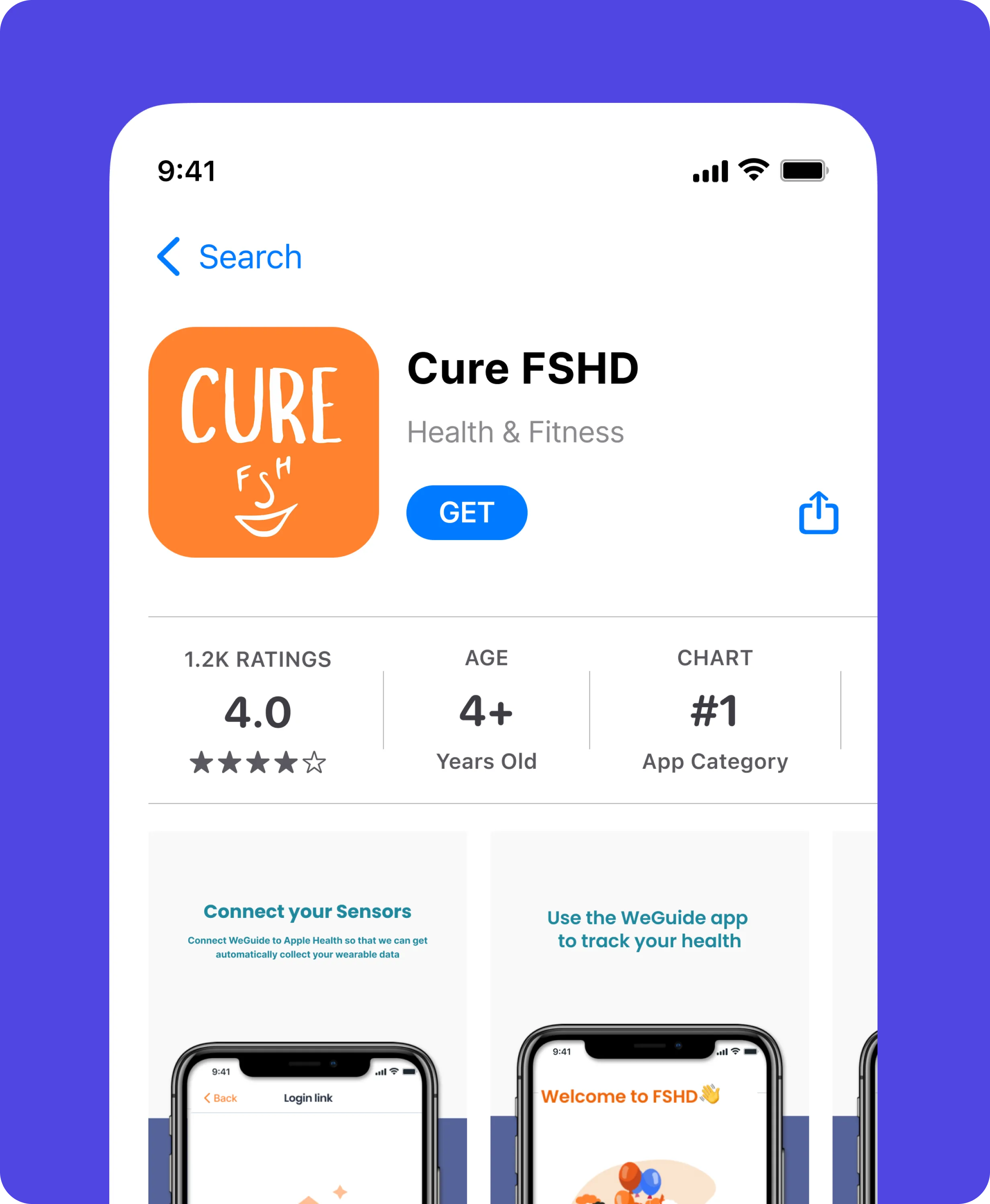
FSHD Global runs a longitudinal patient registry for facioscapulohumeral muscular dystrophy on WeGuide, combining patient reported outcomes with wearable integration. It's the kind of programme that continues for years, with no randomisation schedule to anchor it.
FSHD Global
Generation Victoria (GenV) is a whole of state longitudinal cohort study of children and parents in Victoria, Australia, supported by WeGuide. Keeping families engaged over many years depends on an app they keep on their phones.


Questions
Straight answers on what 4G Clinical does, where WeGuide fits next to it, and when 4G Clinical is the right call.
Contact usWhat is 4G Clinical?
4G Clinical is a randomisation and trial supply management (RTSM) company based in Wellesley, Massachusetts, founded in 2015 by David Kelleher and Ed Tourtellotte. Its Prancer RTSM randomises patients, manages dispensing and resupply, and forecasts drug demand, and 4C Supply adds longer range supply planning. Goldman Sachs Asset Management made a growth investment of more than US$230 million in 2021, and in August 2026 Axios Pro reported that Goldman Sachs Asset Management is selling 4G Clinical, so it is worth asking about ownership plans during procurement.
Does 4G Clinical offer patient engagement or retention software?
Not as a product on its website today. Its product pages describe RTSM, supply forecasting, reporting and integrations, and its CEO said in January 2026 that the company partners on every study rather than building adjacencies in eClinical. Patient engagement and retention sit in a different category of tool: platforms that participants use directly for consent, questionnaires, reminders and wearable data. Our guide to patient engagement in clinical trials explains what to look for.
What are the best alternatives to 4G Clinical?
It depends on why you're looking. For randomisation and trial supply with eCOA and clinician ratings from one partner, Signant Health. For a unified platform that includes randomisation and supply, Oracle Clinical One. For IRT combined with participant payments and travel, Suvoda. For RTSM unified with Rave EDC, Medidata. For IRT and eCOA from one vendor, YPrime. Endpoint Clinical is another RTSM specialist worth a quote. If you're looking for patient engagement and retention rather than RTSM, WeGuide.
Can WeGuide replace 4G Clinical?
No. WeGuide has a separate randomisation tool, but it doesn't offer drug supply management or forecasting. If your study needs blinded randomisation and investigational product supply, keep 4G Clinical or another RTSM for that part, and use WeGuide where the participant experience is the priority.
Can we use WeGuide and 4G Clinical together?
Yes, and in a randomised trial that's the natural set up. 4G Clinical handles randomisation, dispensing and resupply with site and supply teams, while WeGuide handles screening, consent, ePRO, wearable data and engagement with participants. Data exchange is scoped per study through our Integration Engine.
How much does WeGuide cost compared with 4G Clinical?
WeGuide pricing is project based and quoted on request, with all modules included in the core licence. 4G Clinical doesn't publish pricing on its website. Because the two products do different jobs, most teams budget for both rather than choosing between them.
More comparisons
Compare WeGuide with other platforms
Honest, side by side comparisons, grouped by the kind of platform you are weighing up.





eCOA and ePRO





Decentralised trials





Wearables and digital health






Enterprise eClinical





Experience sampling


Site and recruitment

Browse all 31 comparisons
Filter by platform category on the comparisons hub.
Open the hub
See how WeGuide fits your study.
A 30 minute walkthrough with a research colleague, focused on your protocol, your participants and the tools you already run.
