


Bristol Stool Scale: Classifying Stool Form
The Bristol Stool Scale sorts stool into seven types by shape and consistency. Form is a usable proxy for intestinal transit time, which is why the scale exists.

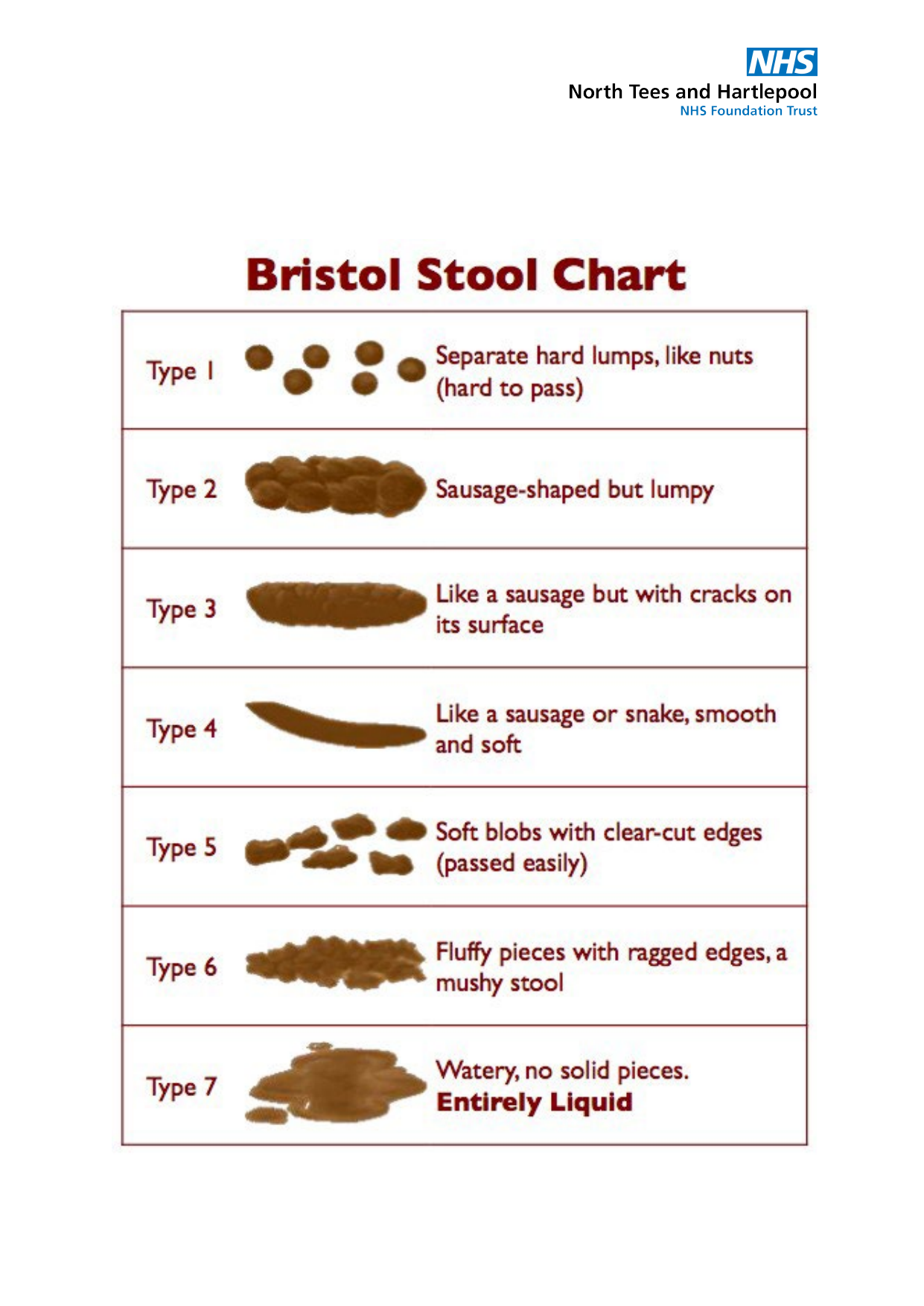
Bristol Stool Scale (BSS)
The Bristol Stool Scale is a seven point visual classification of stool form, from separate hard lumps at type 1 to entirely liquid at type 7. Stool form correlates with intestinal transit time, so the scale gives clinicians and patients a shared, non-embarrassing vocabulary for a symptom that is otherwise hard to describe.
Category
Disease
Source
What is the Bristol Stool Scale

The scale runs from type 1, separate hard lumps that are difficult to pass, through type 3 and 4, which are considered normal, to type 7, watery with no solid pieces. Each type is illustrated, and patients classify their own stools by matching what they saw to the pictures.
It was developed at the University of Bristol from work relating stool form to whole gut transit time, and that relationship is what makes it more than a description. Types 1 and 2 indicate slow transit and types 6 and 7 rapid transit, which is why the scale is used as an outcome in constipation and diarrhoea studies and in the Rome criteria for functional bowel disorders. The visual format also does something a questionnaire cannot: it lets people report a symptom they are often reluctant to describe in words.
There is no total score. Each stool is assigned a single type, and studies typically report the distribution of types over a diary period, or the proportion of stools falling in the normal range of types 3 and 4.
Two points affect data quality. Classification is best done at the time rather than recalled at the end of a week, so a digital diary with the images available at the point of entry produces better data than a retrospective form. And the scale describes form only. Frequency, straining, urgency and sensation of incomplete evacuation are separate symptoms and need separate items; reporting stool form alone as a bowel outcome under-describes the condition.

Advantages
.svg)
Promotes active participation in healthcare assessment.
.svg)
Promotes active participation in healthcare assessment.
.svg)
Measures healthcare intervention results systematically.
.svg)
Streamlines research data gathering process.
.png)

Related Instruments

Digital counterpart
Digital biomarkers that measure the same thing with sensors rather than a questionnaire.
Collect Bristol Stool Scale data with WeGuide, the all in one patient engagement platform
.jpg)

Support Your patient in no time - all under your own brand
Our platform combines the knowledge of 100+ digital health solutions built, letting you easily build your patient engagement app for research or clinical use. Collect PROMs, support patients on waiting lists, or gather vital signs data. This is how:
Learn More.png)
Program Builder
.png)
.png)
Whitelabelling
.svg)
.svg)
.png)
Turn on components, dependent on your usecase
.svg)
.png)
Support The Full Journey
.png)
.png)
%20(1).png)
.png)
It’s your turn
Every WeGuide project, saves researchers and clinicians - 9 months and $450,000 - creating impactful digital health solutions.
