


Leeds Assessment of Neuropathic Symptoms and Signs (LANSS)
The LANSS scale helps doctors identify if pain stems from nerve damage rather than tissue injury. It combines a simple interview with a physical exam to guide correct treatment.


Leeds Assessment of Neuropathic Symptoms and Signs (LANSS)
The Leeds Assessment of Neuropathic Symptoms and Signs (LANSS) is a practical scale for identifying pain of neuropathic origin. It combines a questionnaire with sensory testing to distinguish nerve pain from nociceptive types. This helps clinicians select the best management plans for chronic conditions.
Category
Disease
Source
What is Leeds Assessment of Neuropathic Symptoms and Signs (LANSS)

The Leeds Assessment of Neuropathic Symptoms and Signs (LANSS) is a handy tool for doctors. It helps spot nerve pain quickly in clinical settings. This scale mixes patient questions with a physical checkup. It separates nerve based pain from regular tissue pain, making diagnosis much clearer for everyone involved in care. It covers five symptom questions about strange sensations like tingling or burning plus two exam checks for skin sensitivity. You score it using a simple yes or no format, and a total over twelve points points strongly to neuropathic origins. Clinicians can run through this test at the bedside in just a few minutes. It is brilliant for tracking changes over time or deciding on the right meds. Since it relies on clear physical signs and patient feedback, it gives a solid picture of pain causes, helping teams plan better treatments effectively.
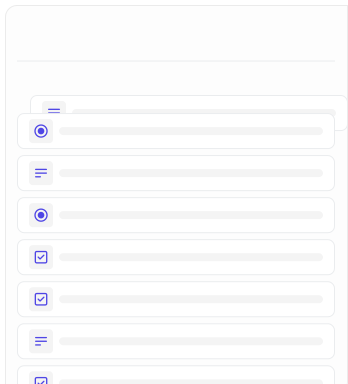
The LANSS Pain Scale can be scored using a single cumulative method that combines interview questions with physical tests. The assessment covers five symptom questions and two clinical sensory tests. You assign specific points for each positive finding, with values weighted from 1 to 5 depending on the item. Negative responses get a zero. Once you finish, add the points for a maximum total of 24. A score of 12 or more suggests neuropathic mechanisms are likely contributing to the pain, helping clinicians spot nerve issues fast.
Advantages

Enables precise identification of patient health status.
.svg)
Simple to understand and complete for patients.

Develops personalised strategies based on assessment data.
.svg)
Strengthens evidence through systematic measurement approaches.
.png)

Related Instruments

Digital counterpart
Digital biomarkers that measure the same thing with sensors rather than a questionnaire.
Collect LANSS neuropathic pain data with WeGuide, the patient engagement platform
.jpg)

Support Your patient in no time - all under your own brand
Our platform combines the knowledge of 100+ digital health solutions built, letting you easily build your patient engagement app for research or clinical use. Collect PROMs, support patients on waiting lists, or gather vital signs data. This is how:
Learn More.png)
Program Builder
.png)
.png)
Whitelabelling
.svg)
.svg)
.png)
Turn on components, dependent on your usecase
.svg)
.png)
Support The Full Journey
.png)
.png)
%20(1).png)
.png)
It’s your turn
Every WeGuide project, saves researchers and clinicians - 9 months and $450,000 - creating impactful digital health solutions.
