A guided first step
Share your symptoms, cycle changes, health history and preferences before your first appointment.


Bring perimenopause and menopause care, symptom diaries and follow-up into one connected care pathway.
Share your symptoms, cycle changes and health history before your first visit, then stay connected between appointments, with your clinician leading each step.

 The WeGuide menopause care journey
Hot flushes, broken sleep, changing periods and low mood can arrive together or one at a time. Seen side by side, they help your clinician understand what is happening for you.
WeGuide keeps your symptom diary, guidance and check-ins in one place, so each appointment can lead to a plan agreed with your clinician.
From your first questions to the plan you agree, keep symptoms, information and next steps in one place.
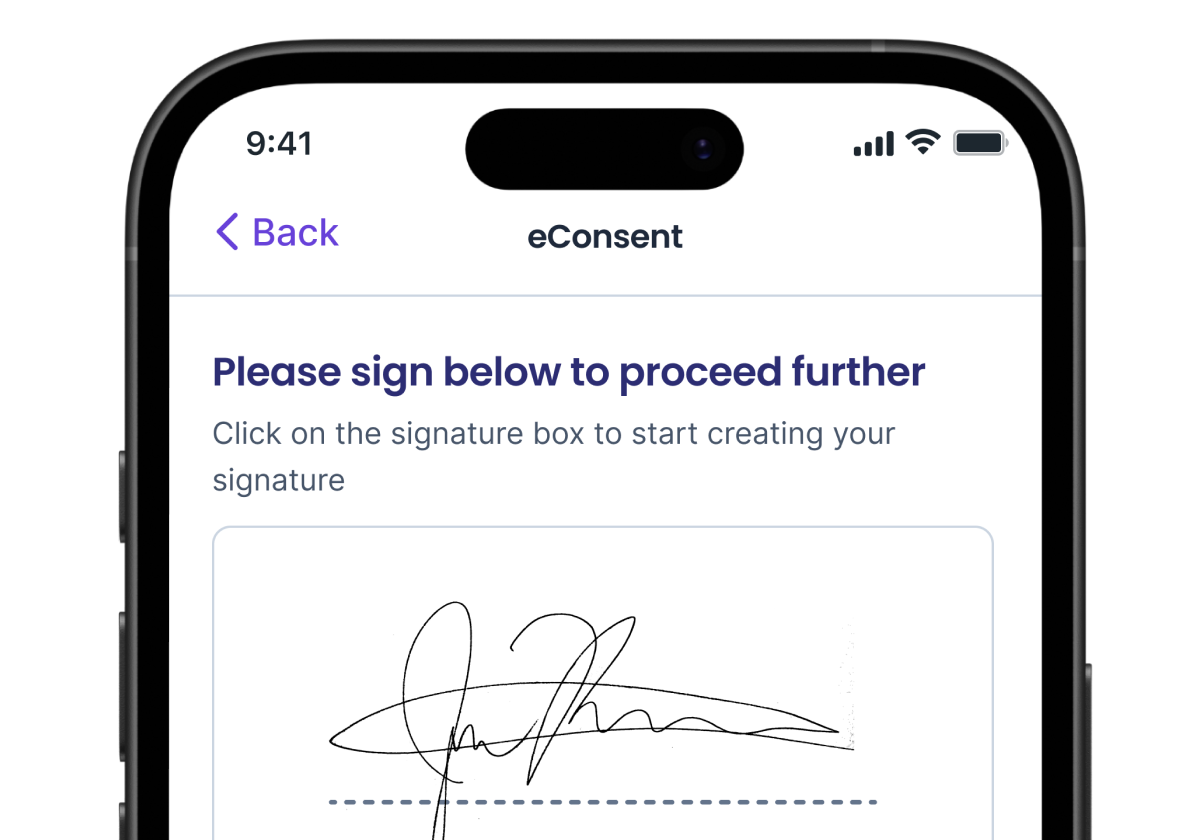
Share your symptoms, cycle changes, health history and preferences before your first appointment.
Clear information about perimenopause, menopause and the options discussed with your clinician.

Reminders for your symptom diary, check-ins and appointments agreed with your care team.
Check-ins between visits, reviewed with your care team as your symptoms change over the months.

Bring your diary entries over time into each review with your clinician, ready to go through together.

Bring the changes you notice together, for menopause care shaped around your own experience.

A symptom diary records hot flushes, night sweats, cycle changes and joint aches, so your clinician can see how they shift over time.
Your clinician chooses what to record, such as how often symptoms happen and how much they bother you.
Sensors that count hot flushes at night remain a research tool. Your diary records how they affect you.

Night sweats and waking early can leave you tired. Recording how you sleep helps your clinician see what deserves attention.
Your care team may use a validated questionnaire such as the Insomnia Severity Index where relevant.
Sleep and activity from a connected wearable, where available, can add context to your diary.

Low mood, anxiety, brain fog and trouble concentrating are common in perimenopause. They are part of the picture, not a side note.
Describe changes in mood, memory or concentration, and how they affect work, home and relationships.
Your clinician discusses suitable options with you, which may include talking therapies or other support.

Menopause is a good moment to review your wider health. Your clinician may discuss bone health, heart health and everyday habits.
Your clinician decides which checks are relevant for you, such as a review of bone or heart health.
Agree on steps for activity, strength, eating and sleep that suit your life and the pace you prefer.
01 / 04
A connected journey through perimenopause and beyond, with your clinician leading each step.
Changes kept in one place
Your clinician reviews and decides
Options discussed with you
Connected between appointments
For clinicians
Bring intake, symptom diaries, sleep questionnaires and follow-up into one digital journey. Keep menopause care grounded in your clinical approach, your patients' preferences and relevant guidance.

Answers about menopause, perimenopause, remote care and using WeGuide in your clinic.
Menopause care is the support that women and people going through menopause receive during perimenopause, menopause and the years after. It usually combines clear information about the changes, help with symptoms that affect daily life, and treatment options chosen with a clinician based on health history, values and preferences. It can also include a review of longer-term health, such as bone and heart health, which can change after menopause.
Menopause management usually starts with information about menopause, common symptoms and changes that can help, such as regular sleep routines, physical activity and a balanced diet. A clinician discusses treatment options, including whether medicines are suitable, and may suggest talking therapy for some symptoms. Advice on contraception and bone health is often part of care, and the plan is reviewed over time.
There is usually no routine test. For people aged 45 or over with typical symptoms, a clinician can often identify perimenopause from symptoms and cycle changes, and menopause after 12 months without a period when hormonal contraception is not being used. Blood tests may be considered in some situations, such as symptoms before the age of 45. A symptom diary can help describe what is happening.
Anyone with symptoms that may be linked to perimenopause or menopause, and who would like to understand their options, can talk to a clinician. This includes symptoms that affect sleep, mood, work or relationships, symptoms before the age of 45, and changes in bleeding, such as heavier bleeding than before. Any bleeding after menopause should be checked by a clinician.
No. Perimenopause is the time leading up to menopause, when periods become irregular and symptoms such as hot flushes often begin. Menopause is reached when periods have stopped for 12 months, and the years after are called postmenopause. Perimenopause can last several years, and pregnancy is still possible during it, so contraception advice remains relevant.
Much of menopause care can be supported remotely, including symptom questionnaires, diaries, patient education and follow-up conversations by video where the care team considers them suitable. Some steps need a local appointment, such as physical examinations and some tests, including checks for unexpected bleeding. The care team decides which steps are suitable for remote care.
WeGuide brings a symptom diary, scheduled questionnaires, reminders and patient education into the journey configured by the care team, with sleep and activity data from Apple Health, Health Connect or Garmin where available. WeGuide is not for emergencies. Bleeding after menopause, or symptoms that worry you, should be raised with your clinician promptly, and urgent symptoms need local emergency services.
The clinician and patient agree on a plan, which may include treatment options, everyday changes, further checks where needed and a time to review how things are going. Keeping the symptom diary helps show whether the plan is helping. WeGuide supports this ongoing journey with check-ins, reminders, video follow-up where offered and information the patient can come back to.
Contact WeGuide to discuss your menopause care pathway, patient population and existing workflow. Together, we can identify the intake forms, symptom diary, sleep questionnaires, patient education, follow-up schedule and any integrations needed to support your service. Your clinical team defines the care protocol, the symptom diary and all care decisions.
WeGuide pricing depends on the scope of your care pathway, configuration, integrations and support requirements, including optional modules such as telehealth. Contact our team to discuss your service and request a proposal. Clinical consultation and treatment fees are determined separately by the care provider.
Request patient access
Not all clinicians are using WeGuide yet. If yours isn't connected, share their practice details so we can discuss access to the menopause care pathway with your clinician or menopause clinic.
Requesting access does not book an appointment. Your clinician decides which checks, options and next steps are right for you.