A guided first step
Share your health history and current medicines before your appointment, and know what to expect.
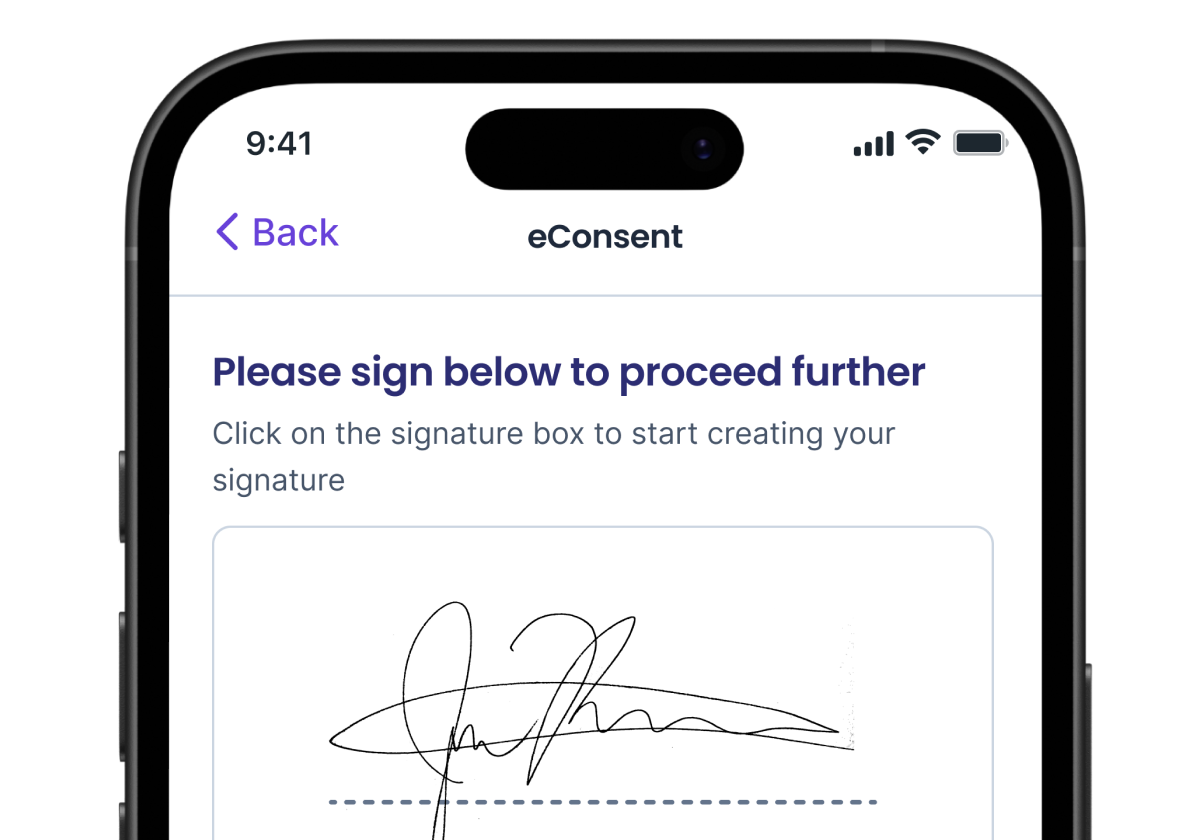


Bring heart failure check-ins, patient education and follow-up into one connected care pathway.
Share your weight, symptoms and how you feel between appointments. Your heart failure team reviews the updates as agreed and leads each next step.

 The WeGuide heart failure journey
Weight, breathlessness, swelling and energy can shift from one week to the next. Small changes are easy to miss when they only come up at your next appointment.
WeGuide brings regular check-ins, guidance and follow-up into one journey, so your care team sees the fuller picture and you can focus on living well with heart failure.
From your first appointment to everyday check-ins, keep the next step within reach.
Share your health history and current medicines before your appointment, and know what to expect.
Clear information about heart failure, your daily routine and the plan agreed with your care team.

Reminders for the weigh-ins, check-ins and appointments agreed with your heart failure team.
Keep guidance, check-ins and messages together, with support from your care team between visits.

Bring weight trends and symptom updates into a clearer conversation at your next review.

Bring the everyday signs together, so your care team can see how you are really doing.

A sudden rise in weight can be a sign of fluid building up. Your care team explains how often to weigh yourself.
Weigh yourself at the times agreed with your care team and record the result in the app.
Your heart failure team decides which changes they want to hear about. Severe breathlessness or chest pain needs local emergency services.

Breathlessness, swelling in your ankles or legs and tiredness can vary from day to day. Short check-ins capture the pattern.
Your care team chooses the check-ins, which may include validated heart failure questionnaires.
Changes you report are reviewed by your heart failure team as agreed, so they can decide next steps.

Heart failure care often involves several medicines. Reminders and simple check-ins help you follow the plan agreed with your clinician.
Short check-ins on the medicines and timings agreed with your care team, all in one place.
Note any side effects or concerns, so your clinician can review them and adjust the plan if needed.

Activity, eating habits, salt and fluids, and rest all shape how you feel. Start with the changes agreed with your care team.
Steps can sync from connected health apps and wearables, where available.
Agree on realistic goals for diet, activity and rest, with guidance you can come back to.
01 / 04
One connected journey, with your heart failure team guiding each step.
The changes that matter
Your team by your side
Practical steps for every day
Connected between your visits
For clinicians
Bring intake, scheduled weight and symptom check-ins, patient education and follow-up into one heart failure journey. You define what is collected, how often, and which changes your team reviews.

Answers about heart failure management, remote monitoring and using WeGuide in your practice.
Heart failure management is the ongoing care of a person living with heart failure, a condition in which the heart cannot pump blood around the body as well as it should. It combines medicines, lifestyle changes, regular monitoring and sometimes devices or procedures, led by a care team, to ease symptoms and help keep the condition stable.
It usually includes medicines agreed with a clinician, support with lifestyle changes such as activity, diet and reducing salt where advised, and regular review of symptoms and weight. Cardiac rehabilitation, vaccinations and, for some people, implanted devices or surgery may also be part of care. The plan depends on the type and stage of heart failure.
Diagnosis and follow-up combine a clinical review with tests such as blood tests for natriuretic peptides, an ECG and an echocardiogram, which shows how well the heart pumps. Between visits, care teams track symptoms and weight. Clinicians may describe symptom severity with the NYHA classification and use validated questionnaires such as the KCCQ or MLHFQ.
Everyone diagnosed with heart failure needs ongoing care, and the plan depends on the type and stage. Heart failure is more common with age and in people with conditions that strain the heart, such as high blood pressure, coronary heart disease or a previous heart attack. Anyone with possible symptoms, such as breathlessness or swelling, should get them checked.
No. A heart attack happens when blood flow to part of the heart muscle is suddenly blocked. Heart failure means the heart cannot pump blood around the body as well as it should, and it often develops over time. A heart attack can be one cause of heart failure. Despite its name, heart failure does not mean the heart has stopped working.
Parts of heart failure care can be supported remotely, including home weight records, symptom questionnaires, education, medicine check-ins and video or message follow-up where the care team agrees. Blood tests, echocardiograms, physical examinations and some reviews need an in-person appointment. The care team decides which steps suit remote follow-up.
With WeGuide, the care team configures scheduled check-ins for weight, symptoms and wellbeing, with reminders, patient education and connected app data such as activity where available. Your heart failure team reviews the updates as agreed. WeGuide does not triage emergencies, so severe difficulty breathing or chest pain needs urgent care through local emergency services.
The clinician and patient agree on a care plan, which may include medicines, lifestyle goals, cardiac rehabilitation and a follow-up schedule. Regular reviews help the care team see how symptoms change over time. WeGuide supports this ongoing journey with patient education, scheduled check-ins on symptoms and medicines, and relevant updates for the next review.
Contact WeGuide to discuss your heart failure care pathway, patient population and existing workflow. Together, we can identify the intake forms, patient education, check-in and follow-up schedule and any integrations needed to support your service. Your clinical team defines the monitoring protocol, which changes are reviewed and all care decisions.
WeGuide pricing depends on the scope of your care pathway, configuration, integrations and support requirements. Contact our team to discuss your service and request a proposal. Clinical consultation, testing and treatment fees are determined separately by the care provider.
Request patient access
Not all clinicians are using WeGuide yet. If yours isn't connected, share their practice details so we can discuss access to the heart failure management pathway with your care team.
Your heart failure team guides your care and decides which check-ins and next steps are right for you.