


Insulin Treatment Appraisal Scale (ITAS): Measuring Beliefs
The ITAS measures attitudes toward insulin therapy in people with Type 2 diabetes. This survey helps doctors identify barriers and support patients starting or managing their treatment.


Insulin Treatment Appraisal Scale (ITAS)
The Insulin Treatment Appraisal Scale (ITAS) is a 20-item questionnaire that measures attitudes towards insulin use. It helps clinicians identify psychological barriers and benefits perceived by patients with type 2 diabetes. This insight allows for better support and improved treatment adherence in diabetes care.
Category
Disease
Source
What is Insulin Treatment Appraisal Scale (ITAS)

The Insulin Treatment Appraisal Scale (ITAS) is a practical tool for checking how patients view insulin therapy. It spots potential treatment barriers quickly. This twenty-item questionnaire looks at both the upsides and downsides of insulin use. It measures psychological resistance that might stop someone from starting treatment. Patients rate statements on a five-point scale ranging from strongly disagree to strongly agree. The questions cover common worries like fear of needles, weight gain, and low blood sugar, alongside the benefits of better glucose control. Clinicians use this scale to kick off honest chats about fears. It is simple to score and helps match education to what the patient actually needs. By understanding these views, healthcare teams can improve adherence and help patients manage their diabetes with much more confidence down the track.
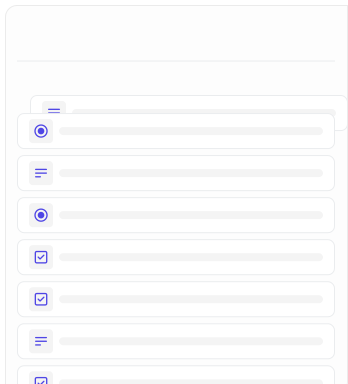
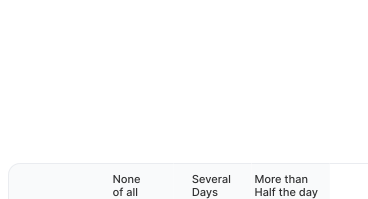
The Insulin Treatment Appraisal Scale (ITAS) can be scored using two main approaches: Total Score and Subscale Analysis. 1. Total Score: This method sums all 20 items rated on a five point Likert scale. You'll need to reverse score the four positive items first. The final number ranges from 20 to 100, where higher scores indicate a more negative attitude toward insulin therapy. 2. Subscale Analysis: This approach separates the 16 negative appraisal items from the four positive ones. It helps clinicians spot specific barriers like injection fear or weight gain, making it easier to address patient concerns directly.
Advantages

Develops personalised strategies based on assessment data.
.svg)
Promotes active participation in healthcare assessment.
.svg)
Provides consistent measurements for clinical research.
.svg)
Measures healthcare intervention results systematically.
.png)

Related Instruments

Digital counterpart
Digital biomarkers that measure the same thing with sensors rather than a questionnaire.
Streamline Insulin Treatment Appraisal Scale data collection with WeGuide
.jpg)

Support Your patient in no time - all under your own brand
Our platform combines the knowledge of 100+ digital health solutions built, letting you easily build your patient engagement app for research or clinical use. Collect PROMs, support patients on waiting lists, or gather vital signs data. This is how:
Learn More.png)
Program Builder
.png)
.png)
Whitelabelling
.svg)
.svg)
.png)
Turn on components, dependent on your usecase
.svg)
.png)
Support The Full Journey
.png)
.png)
%20(1).png)
.png)
It’s your turn
Every WeGuide project, saves researchers and clinicians - 9 months and $450,000 - creating impactful digital health solutions.
