


Bruce Treadmill Test (Protocol): Assessing Heart Function
This protocol helps doctors assess heart health by having patients walk on a treadmill. As speed and incline increase, it measures physical fitness and detects potential cardiac issues.

Bruce Treadmill Test (Protocol)
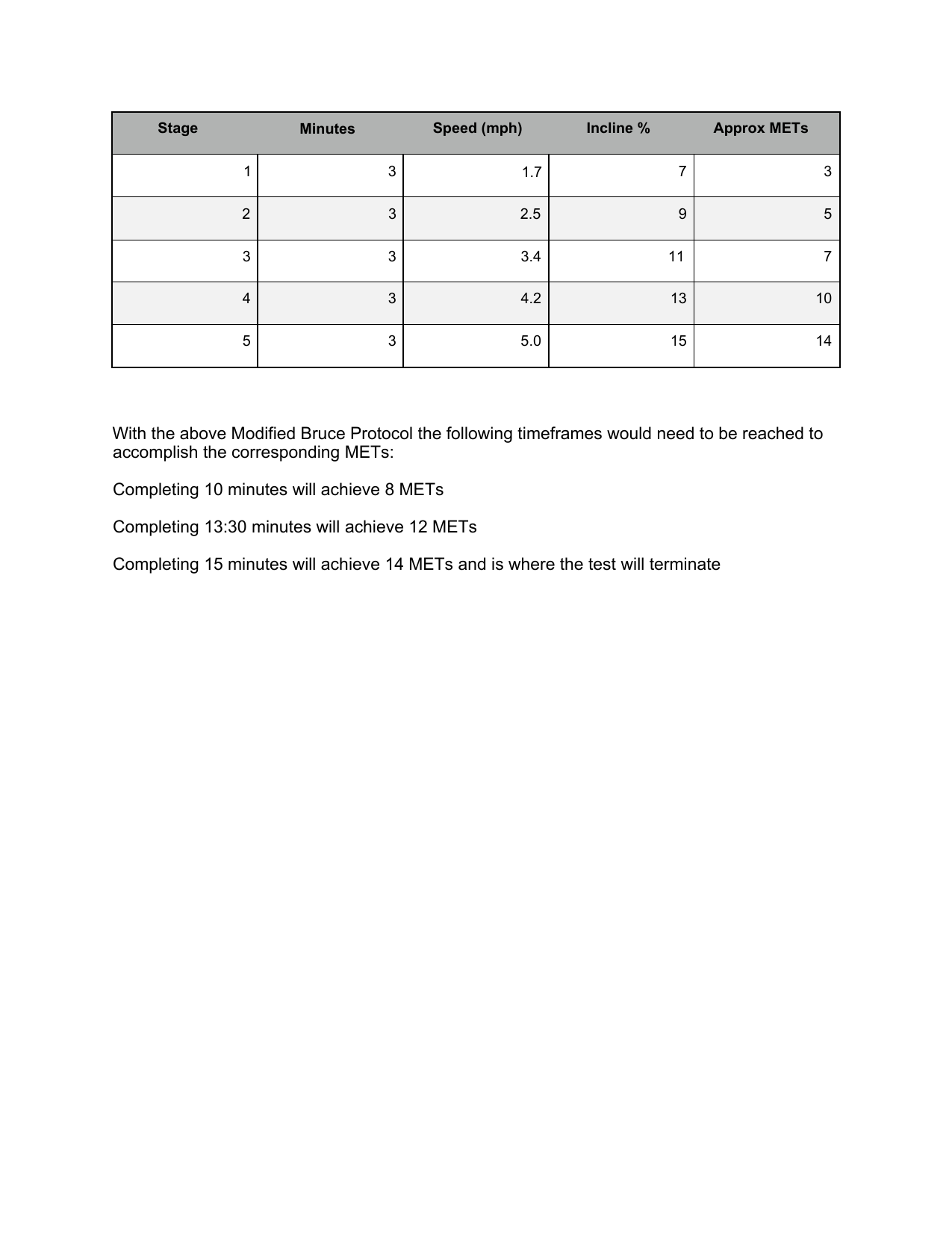
The Bruce Treadmill Test is a common exam for evaluating cardiac health and fitness. In this multistage protocol, patients walk on a treadmill as speed and incline rise every three minutes. It's essential for diagnosing coronary artery disease and checking how well the heart handles physical stress.
Category
Disease
Source
What is Bruce Treadmill Test (Protocol)

The Bruce Treadmill Test is a classic method for checking heart health and aerobic fitness. It helps doctors see how well the heart handles stress. This multistage exam involves walking on a treadmill while the speed and incline go up every three minutes. It pushes the body to maximal effort to spot hidden cardiac issues. Clinicians track heart rate, blood pressure, and perceived exertion throughout the stages. The protocol measures functional capacity using metabolic equivalents, or METs, to estimate VO2 max. The test stops when fatigue sets in or specific medical signs appear. Widely used in hospitals and sports clinics, this tool helps diagnose coronary artery disease and sets safe exercise limits. The setup is simple but tough, giving clear data on physical endurance. It is a reliable way to plan rehab or training programmes that improve long-term health outcomes.
The Bruce Treadmill Test can be scored using two main approaches: total duration and metabolic capacity. 1. Total Duration: This is the simplest metric where clinicians record the total minutes a patient stays on the treadmill. The protocol increases speed and incline every three minutes until the patient stops from fatigue. 2. Functional Capacity: Doctors use the total time to estimate VO2 max or Metabolic Equivalents (METs). Formulas convert the minutes into a value showing how well the heart uses oxygen. Higher scores indicate better cardiovascular health and endurance.

Advantages

Enables precise identification of patient health status.
.svg)
Meets international clinical assessment requirements.
.svg)
Tracks patient condition changes systematically.
.svg)
Provides consistent measurements for clinical research.
.png)

Related Instruments

Digital counterpart
Digital biomarkers that measure the same thing with sensors rather than a questionnaire.
Collect Bruce Treadmill Test data with WeGuide, the all-in-one patient platform
.jpg)

Support Your patient in no time - all under your own brand
Our platform combines the knowledge of 100+ digital health solutions built, letting you easily build your patient engagement app for research or clinical use. Collect PROMs, support patients on waiting lists, or gather vital signs data. This is how:
Learn More.png)
Program Builder
.png)
.png)
Whitelabelling
.svg)
.svg)
.png)
Turn on components, dependent on your usecase
.svg)
.png)
Support The Full Journey
.png)
.png)
%20(1).png)
.png)
It’s your turn
Every WeGuide project, saves researchers and clinicians - 9 months and $450,000 - creating impactful digital health solutions.
