
.webp)
Start with a conversation about you.
Connect with your clinician and share your health history, priorities and questions.
- Health history and family history
- A pathway that suits your circumstances
- Clear guidance on what comes next
Bring cardiovascular assessment and follow-up into one connected care pathway.
Collect health history, blood pressure readings and relevant test results. Give your patients clear guidance, with your care team leading each next step.

 The WeGuide heart health journey
Blood pressure, cholesterol and lifestyle each tell part of the story. Bringing them together helps your clinician understand what deserves attention.
WeGuide connects the assessment with clear guidance and follow-up, so you can move from understanding your risk to taking the next step for your heart health.
From the first conversation to your prevention plan, keep the next step within reach.
Bring your health information together and understand what to expect before your assessment.
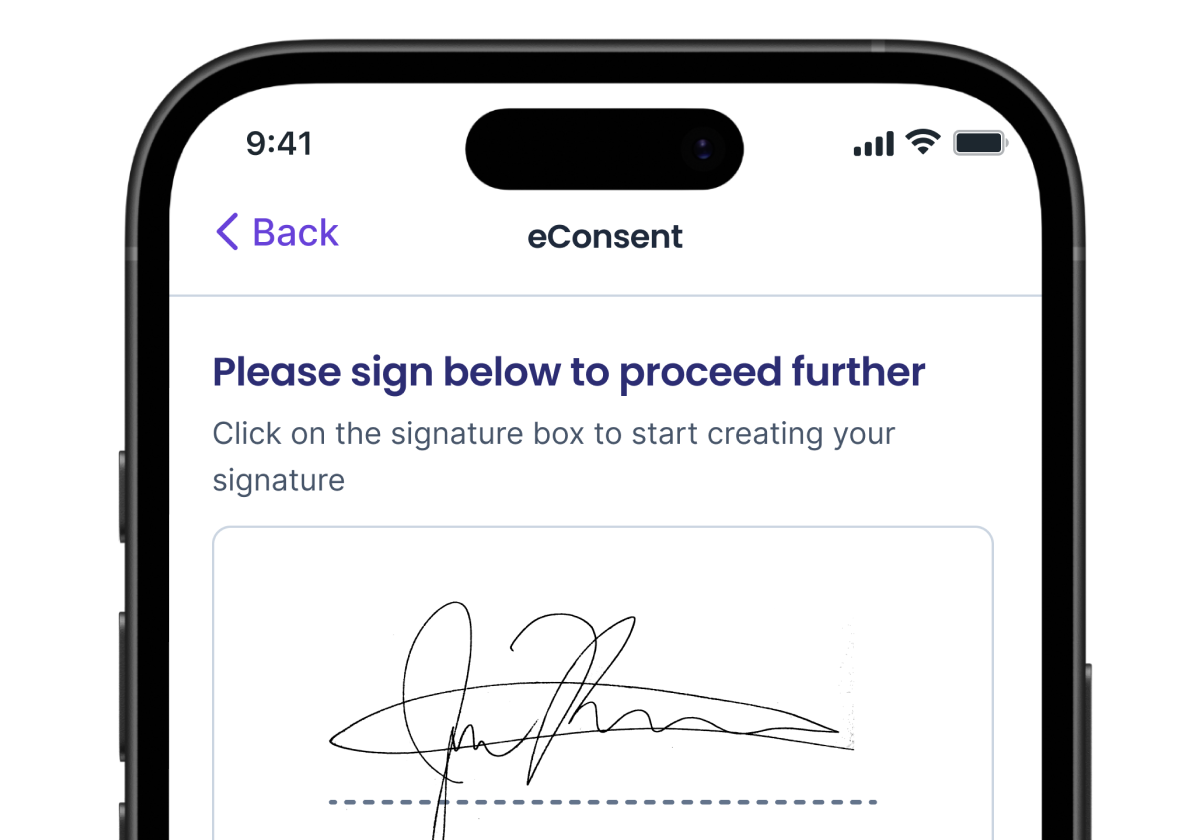
Clear information to help you understand your heart health and the steps agreed with your clinician.
.svg)
Reminders for the readings, check-ins and appointments agreed with your care team.
Your next check-in
Review your blood pressure readingsKeep guidance and check-ins together, with support between your appointments.

Bring relevant updates into a clearer conversation about your progress and next steps.

Bring the factors that matter together, for a cardiovascular assessment grounded in you.
Blood pressure check-in
Readings for your clinician to review
Relevant blood pressure readings help your clinician understand a key part of your cardiovascular health.
Your clinician explains which readings are needed and whether home measurement is suitable.
Readings are considered alongside your history and the rest of your assessment.
.webp)
Your clinician reviews relevant laboratory results alongside your other risk factors.
Your care team identifies any blood tests or additional checks needed.
Discuss what the findings mean for your heart health and your next steps.
.webp)
Activity, smoking and eating patterns are part of the bigger picture. Start with the changes that fit your life.
Share your habits, priorities and what feels realistic for you.
Agree on manageable steps with guidance from your clinician.
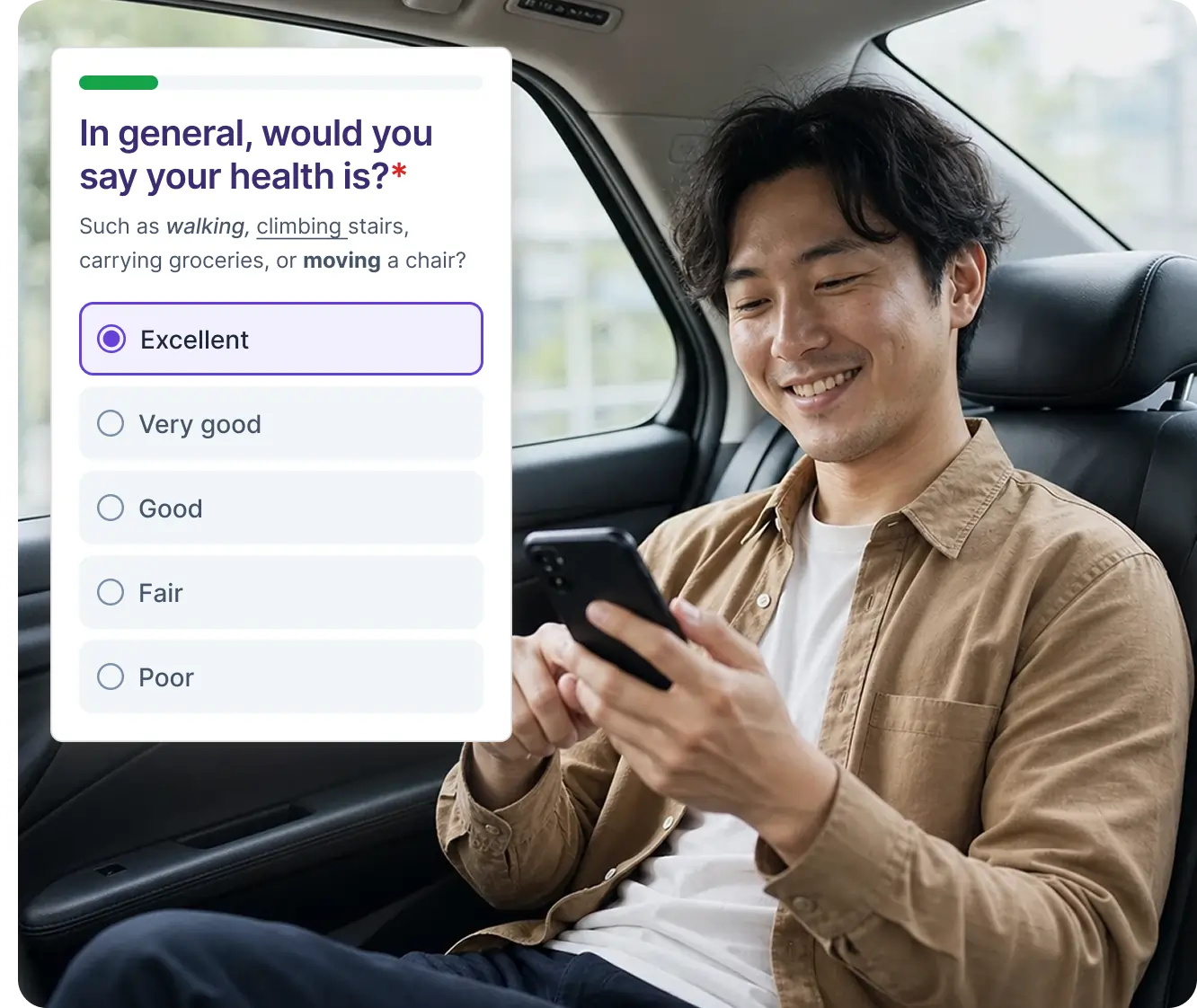
Your medical history, diabetes status and family history help your clinician personalise the assessment.
Bring relevant information together so the clinical conversation can focus on you.
Your clinician chooses the appropriate assessment method and interprets your results.
01 / 04
One connected journey, with your clinician guiding each step.
Connect with your clinician and share your health history, priorities and questions.
Bring together blood pressure readings and relevant test results. Your care team arranges any further checks.
Your clinician reviews the information and discusses your cardiovascular risk in the context of your health.
Agree on a prevention plan that reflects your needs, with clear information you can come back to.
Check-ins and relevant updates help you and your care team review progress and decide what comes next.
The information that matters
A clinician by your side
Practical next steps
Connected between visits
For clinicians
Bring intake, patient education and follow-up into one digital journey. Keep the assessment grounded in your clinical approach and the guidance relevant to your patients.

Answers about CVD risk assessment, remote care and using WeGuide in your practice.
A cardiovascular risk assessment estimates the likelihood of a future heart attack or stroke. It combines risk factors such as blood pressure, cholesterol, smoking and diabetes to help a clinician discuss prevention. A heart health check includes this assessment and a plan for follow-up.
A cardiovascular risk assessment usually includes health and family history, blood pressure, relevant cholesterol results, diabetes status and smoking history. Your clinician decides which measurements and tests are needed, reviews the findings and discusses a prevention plan.
Clinicians use a validated cardiovascular risk calculator that is appropriate for the patient and local guidance. It combines several risk factors to estimate risk over a defined period. The Australian CVD risk calculator estimates five-year risk. Clinical judgement remains essential when interpreting the result.
People with concerns about cardiovascular risk, including high blood pressure, high cholesterol, diabetes, smoking or a family history of heart disease, can discuss a heart health check with their clinician. Eligibility and timing depend on age, medical history and local guidance.
Parts of a cardiovascular assessment can be supported remotely, including health-history questionnaires, clinician-approved home readings, education and follow-up. Blood tests and some examinations require a local appointment. The care team decides which steps are suitable for remote completion.
Remote patient monitoring helps a care team collect agreed measurements and patient-reported updates between appointments. In a cardiovascular care pathway, these can support follow-up conversations and prevention goals. WeGuide brings scheduled questionnaires, reminders and patient education into the digital journey configured by the care team.
No. Cardiovascular risk assessment estimates the likelihood of future heart attacks or strokes. An ECG records the heart’s electrical activity. The two serve different purposes, and a clinician may arrange an ECG or other diagnostic tests separately when appropriate.
The clinician and patient agree on a prevention plan, which may include lifestyle goals, treatment discussions and repeat measurements. Follow-up helps the care team review progress. WeGuide supports this ongoing journey with patient guidance, scheduled check-ins and reminders.
Contact WeGuide to discuss your cardiovascular care pathway, patient population and existing workflow. Together, we can identify the intake forms, patient education, follow-up schedule and any integrations needed to support your service. Your clinical team defines the assessment protocol and care decisions.
WeGuide pricing depends on the scope of your care pathway, configuration, integrations and support requirements. Contact our team to discuss your service and request a proposal. Clinical consultation and testing fees are determined separately by the care provider.
Request patient access
Not all clinicians are using WeGuide yet. If yours isn’t connected, share their practice details so we can discuss access to the cardiovascular assessment pathway with your care team.
Your clinician guides the assessment and decides which checks and next steps are right for you.